New Client First Exam Only $28!


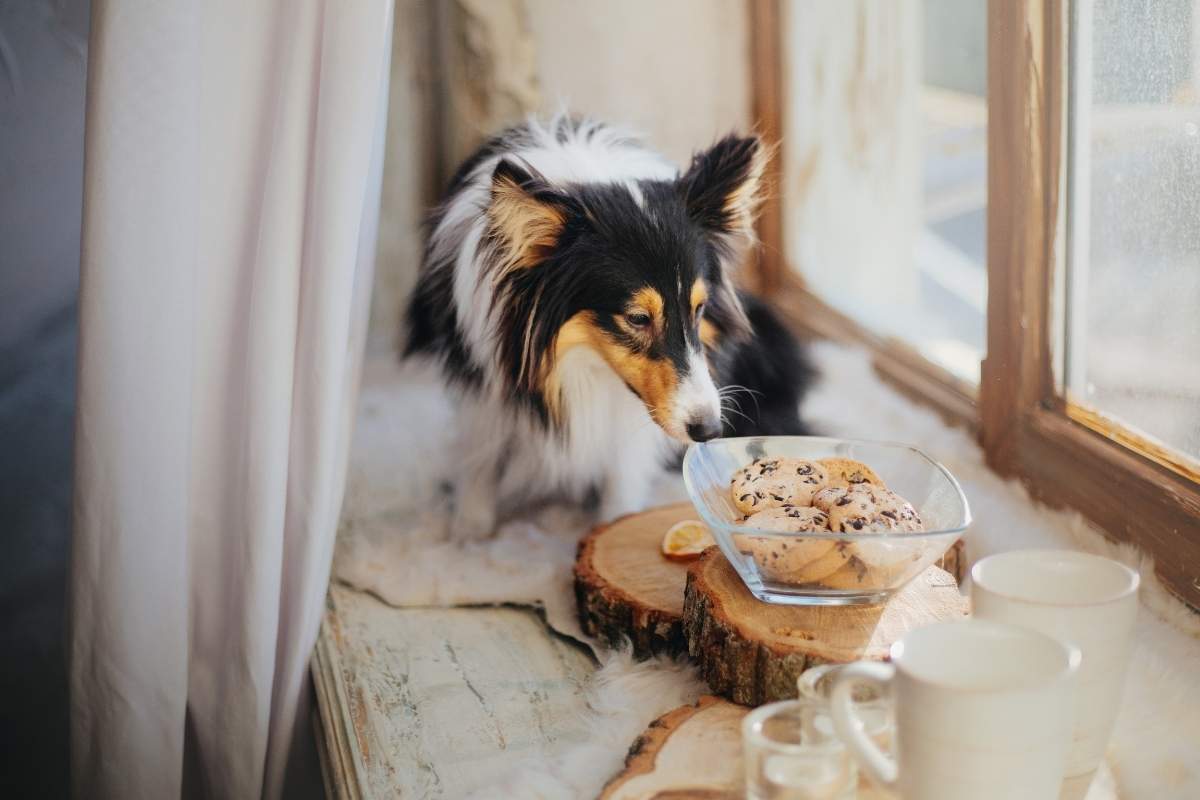
If your dog constantly scratches, licks their paws, or suffers from recurring ear infections, food allergies might be to blame. Many commercial dog treats contain hidden allergens such as wheat, soy, or chicken by-products that can trigger these uncomfortable symptoms.
Making your own homemade treats for dogs with allergies not only helps you control the ingredients but also ensures your furry friend enjoys every bite safely. With a few simple ingredients and easy-to-follow recipes, you can create healthy, allergy-friendly snacks right from your kitchen.
Common Food Allergies in Dogs
Understanding what causes allergic reactions is the first step to making safe treats. The most common culprits include:
- Wheat and gluten
- Dairy products
- Beef and chicken
- Soy and corn
- Artificial colors or preservatives
If your dog shows allergy symptoms, it’s important to consult your veterinarian for allergy testing before introducing new foods.
How to Choose Safe Ingredients
When preparing allergy-friendly dog treats, focus on simple, whole-food ingredients. Look for options that are:
- Grain-free: Use alternatives like oat flour, chickpea flour, or rice flour.
- Protein-limited: Try novel proteins like salmon, turkey, or lamb.
- Natural and preservative-free: Fresh fruits, vegetables, and lean meats are best.
- Digestive-friendly: Add ingredients like pumpkin or sweet potato for sensitive stomachs.
Tip: Always introduce new ingredients slowly and monitor for signs of itching, redness, or digestive upset.
3 Easy Homemade Treat Recipes for Dogs with Allergies
1. Pumpkin Oat Bites
Ingredients:
- 1 cup of oat flour (you can also blend rolled oats into a fine powder)
- ½ cup of unsweetened pumpkin puree
- 1 egg
Instructions:
Mix all ingredients in a bowl until dough forms. Roll into small balls and bake at 350°F for 15 minutes. Allow the treats to cool to room temperature before offering them to your dog.
Benefits: Pumpkin is gentle on digestion and oats are naturally gluten-free (check for certified gluten-free if needed).
2. Homemade Sweet Potato Chews
Ingredients:
- One large sweet potato, thinly sliced for baking, washed thoroughly
Instructions:
Slice the sweet potato into ¼-inch strips and bake at 250°F for 2–3 hours until chewy. Keep the finished treats in a sealed container to preserve their texture and flavor.
Benefits: Rich in fiber and beta-carotene, these treats are perfect for dogs with grain or protein allergies.
3. Coconut Banana Cookies
Ingredients:
- 1 ripe banana
- 1 cup of coconut flour
- 1 tablespoon of melted coconut oil
Instructions:
Mash the banana, mix with coconut oil, and gradually add coconut flour. Form small cookies and bake at 325°F for 20 minutes.
Benefits: Coconut flour is hypoallergenic and full of healthy fats that support skin and coat health.
How to Store Your Homemade Dog Treats
To maintain freshness, place the treats in sealed containers or jars with tight-fitting lids.
- Refrigerate: Lasts up to 7 days.
- For longer storage: place the treats in the freezer — they’ll stay fresh for up to three months.
Always label treats with the date made and ingredients used—especially helpful if your dog has multiple allergies.
Making homemade treats for dogs with allergies is an easy, rewarding way to care for your pet’s health. By using wholesome ingredients and avoiding common allergens, you can ensure your furry friend enjoys safe, nutritious snacks.
Pet owners in Friendswood, TX, searching for a “vet near me” for their dogs with persistent allergy symptoms can find professional guidance to identify triggers, address underlying conditions, and develop a customized nutrition plan.
FAQs
Q1. What are the best flours for allergy-friendly dog treats?
Ans. Oat, rice, and coconut flours are excellent choices for dogs sensitive to wheat or gluten. They’re gentle on digestion and easy to bake with.
Q2. Can I use peanut butter in allergy-safe treats?
Ans. Yes, but choose unsalted, xylitol-free peanut butter. Avoid brands with added sugars or oils.
Q3. Are eggs safe for dogs with allergies?
Ans. Some dogs are allergic to eggs, so always test in small amounts or use substitutes like mashed banana or applesauce.
Q4. How can I tell if my dog has a food allergy?
Ans. Watch for signs like excessive scratching, paw licking, diarrhea, or ear infections. A vet can confirm allergies through testing.
5. Can homemade treats replace regular dog food?
Ans. No, treats should only complement a balanced diet. They should make up no more than 10% of your dog’s daily calories.
6. How often can I give homemade treats?
Ans. You can offer them a few times per day, depending on your dog’s size and calorie needs. Always adjust based on your dog’s weight and activity level.