New Client First Exam Only $28!


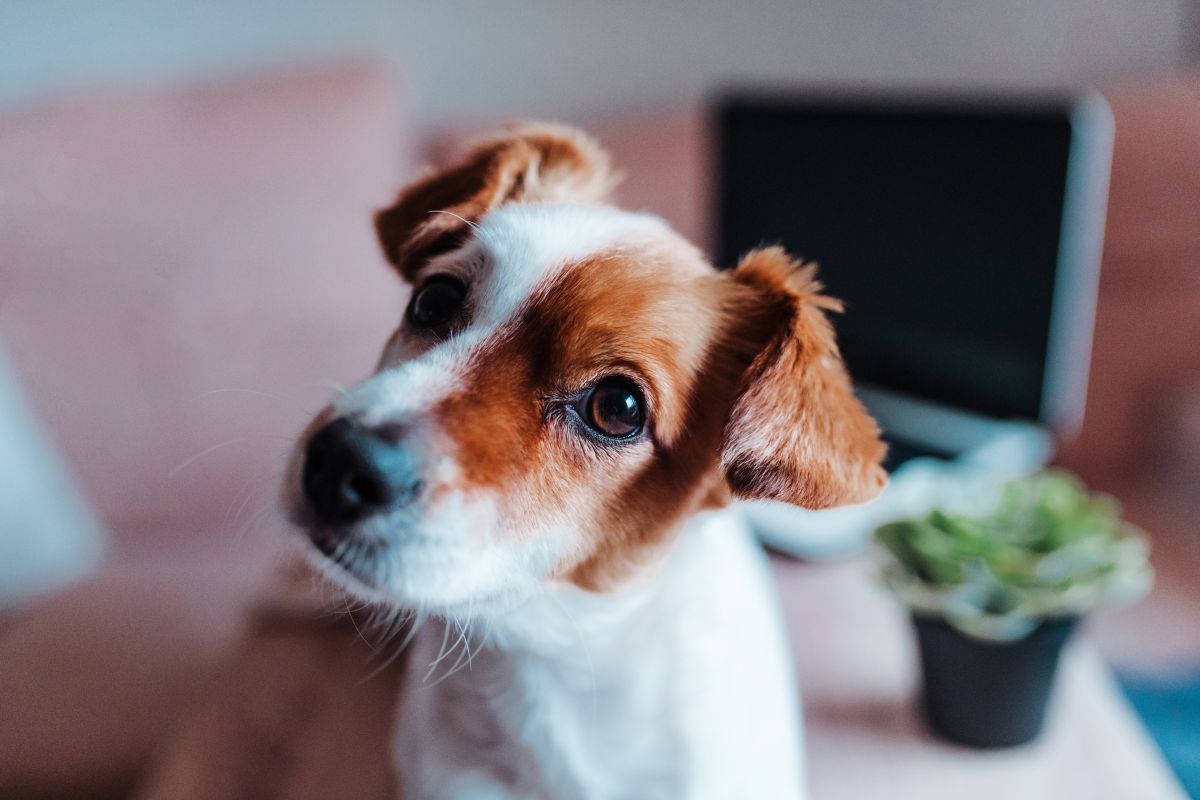
Eye discharge is a common concern for pet owners, but not every type of discharge means the same thing. A small amount of clear moisture around your dog’s or cat’s eyes may be normal. However, changes in color, consistency, frequency, or the appearance of the eye itself can signal an underlying problem.
Knowing what normal eye discharge looks like can help you recognize when your pet needs professional attention. Conditions such as allergies, irritation, infections, blocked tear ducts, dry eye, injuries, and other eye disorders can cause discharge. Some problems may worsen quickly if they are not addressed.
For pet owners seeking reliable veterinary care in Friendswood, understanding the warning signs can make it easier to respond appropriately. Regular observation and timely veterinary evaluation can help protect your pet’s comfort and eye health.
What Is Normal Eye Discharge in Dogs and Cats?
Healthy pets naturally produce tears to keep the surface of their eyes lubricated and protected. Tears drain through small ducts near the inner corners of the eyes. Because of this normal process, you may occasionally notice a small amount of moisture or light-colored debris around your pet’s eyes.
Clear or slightly watery discharge is often less concerning when it occurs occasionally and there are no other symptoms. Some pets may also develop small amounts of crust around the corners of their eyes after sleeping.
However, normal discharge should not be confused with persistent or excessive discharge. If you notice that your pet’s eyes are consistently watery, sticky, cloudy, red, swollen, or uncomfortable, it may be time to consult a veterinarian.
Common Types of Pet Eye Discharge and What They May Mean
The appearance of eye discharge can provide useful clues about what may be happening. While discharge alone cannot confirm a diagnosis, certain patterns deserve closer attention.
Clear and Watery Eye Discharge
Clear discharge may occur because of mild irritation, dust, environmental allergens, or temporary exposure to wind. Some pets naturally have more noticeable tearing than others.
Watery eyes can also occur when something is irritating the surface of the eye. If the tearing continues or affects only one eye, a veterinary examination may be appropriate.
White or Slightly Cloudy Discharge
A small amount of whitish discharge may develop from normal tear production and accumulated debris. However, larger amounts of sticky or recurring discharge can indicate irritation, inflammation, or another eye condition.
If the discharge is accompanied by redness, frequent blinking, or rubbing at the face, your pet should be evaluated.
Yellow or Green Eye Discharge
Yellow or green discharge is generally more concerning, particularly when it is thick or persistent. It may occur with inflammation or infection and should not simply be ignored.
Pets with this type of discharge may also have red eyes, swollen eyelids, excessive tearing, or discomfort. A veterinarian can determine the underlying cause and recommend appropriate treatment.
Brown or Reddish Tear Staining
Brown staining around the eyes is common in some pets, particularly those with lighter-colored fur. Tear staining can develop when tears repeatedly remain on the hair around the eyes.
Although staining itself is not always a medical problem, persistent excessive tearing can have an underlying cause. Your veterinarian can help determine whether the staining is primarily cosmetic or related to an eye or tear-drainage issue.
When Should You Worry About Your Pet’s Eye Discharge?
Knowing the warning signs can help you determine when professional veterinary care is needed. Eye problems can sometimes progress rapidly, so changes should be taken seriously.
Contact a veterinarian if your pet has:
- Thick yellow, green, or persistent discharge
- Significant redness around or within the eye
- Swollen eyelids
- Frequent squinting or blinking
- Pawing or rubbing at the eye
- Sensitivity to light
- A cloudy or bluish appearance of the eye
- One eye that suddenly looks different from the other
- Excessive or persistent tearing
- Visible injury around the eye
- Difficulty opening the eye
- Changes in vision or behavior associated with eye discomfort
A pet that repeatedly rubs its eye may accidentally cause additional damage. For this reason, persistent eye irritation should not be dismissed as a minor issue.
Common Causes of Eye Discharge in Pets
Several conditions can contribute to abnormal eye discharge. Some are relatively mild, while others require prompt treatment.
Allergies and Environmental Irritants
Dust, pollen, grass, smoke, and other environmental factors can irritate the eyes. Allergies may cause watery discharge, redness, and increased rubbing or blinking.
If your pet experiences recurring symptoms during particular seasons or after exposure to certain environments, discuss these patterns with your veterinarian.
Conjunctival Inflammation
The conjunctiva is the tissue surrounding the eye and lining the inside of the eyelids. Inflammation in this tissue can result in redness, swelling, discharge, and discomfort.
Different factors can contribute to conjunctival inflammation, so veterinary evaluation is important for identifying the appropriate treatment.
Foreign Objects or Eye Irritation
Small particles such as dirt, plant material, or debris can become trapped around the eye. Even a tiny foreign object may cause substantial irritation.
Signs may include sudden tearing, squinting, pawing at the face, or keeping one eye partially closed. A veterinarian should examine the eye if symptoms persist or appear severe.
Tear Duct Problems
Tears normally drain through small channels near the inner corners of the eyes. If these drainage pathways become blocked or do not function properly, tears may overflow onto the surrounding fur.
Persistent tearing and staining can sometimes be associated with tear-drainage problems. Your veterinarian can assess whether further evaluation is necessary.
Dry Eye
Dry eye occurs when the eyes do not produce enough tears to remain adequately lubricated. Pets with dry eye may develop thick discharge, redness, irritation, and discomfort.
Because untreated dry eye can affect the health of the eye surface, professional evaluation is important when these symptoms occur.
Eye Injuries
Scratches, trauma, or other injuries can cause tearing, redness, discharge, and sensitivity. Eye injuries deserve particular attention because damage to the eye surface can become more serious without appropriate care.
If you suspect your pet has injured an eye, avoid attempting to diagnose or treat the injury at home.
How a Veterinarian Evaluates Eye Discharge
When your pet is examined for abnormal eye discharge, the veterinarian will typically begin with a detailed physical and eye examination. They may evaluate the eyelids, surrounding tissues, eye surface, pupils, and tear production.
Depending on the symptoms, additional diagnostic tests may be recommended. These tests can help identify problems involving the cornea, tear production, drainage system, or other structures of the eye.
A proper diagnosis matters because similar symptoms can result from very different conditions. Treatment that is appropriate for one eye problem may not be appropriate for another.
For pet owners searching for a vet near you, choosing a veterinary team that can evaluate changes in your pet’s eye health provides an important resource when concerns arise.
What You Can Do at Home for Mild Eye Discharge
If your pet has a small amount of occasional discharge and otherwise appears comfortable, you can gently clean the area around the eye using a clean, damp cloth. Use a fresh section of the cloth for each eye to reduce the chance of spreading irritation or contaminants.
Avoid using human eye drops, leftover medications, or products recommended for another pet unless your veterinarian specifically advises you to do so. Different eye conditions require different treatments, and inappropriate products may make some problems worse.
You should also monitor whether the discharge returns, changes color, increases in amount, or occurs alongside other symptoms.
If your pet appears uncomfortable or the discharge persists, professional evaluation is a safer approach than continued home treatment.
Why Local Veterinary Care Matters for Pet Eye Problems
Eye concerns can be stressful because pets cannot explain what they are experiencing. Having access to a trusted animal hospital in Friendswood gives pet owners a convenient resource when changes in eye health appear.
A local veterinary team can examine the eye, identify potential causes, and determine whether your pet needs treatment or additional diagnostic testing. Early evaluation may also help prevent a manageable problem from becoming more complicated.
Pet owners should pay attention to changes rather than relying only on the amount of discharge. A small amount of discharge accompanied by squinting or redness may be more concerning than a larger amount of harmless tear staining.
How to Help Protect Your Pet’s Eye Health
You can support your pet’s eye health by making observation part of your regular care routine. Look at your pet’s eyes periodically and become familiar with what is normal for them.
Keep hair around the eyes appropriately groomed when recommended for your pet’s breed and coat type. Reduce exposure to known irritants when possible, and discourage your pet from rubbing or scratching at irritated eyes.
Routine veterinary examinations also provide opportunities to identify subtle changes before they become more noticeable. If you observe persistent discharge or other eye-related symptoms between visits, do not wait for the next routine checkup to ask about them.
When to Schedule Veterinary Care for Eye Discharge
Not every case of eye discharge requires immediate attention, but persistent or changing symptoms should be evaluated. Prompt veterinary care is especially important when discharge is thick, colored, or accompanied by pain, redness, swelling, squinting, cloudiness, or behavioral changes.
If you are concerned about your pet’s eyes, schedule for an appointment with a veterinary professional who can assess the symptoms and determine the appropriate next steps.
Early attention can help identify underlying conditions and support your pet’s comfort and overall well-being.
Conclusion: Take Changes in Eye Discharge Seriously
Eye discharge can range from a normal buildup of tear debris to a sign of irritation, inflammation, injury, or another medical condition. Paying attention to color, consistency, frequency, and accompanying symptoms can help you recognize when your pet needs professional care.
When symptoms persist or your pet appears uncomfortable, veterinary evaluation is the best way to understand what is happening. Pet owners looking for dependable veterinary support can turn to Parkwood Animal Hospital & Boarding for professional care focused on their pet’s health and comfort.
Frequently Asked Questions
1. Is eye discharge normal in dogs and cats?
Ans: A small amount of clear or slightly crusty discharge can be normal. Persistent, thick, colored, or excessive discharge may indicate an underlying problem and should be evaluated by a veterinarian.
2. Why does my pet have yellow or green eye discharge?
Ans: Yellow or green discharge can occur with inflammation or infection. Because several eye conditions can produce similar symptoms, a veterinary examination is recommended rather than assuming the cause.
3. Can I use human eye drops for my pet?
Ans: You should not use human eye drops unless your veterinarian specifically recommends them. Some products may be inappropriate for pets or may interfere with proper treatment.
4. Why is my dog constantly rubbing its eye?
Ans: Rubbing can indicate irritation, discomfort, allergies, a foreign object, injury, or another eye problem. Persistent rubbing can potentially cause additional damage, so veterinary evaluation is advisable.
5. When should I be concerned about watery eyes?
Ans: Occasional tearing may be harmless, but persistent watery eyes, especially when accompanied by redness, squinting, swelling, cloudiness, or behavioral changes, warrant veterinary attention.
6. Can eye discharge cause permanent eye problems?
Ans: Some underlying eye conditions can become more serious when treatment is delayed. Prompt evaluation of persistent or painful symptoms can help identify problems early and protect your pet’s eye health.