New Client First Exam Only $28!


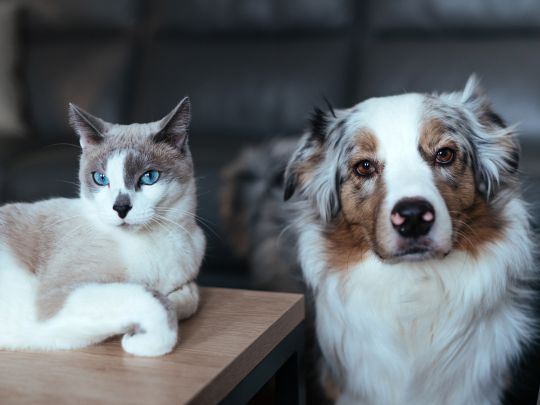
Seasonal temperature changes can affect pets in ways that are easy to overlook. Dogs and cats may respond differently to heat, cold, humidity, and changes in daily routines. Their age, breed, coat type, size, health, and activity level can all influence how well they handle changing weather. Understanding these effects can help pet owners make thoughtful adjustments throughout the year and support their companions’ comfort and well-being.
How Temperature Changes Affect Pets in Friendswood
For pet owners looking for guidance from a vet in Friendswood, understanding how weather affects a pet is an important part of everyday care. Dogs and cats do not always show obvious signs when they are uncomfortable in changing temperatures. Some may become less active, while others may change their eating, sleeping, or grooming habits.
Pets with thick coats may have more difficulty staying comfortable in hot weather, while very young, senior, small, or short-haired pets may be more sensitive to cooler temperatures. Existing health conditions can also affect how a pet responds to environmental changes.
Keeping track of your pet’s behavior as temperatures change can help you identify when adjustments to their routine may be appropriate.
How Hot Weather Can Affect Dogs and Cats
Warm weather can increase the risk of overheating, particularly when pets spend extended periods outdoors. Dogs generally regulate body temperature primarily through panting, while cats may rely more heavily on grooming and seeking cooler areas.
During hot weather, pet owners can help by providing:
- Fresh, clean drinking water throughout the day
- A shaded, well-ventilated resting area
- Opportunities to stay indoors during the hottest part of the day
- Shorter outdoor activities when temperatures are high
- Regular access to cool, comfortable surfaces
Exercise routines may also need to change during warmer months. Early morning or evening walks can be more comfortable than outdoor activity during the hottest part of the afternoon. Cats that normally spend time outside may also benefit from additional indoor time.
How Cold Weather Can Affect Dogs and Cats
Cold temperatures can be challenging for pets, especially those with short coats, smaller body sizes, or lower body fat. Senior pets may also be less comfortable in cold conditions because changes in mobility and circulation can make it harder for them to maintain body warmth.
Watch for behaviors such as shivering, reluctance to move, curling up more than usual, or repeatedly seeking warm areas. Providing a comfortable indoor resting space, warm bedding, and appropriate outdoor exposure can help pets remain comfortable.
Dogs that spend time outside should have access to a dry, protected area. Cats should also have a warm place to retreat from cold weather, particularly if they regularly go outdoors.
Seasonal Changes and Pet Preventive Care
Temperature changes can influence more than comfort. Seasonal shifts can affect activity levels, hydration, skin condition, allergies, parasites, and daily routines. This makes pet preventive care an important part of maintaining your pet’s overall health throughout the year.
A seasonal wellness routine may include monitoring your pet’s:
- Weight and body condition
- Water consumption
- Appetite
- Skin and coat
- Energy and activity level
- Bathroom habits
- Sleeping patterns
- Behavior and mobility
Regular veterinary visits can provide an opportunity to discuss changes you notice at home. A veterinarian can evaluate your pet’s overall condition and help determine whether changes in diet, exercise, grooming, environmental management, or other aspects of daily care may be appropriate.
Seasonal Exercise Tips for Dogs and Cats
Changes in temperature often require changes in exercise. Maintaining regular physical activity is important, but the intensity and timing may need to be adjusted according to weather conditions.
During warmer months, choose cooler times of day for walks and outdoor play. Make sure your dog has access to water and take breaks when needed. Cats can stay active indoors with interactive toys, climbing structures, scratching posts, and supervised play sessions.
During cooler months, shorter outdoor sessions may be appropriate for pets that are sensitive to cold. Indoor games can help maintain physical activity when outdoor conditions are uncomfortable.
Pet owners who are unsure about an appropriate exercise routine can discuss their pet’s age, breed, weight, and health history with a veterinarian in Friendswood.
When to Contact a Vet Near You About Seasonal Changes
Some changes in your pet’s behavior may simply reflect a change in weather, but persistent or unusual changes deserve attention. Pet owners should pay attention to changes that continue after temperatures return to normal or that interfere with eating, drinking, sleeping, movement, or normal daily activities.
A vet near you can help determine whether a seasonal change is likely to be environmental or whether another health concern may be contributing to your pet’s symptoms. Keeping notes about when the changes began, how often they occur, and whether they correspond with temperature changes can also provide useful information during a veterinary visit.
Helping Your Pet Adjust to Every Season
The best way to help a pet handle seasonal temperature changes is to pay attention to their individual needs. Avoid assuming that every dog or cat responds to weather in the same way. Breed, coat, age, size, lifestyle, and overall health can all influence temperature tolerance.
Simple steps such as providing appropriate shelter, maintaining hydration, adjusting exercise schedules, monitoring behavior, and keeping regular veterinary appointments can make seasonal transitions easier.
For pet owners in the area, Parkwood Animal Hospital & Boarding provides veterinary care for pets and families in Friendswood and surrounding communities. The practice offers wellness and preventive services designed to support pets’ ongoing health. If you have questions about how changing temperatures may affect your pet, schedule an appointment with our animal hospital to discuss your pet’s individual needs with a veterinary professional.
FAQs
1. Do dogs and cats feel temperature changes differently?
Ans: Yes. Dogs and cats can respond differently depending on their breed, coat, size, age, activity level, and overall health. Individual pets may also have different temperature preferences and tolerance levels.
2. How can I keep my pet comfortable during hot weather?
Ans: Provide fresh water, shade, good ventilation, and access to a cool indoor area. Consider moving walks and outdoor activities to cooler parts of the day.
3. Are some pets more sensitive to cold temperatures?
Ans: Yes. Puppies, kittens, senior pets, small pets, and animals with short or thin coats may be more sensitive to cold. Pets with certain health conditions may also have different temperature needs.
4. Should I change my pet’s exercise routine with the seasons?
Ans: Possibly. Hot or cold weather may require adjustments to the timing, duration, and intensity of exercise. Indoor activities can be useful when outdoor conditions are uncomfortable.
5. Can seasonal changes affect my pet’s appetite or activity?
Ans: They can. Changes in temperature and daily routines may influence activity levels, sleeping patterns, and other behaviors. Persistent or significant changes should be discussed with a veterinarian.
6. When should I speak with a veterinarian about seasonal changes?
Ans: Contact a veterinarian if your pet experiences persistent changes in behavior, appetite, hydration, activity, mobility, or other normal habits. A veterinary evaluation can help determine the underlying cause and appropriate next steps.