New Client First Exam Only $28!



Pets thrive on consistency. Whether you have a playful puppy, an energetic adult dog, or a relaxed senior cat, establishing a healthy daily routine can greatly improve your pet’s physical health, emotional well-being, and overall happiness. A balanced routine provides structure, reduces stress, encourages healthy habits, and helps pet owners identify potential health concerns early.
We believe that a strong daily routine is one of the most important parts of pet preventive care. From nutrition and exercise to wellness exams and mental stimulation, every aspect of your pet’s day contributes to their quality of life.
Why Daily Routines Matter for Pets
Animals naturally feel more secure when they know what to expect. Regular feeding times, walks, play sessions, and bedtime routines help reduce anxiety and support healthy behavior patterns.
A structured routine can help:
- Maintain a healthy weight
- Improve digestion
- Encourage better sleep
- Reduce stress and destructive behaviors
- Strengthen the bond between pets and owners
- Support long-term physical and mental health
Consistent schedules are especially beneficial for puppies, kittens, senior pets, and animals with medical conditions.
Start the Day With Healthy Nutrition
Nutrition is the foundation of your pet’s health. Feeding your pet high-quality food at consistent times each day helps regulate digestion and energy levels.
Tips for Creating a Healthy Feeding Routine
- Feed portion-controlled meals based on your veterinarian’s recommendations
- Keep fresh water available throughout the day
- Avoid excessive treats or table scraps
- Use slow feeders or puzzle bowls for pets that eat too quickly
- Monitor appetite changes that may indicate health concerns
Every pet has unique dietary needs based on age, breed, activity level, and health status. Routine veterinary visits can help ensure your pet’s nutrition plan supports lifelong wellness.
Make Exercise Part of Everyday Life
Daily exercise is essential for maintaining a healthy weight, supporting joint health, and preventing boredom. Physical activity also reduces stress and helps manage behavioral issues such as chewing, barking, or scratching.
Ideas for Dogs
- Morning and evening walks
- Interactive fetch games
- Agility activities
- Swimming
- Outdoor playtime
Ideas for Cats
- Laser pointer play sessions
- Climbing towers
- Interactive toys
- Window perches for enrichment
- Short play breaks throughout the day
Exercise requirements vary depending on breed, age, and overall health. Puppies and highly active breeds may require more stimulation, while senior pets may benefit from shorter, low-impact activities.
Prioritize Mental Stimulation
Mental enrichment is just as important as physical exercise. Pets can become bored, anxious, or destructive when they lack stimulation.
Ways to Support Mental Health
- Rotate toys regularly
- Introduce puzzle feeders
- Teach new commands and tricks
- Offer scent games or hide-and-seek activities
- Schedule social interaction with family members or other pets
Mental stimulation keeps pets engaged and helps improve cognitive function as they age.
Build Healthy Grooming Habits
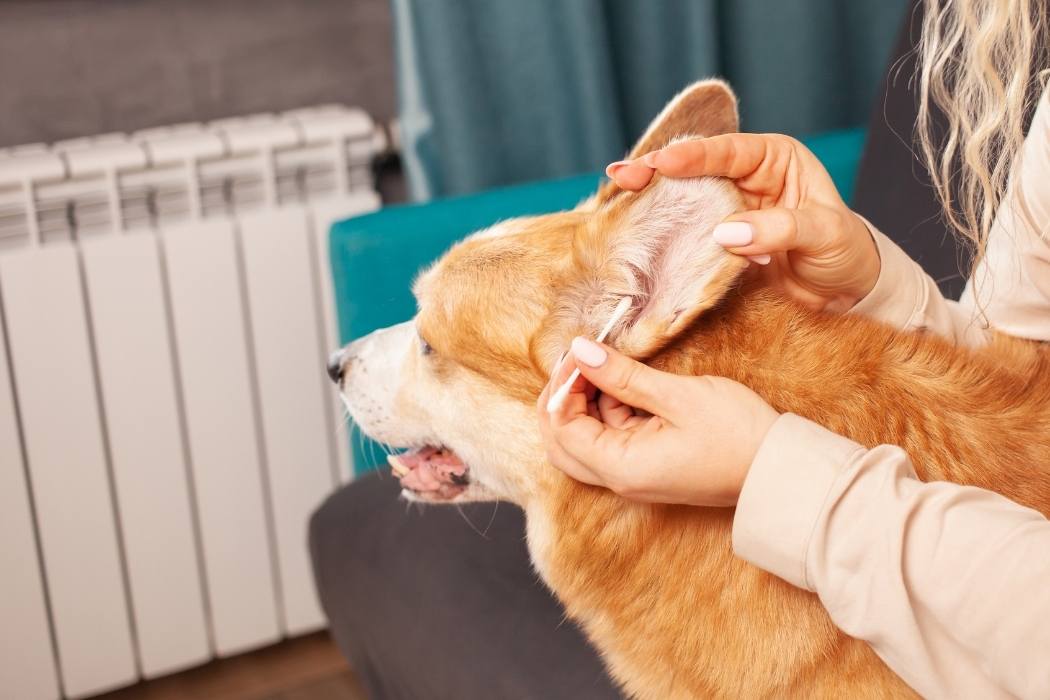
Routine grooming supports skin health, reduces shedding, and helps pet owners identify abnormalities such as lumps, rashes, parasites, or ear infections.
Daily or Weekly Grooming Tasks
- Brushing the coat
- Cleaning ears
- Checking paws and nails
- Brushing teeth
- Inspecting skin and fur
Dental care is particularly important. Poor oral hygiene can contribute to bad breath, gum disease, and other health complications. Daily brushing or veterinarian-approved dental products can help maintain oral health between professional cleanings.
Don’t Overlook Preventive Veterinary Care
Even healthy-looking pets need regular veterinary checkups. Preventive care helps identify health problems before they become serious and costly to treat.
Routine wellness visits may include:
- Physical examinations
- Vaccinations
- Parasite prevention
- Bloodwork and diagnostic testing
- Dental evaluations
- Weight and nutrition assessments
Consistent pet preventive care helps pets live longer, healthier lives while giving pet owners peace of mind.
If your pet is due for a wellness exam, vaccination, or health screening, it’s important to schedule an appointment with a trusted veterinary team.
Create a Comfortable Resting Schedule
Pets need adequate rest to recharge physically and mentally. Adult dogs may sleep 12 to 14 hours daily, while cats often sleep even longer.
Tips for Better Rest
- Provide a quiet sleeping area
- Maintain consistent bedtime routines
- Avoid excessive nighttime stimulation
- Use supportive bedding for senior pets
Changes in sleeping habits can sometimes indicate pain, anxiety, or illness, so monitoring your pet’s routine is important.
Monitor Bathroom and Behavioral Habits
Paying attention to your pet’s normal behaviors can help detect early signs of health issues.
Watch for:
- Changes in appetite or thirst
- Vomiting or diarrhea
- Difficulty urinating
- Sudden lethargy
- Increased aggression or anxiety
- Excessive scratching or licking
Pets often hide signs of illness until conditions become advanced. Monitoring daily habits allows owners to notice subtle changes early and seek veterinary care promptly.
Socialization Supports Emotional Well-Being
Social interaction helps pets feel secure and confident. Dogs benefit from walks, family interaction, and supervised playtime with other dogs. Cats also enjoy positive engagement and quiet companionship.
Healthy socialization can:
- Reduce separation anxiety
- Improve confidence
- Encourage positive behaviors
- Strengthen the human-animal bond
Pets that receive regular attention and affection are often happier and more emotionally balanced.
Adjust Routines as Pets Age
A pet’s daily routine should evolve over time. Puppies and kittens need more frequent meals, training, and bathroom breaks, while senior pets may require gentler exercise and additional medical monitoring.
Senior Pet Routine Tips
- Schedule more frequent wellness exams
- Use orthopedic bedding
- Monitor mobility changes
- Offer joint-supportive exercise
- Maintain consistent medication schedules
Routine veterinary care becomes increasingly important as pets age because many age-related conditions develop gradually.
Why Choose Our Animal Hospital
Choosing the right veterinary team is an important part of your pet’s health journey. At Parkwood Animal Hospital & Boarding, we are committed to providing compassionate, comprehensive veterinary care for pets at every stage of life.
Why pet owners trust our team:
- Experienced and caring veterinary professionals
- Personalized wellness and treatment plans
- Comprehensive pet preventive care services
- Advanced diagnostic capabilities
- Comfortable boarding services
- Focus on long-term health and client education
As a trusted animal hospital Friendswood pet owners rely on, we strive to help families create healthy routines that support lifelong wellness for their pets.
The Connection Between Routine and Long-Term Health
Healthy routines do more than simplify daily life, they directly impact your pet’s physical and emotional health. Consistency helps prevent obesity, anxiety, dental disease, and many chronic conditions while supporting stronger relationships between pets and their families.
By combining healthy habits at home with routine veterinary care, pet owners can give their companions the best chance at a long, happy life.
Whether your pet needs a wellness exam, nutritional guidance, preventive testing, or behavioral support, the team at Parkwood Animal Hospital & Boarding is here to help. Schedule an appointment today to support your pet’s health and happiness with personalized veterinary care.
FAQs
1. Why is a daily routine important for pets?
A daily routine provides consistency, reduces stress, supports healthy behaviors, and helps pets feel secure and comfortable.
2. How much exercise does my pet need each day?
Exercise needs vary based on age, breed, and health. Most dogs benefit from daily walks and playtime, while cats need regular interactive activity indoors.
3. What is included in pet preventive care?
Pet preventive care may include wellness exams, vaccinations, parasite prevention, dental care, diagnostic testing, and nutritional guidance.
4. How often should my pet visit the veterinarian?
Most pets should have a wellness exam at least once a year. Senior pets or pets with medical conditions may need more frequent visits.
5. Can changes in routine indicate health problems?
Yes. Changes in appetite, sleep, bathroom habits, or behavior may signal underlying health concerns and should be evaluated by a veterinarian.
6. How can I improve my pet’s mental stimulation?
Interactive toys, puzzle feeders, training exercises, social interaction, and play sessions can all help keep pets mentally engaged.