New Client First Exam Only $28!


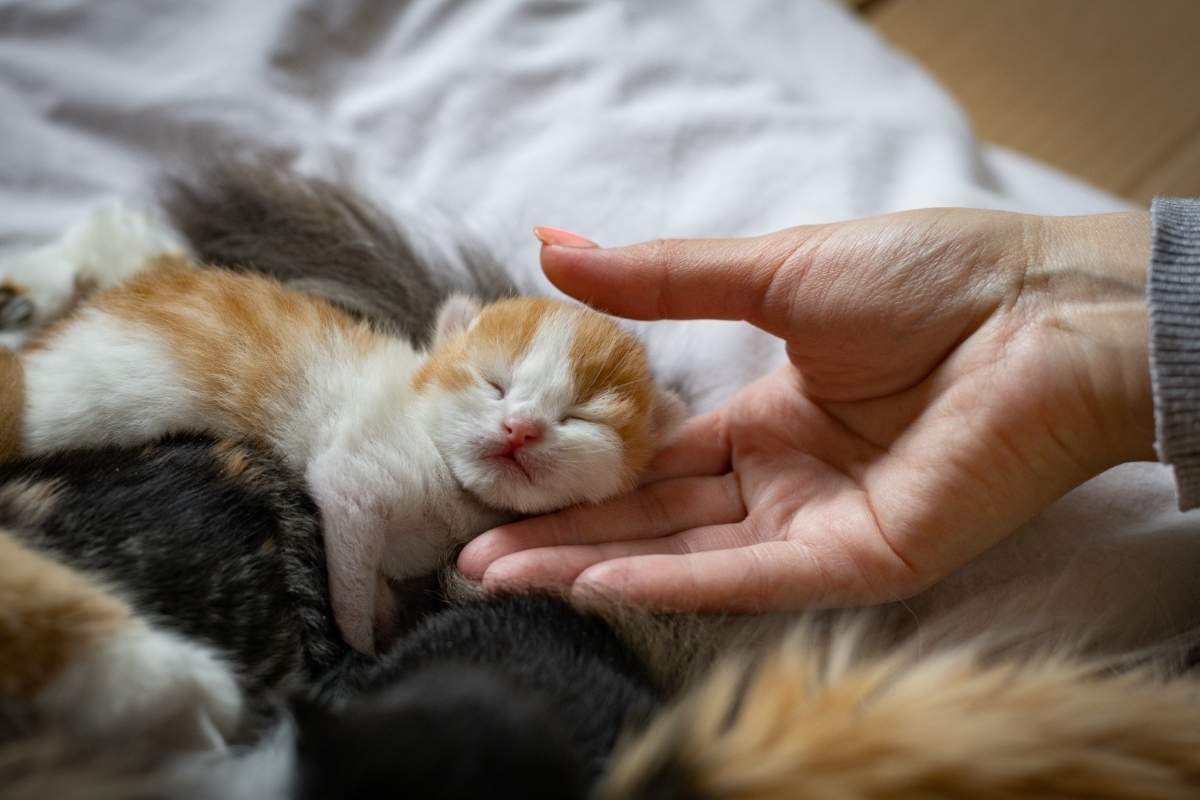
Welcoming a kitten into your home is one of life’s greatest joys, filled with playful moments, curiosity, and companionship. However, kittens have fragile immune systems and can develop health issues quickly if early warning signs aren’t recognized. As a responsible pet owner, understanding the most common kitten health problems — and knowing when to seek veterinary care — is essential. Parkwood Animal Hospital regularly treats these conditions and supports families through proper care and pet preventive services for kittens in Friendswood, TX.
1. Upper Respiratory Infections
Kittens are especially vulnerable to upper respiratory infections, caused by viruses or bacteria similar to “cat flu.” Symptoms include sneezing, runny eyes or nose, lethargy, and loss of appetite. These illnesses spread easily in multi-cat environments and can worsen rapidly without veterinary care.
What to watch for:
- Frequent sneezing
- Watery or crusty eyes
- Congestion or coughing
Early diagnosis and supportive care prevent complications like pneumonia.
2. Intestinal Parasites
Internal parasites — such as roundworms, hookworms, or coccidia — are common in young kittens and can cause digestive upset, bloating, diarrhea, and poor weight gain.
These infections are easily transmitted from the mother or environment. Regular deworming as recommended by your veterinarian is crucial.
3. Fleas & External Parasites
Even indoor kittens can pick up fleas and mites. Fleas can cause severe itching, patchy hair loss, and even anemia because kittens are so small. Ear mites cause intense ear scratching and dark debris in the ears.
Protect your kitten with age-appropriate flea control products and regular ear checks.
4. Gastrointestinal Upset & Diarrhea
Vomiting or diarrhea may seem minor at first but can quickly lead to dehydration in kittens. Dietary changes, parasites, infections, or stress can trigger these symptoms.
When to act:
- Persistent diarrhea
- Vomiting with lethargy
- Signs of dehydration (dry gums, sunken eyes)
Quick veterinary evaluation is key.
5. Eye Problems & Conjunctivitis
Kittens can develop eye infections that look like redness, swelling, or discharge. Untreated eye problems can lead to corneal damage or persistent irritation.
Early steps:
- Gently clean around the eyes with a warm, damp cloth
- Seek veterinary care if symptoms persist
6. Feline Distemper (Panleukopenia)
One of the most serious and potentially fatal viral diseases for kittens is feline distemper. Vaccination is highly effective prevention and part of core kitten care. Symptoms include vomiting, diarrhea, lethargy, and loss of appetite.
Prompt medical intervention improves outcomes — so don’t delay if you suspect this disease.
7. Ear Mites
Ear mites are microscopic parasites that make kittens scratch and shake their heads. They produce dark, crumbly ear debris resembling coffee grounds.
Veterinary-prescribed ear treatments are safe and effective — never use dog products on cats.
Why Early Detection Matters
Kittens can go from happy and playful to seriously ill very fast. That’s why regular wellness exams, vaccinations, proper nutrition, and pet preventive services at a trusted animal hospital are so important. Early detection helps prevent long-term problems and keeps your kitten growing strong.
At Parkwood Animal Hospital, our Friendswood, TX team is dedicated to helping you understand your kitten’s health and guiding you through every stage of care.
When to Book a Veterinary Visit
If your kitten shows any of the following, contact your veterinarian right away:
- Trouble breathing
- Persistent vomiting or diarrhea
- Severe lethargy or refusal to eat
- Excessive scratching or skin irritation
Book an appointment with Parkwood Animal Hospital to get expert care and peace of mind for your kitten’s health.
FAQs
Q1. How soon should my kitten see a vet after adoption?
Ans. Kittens should have their first vet visit within a few days of adoption to start vaccinations and screenings.
Q2. Can indoor kittens still get parasites?
Ans. Yes — parasites like worms and fleas can still affect indoor kittens, which is why deworming and parasite prevention are important.
Q3. How often should my kitten be vaccinated?
Ans. Core vaccinations typically start at 6-8 weeks and continue every 3-4 weeks until about 16 weeks of age.
Q4. My kitten is sneezing — is it serious?
Ans. Sneezing can be mild, but if it’s frequent or accompanied by discharge, lethargy, or loss of appetite, contact your vet.
Q5. When should I worry about diarrhea?
Ans. If diarrhea lasts longer than 24 hours, or your kitten shows signs of dehydration or weakness, schedule a vet visit.
Q6. Are home remedies safe for kitten health problems?
Ans. Home remedies may cause more harm than good. Always consult your veterinarian before trying any treatments.