New Client First Exam Only $28!


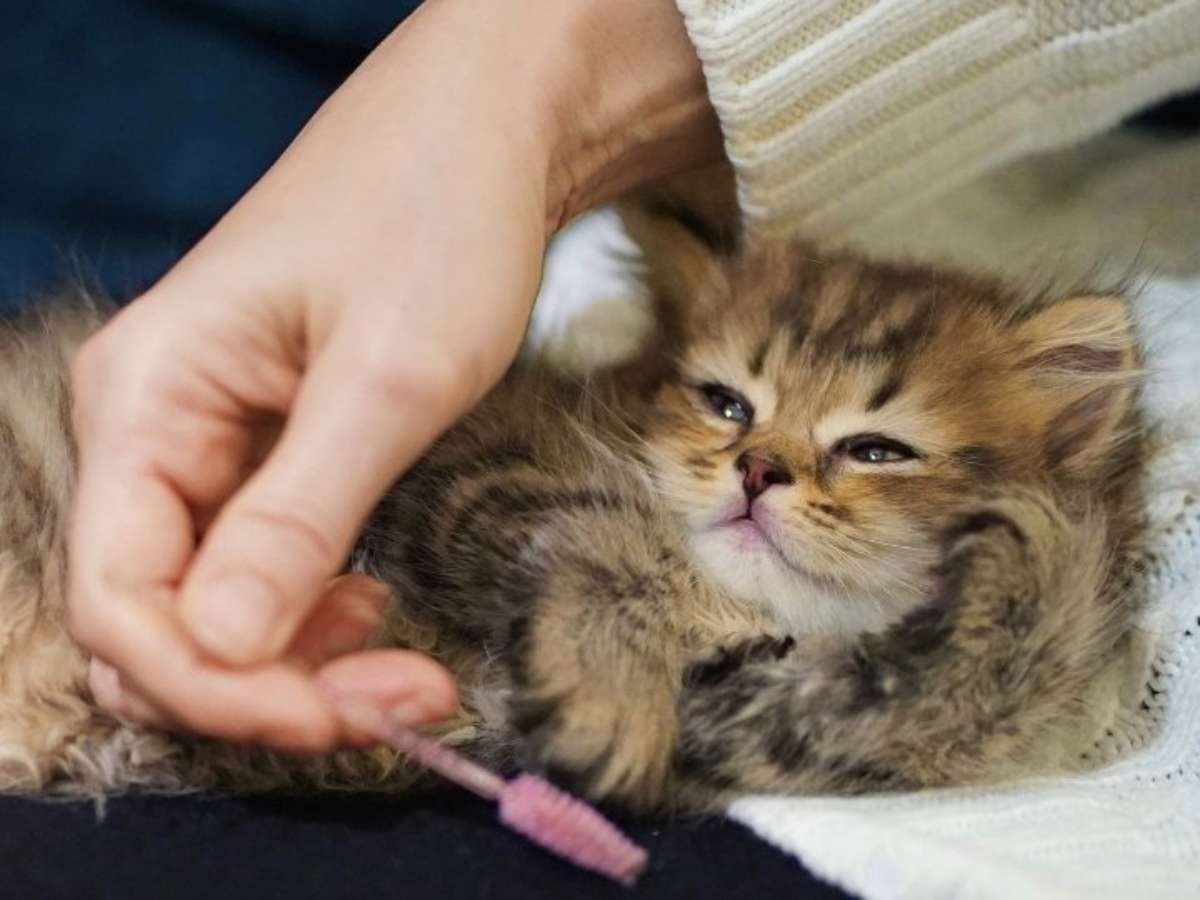
Bringing home a new kitten fills your heart with incredible joy and excitement. Those tiny paws, curious eyes, and playful antics make every moment magical. However, ensuring your new furry family member stays healthy requires proper veterinary care from day one.
Preparing for your kitten’s first vet visit helps reduce stress for everyone involved. A well-planned appointment sets the foundation for a lifetime of positive veterinary experiences. Your preparation today shapes your kitten’s comfort with medical care forever.
This guide walks you through everything needed for a successful first visit. Let’s ensure your precious kitten receives the best possible start.
Why the First Vet Visit Matters So Much
Establishing a Health Baseline
Your kitten’s initial examination creates an important health record. Veterinarians assess weight, heart function, respiratory health, and overall development during this visit.
Early detection of congenital issues prevents complications later. Additionally, this baseline helps track growth and identify changes over time. Therefore, scheduling this appointment within the first week home is essential.
Building Positive Veterinary Associations
First impressions matter tremendously for kittens. A calm, positive initial experience reduces future veterinary anxiety significantly.
Kittens who enjoy their first visits become cooperative adult patients. Consequently, your preparation efforts pay dividends throughout your cat’s entire life.
Essential Items to Bring Along
Required Documentation
Gather any paperwork from your kitten’s breeder, shelter, or previous owner. Vaccination records, deworming history, and health certificates provide valuable information.
Write down your kitten’s birth date, adoption date, and dietary details. This information helps veterinarians understand your kitten’s complete background.
Comfortable Carrier Preparation
Select a sturdy, well-ventilated carrier sized appropriately for your kitten. Place familiar bedding inside to provide comfort and security.
Introduce the carrier several days before the appointment. Leave it open at home with treats inside, creating positive associations naturally.
Stool Sample Collection
Fresh stool samples allow testing for intestinal parasites. Collect a small sample within 12 hours of your appointment.
Place the sample in a clean plastic bag or container. Refrigerate until departure time to preserve sample integrity.
Preparing Your Kitten for the Journey
Carrier Training Basics
Never force your kitten into the carrier on appointment day. Gradual introduction prevents fear and resistance.
Practice short car rides before the actual visit. These rehearsals help kittens adjust to movement and vehicle sounds.
Calming Techniques That Work
Spray feline pheromone products inside the carrier 30 minutes beforehand. These synthetic pheromones naturally reduce anxiety in cats.
Cover the carrier partially with a light blanket. This creates a den-like environment where kittens feel protected and secure.
What to Expect During the Examination
Physical Assessment Process
Veterinarians examine your kitten from nose to tail systematically. They check eyes, ears, mouth, heart, lungs, and abdomen carefully.
Expect gentle handling throughout the examination process. Staff members work patiently to keep your kitten calm and comfortable.
Vaccination Discussion
Your veterinarian will recommend appropriate vaccines based on age and lifestyle. Core vaccines protect against serious diseases like panleukopenia and rabies.
Vaccination schedules typically require multiple visits during kittenhood. Understanding this timeline helps you plan future appointments accordingly.
Many families seeking pet preventive care friendswood and surrounding areas trust experienced veterinary teams for these important early vaccinations.
Parasite Prevention Planning
Internal and external parasites threaten kitten health significantly. Your veterinarian will recommend appropriate preventive medications.
Flea, tick, and heartworm prevention starts early for best protection. Additionally, deworming protocols address common intestinal parasites effectively.
Questions to Ask Your Veterinarian
Prepare questions beforehand to maximize your appointment time. Consider asking about appropriate nutrition, spaying or neutering timing, and behavioral expectations.
Discuss indoor versus outdoor lifestyle implications. Ask about dental care, grooming needs, and signs requiring urgent attention.
The knowledgeable team at Parkwood Animal Hospital & Boarding recommends keeping a written list to ensure no important questions get forgotten.
After the Appointment: Next Steps
Following Through on Recommendations
Schedule any follow-up vaccinations before leaving the clinic. Mark these dates prominently on your calendar immediately.
Purchase recommended preventive medications and supplements. Starting these protocols promptly provides continuous protection.
Monitoring Your Kitten Post-Visit
Watch for any unusual reactions following vaccinations. Mild lethargy or slight appetite reduction is normal temporarily.
Contact your veterinarian if concerning symptoms develop. Severe reactions require immediate professional attention.
Preparing for your kitten’s first vet visit ensures a smooth, stress-free experience for everyone. Your thoughtful preparation demonstrates the loving care your new family member deserves.
Remember that this initial appointment establishes patterns for lifelong veterinary care. Positive first experiences create confident, cooperative feline patients for years ahead. Your kitten’s health journey starts with this important milestone.
Your actionable step today: Gather all necessary documents and prepare the carrier this week. Schedule your appointment within the next few days if you haven’t already. Your adorable kitten’s healthy future begins with this crucial first visit!
Frequently Asked Questions:
Q1: At what age should kittens have their first vet visit?
A: Schedule your kitten’s first examination within 7-10 days of bringing them home. Most kittens see veterinarians between 6-8 weeks old. Early visits ensure proper health assessments and timely vaccination schedules.
Q2: How much does a kitten’s first vet visit typically cost?
A: First visit costs typically range from $100 to $300 depending on services needed. This includes examination, initial vaccines, and parasite testing. Many clinics offer kitten wellness packages for cost savings.
Q3: Should I withhold food before my kitten’s appointment?
A: Generally, kittens don’t require fasting before routine examinations. However, a light meal prevents car sickness during travel. Ask your specific clinic about their pre-appointment recommendations.
Q4: How can I calm my nervous kitten during the visit?
A: Speak softly and offer gentle reassurance throughout the appointment. Bring favorite treats for positive reinforcement. Pheromone sprays and familiar blankets also reduce anxiety significantly.
Q5: What vaccines will my kitten receive at the first visit?
A: Core vaccines typically include FVRCP (feline viral rhinotracheitis, calicivirus, panleukopenia) initially. Rabies vaccination follows at appropriate age, usually around 12-16 weeks. Your veterinarian customizes schedules based on individual needs.
Q6: How often will my kitten need veterinary visits during the first year?
A: Kittens typically require visits every 3-4 weeks until around 16 weeks old. These appointments complete vaccination series and monitor development. Annual wellness exams follow after the first year.