New Client First Exam Only $28!


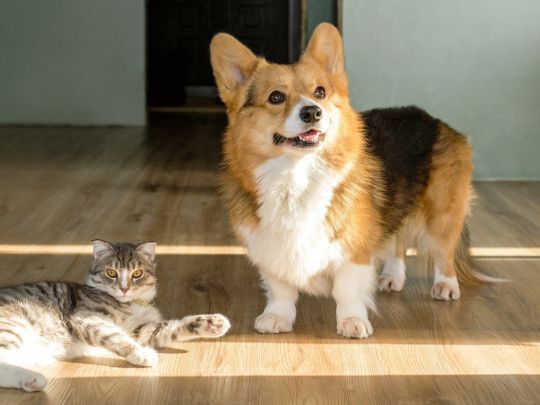
A veterinary appointment can feel routine to you but overwhelming to your pet. Unfamiliar smells, car rides, other animals, new people, and physical handling can all contribute to stress. Some pets become restless or vocal, while others freeze, hide, or try to escape.
Fortunately, simple preparation can make appointments easier. Learning how to reduce pet vet anxiety can help your dog or cat feel safer before, during, and after an examination.
At Parkwood Animal Hospital & Boarding, pet parents in Friendswood can access veterinary care in a welcoming setting where their pet’s comfort and medical needs are taken seriously.
Why Do Pets Get Anxious at the Vet?
Pets do not understand why they are being taken to an unfamiliar place or examined by someone they do not know. A previous stressful appointment can also create a negative association with the carrier, car, clinic, or certain types of handling.
Common triggers include:
- Unfamiliar sounds and smells
- Seeing or hearing other animals
- Car or carrier travel
- Being handled around sensitive areas
- Previous stressful veterinary experiences
- Pain or illness that makes handling uncomfortable
- Changes in normal routines
Cats may be particularly sensitive to changes in their surroundings. Dogs can also react strongly to unfamiliar people, animals, sounds, and restraint.
What Are the Signs of Vet Visit Anxiety in Pets?
Recognizing anxiety early gives you a chance to respond before your pet becomes overwhelmed.
Dogs may pant, pace, tremble, whine, bark, hide, resist entering the clinic, or attempt to escape. Cats may crouch low, hide, vocalize, flatten their ears, tuck their tail, hiss, swat, or refuse to leave the carrier.
Some pets simply become very still. Freezing does not necessarily mean a pet is relaxed. It can also be a fear response.
Severe or sudden behavioral changes can sometimes be associated with pain or illness rather than anxiety alone. A veterinary examination may be appropriate when you are unsure of the cause.
How Can You Reduce Pet Vet Anxiety Before an Appointment?
Preparation should ideally begin before appointment day. Small positive experiences can make unfamiliar situations more predictable.
Make the Carrier Part of Everyday Life
Do not bring your cat’s carrier out only before a veterinary appointment. Leave it open in a familiar area with comfortable bedding. You can occasionally place treats or toys inside.
Dogs that travel in carriers can benefit from similar practice.
Practice Gentle Handling at Home
Briefly touch your pet’s paws, ears, mouth, legs, and body when they are relaxed. Pair calm handling with praise or an appropriate reward. Never force your pet to continue if they become frightened.
This practice may make routine physical examinations feel less unfamiliar.
Practice Short Car Rides
If every car trip ends at the clinic, your pet may begin associating the vehicle with stress. Short practice trips can help some pets become more comfortable with travel.
If your pet experiences severe motion sickness or distress during car rides, discuss it with your veterinarian.
What Should You Do on the Day of the Vet Visit?
Keep the hours before the appointment as predictable as possible. Avoid unnecessary excitement or stressful activities.
Bring your pet’s favorite treats or another familiar reward when appropriate. A familiar blanket may also provide comforting smells during transportation.
Use a secure carrier for cats and an appropriate leash, harness, or carrier for dogs. Safety is important even when your pet normally behaves calmly.
If waiting near unfamiliar animals increases your pet’s anxiety, ask whether you can wait somewhere quieter until an exam room is available.
These small adjustments can reduce pet vet anxiety without forcing your pet through unnecessary stress.
When Does a Pet Need Extra Help With Veterinary Anxiety?
Some pets remain highly fearful despite preparation. They may panic in the car, become extremely distressed when handled, attempt to escape, or show defensive behavior.
Tell the veterinary team about these behaviors before the appointment. You can visit our veterinary hospital to discuss strategies that may make future visits easier.
A veterinarian may recommend additional management based on your pet’s health, behavior, and degree of anxiety. In certain cases, veterinarian-prescribed pre-visit medication may be considered. Never give your pet human anti-anxiety medicine, sedatives, or another pet’s medication unless specifically directed by a veterinarian.
Can Calm Vet Visits Improve Future Appointments?
Positive experiences can help some pets develop more comfortable associations with veterinary appointments. Progress may take time, especially after previous stressful visits.
After returning home, allow your pet to settle in a familiar, quiet environment. Avoid forcing interaction if they want to rest or hide.
Regular wellness appointments also support preventive veterinary care. Delaying necessary examinations because a pet is anxious could allow an underlying health concern to progress.
Make Your Pet’s Next Veterinary Visit More Comfortable
Fear should not become a reason to postpone important health examinations. With thoughtful preparation and communication, you can reduce pet vet anxiety while helping your companion receive necessary medical attention with less distress.
If your dog or cat becomes nervous before or during appointments, Parkwood Animal Hospital & Boarding is ready to help. Our team provides compassionate veterinary care for pets in Friendswood, with attention to both physical health and comfort throughout the visit. Schedule your pet’s appointment and let us work with you toward calmer, more manageable veterinary experiences.
FAQs
1. Why does my pet shake at the veterinarian?
Ans: Shaking can occur due to fear, stress, excitement, cold, or discomfort. Because trembling can have several causes, persistent or unexplained shaking should be discussed with a veterinarian, particularly when accompanied by other symptoms.
2. Should I give my pet calming medication before a vet visit?
Ans: Only give medication recommended or prescribed by your veterinarian for that pet. Some animals with significant anxiety may benefit from pre-visit medication, but the appropriate option depends on their health, age, medications, and behavior.
3. How can I make my cat less afraid of the carrier?
Ans: Leave the carrier accessible at home instead of storing it between appointments. Add familiar bedding and periodically place treats or toys inside. Gradual positive exposure can help the carrier become a familiar resting space rather than a signal that something stressful is about to happen.
4. Should I bring treats to my pet’s vet appointment?
Ans: Treats can help create positive associations for many food-motivated pets. Ask your veterinary team whether treats are appropriate, especially if your pet is having bloodwork, anesthesia, a procedure, or testing that requires fasting.
5. What if my dog becomes aggressive at the vet?
Ans: Growling, snapping, or attempting to bite can be related to fear, pain, stress, or other behavioral concerns. Inform the veterinary team before arriving so they can plan safer handling. Do not punish warning behaviors or attempt to force physical restraint yourself.
6. Can pets eventually overcome vet visit anxiety?
Ans: Many pets can become more comfortable with gradual positive exposure, calm handling, predictable routines, and veterinary support. Progress varies by animal, so improvement may take several appointments.