New Client First Exam Only $28!


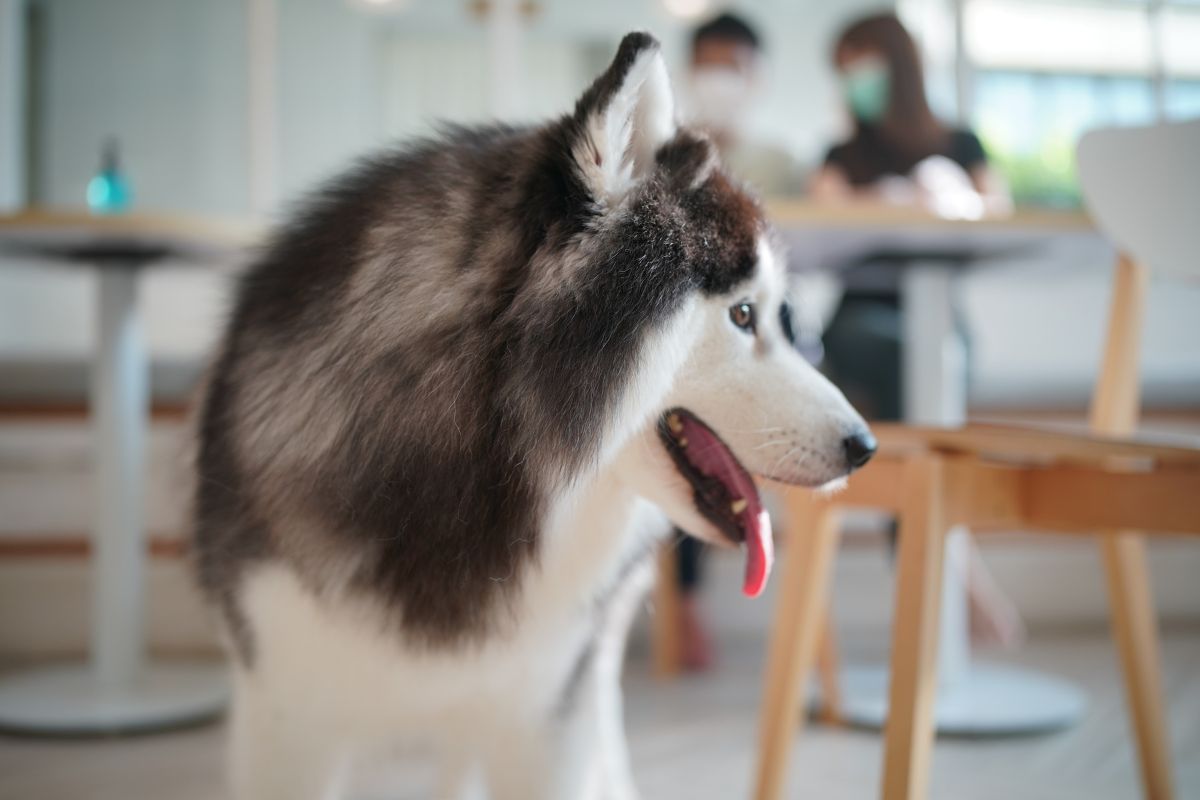
A gentle nibble from your dog can feel strange, ticklish, or even a little confusing. One moment, your dog is relaxing beside you, and the next, you feel tiny front teeth moving against your hand or arm. If this happens often, you may wonder whether your dog is showing affection, asking for attention, trying to play, or simply developing a habit.
In many situations, gentle nibbling is a normal form of canine communication. Dogs use their mouths to interact with people, other animals, and their surroundings. Puppies especially rely on their mouths while playing, exploring, and learning how to control their bite. Adult dogs may also nibble as part of social grooming or when they feel excited.
Understanding the reason behind the behavior can help you respond appropriately. It can also help you recognize when nibbling is harmless and when changes in behavior deserve professional attention.
Why Does My Dog Gently Nibble Me?
Dogs may gently nibble people for several reasons. The meaning usually depends on the situation, your dog’s body language, age, and what happens immediately before and after the behavior.
A relaxed dog that gently uses its front teeth while sitting beside you may be showing affection. A dog that becomes mouthy during play may simply be excited. A puppy that constantly chews on fingers may be experiencing normal teething discomfort.
Gentle nibbling is sometimes described as “corn cobbing” because the dog’s small front teeth can move across the skin in a way that resembles kernels on a corn cob. This behavior is generally different from a forceful bite.
Rather than focusing only on the teeth, pay attention to the entire interaction. A loose body, relaxed face, soft eyes, and relaxed tail can suggest that your dog is comfortable. Tension, avoidance, stiff posture, or increasingly forceful biting can mean something different.
Dog Nibbling as a Sign of Affection
One of the most common reasons dogs gently nibble their owners is social bonding. Dogs naturally groom members of their social group. Gentle mouth contact can be part of this social behavior.
When your dog calmly nibbles your hand while you are petting them, they may be responding to the attention and participating in a social interaction. Your dog may view you as a trusted member of their family and use gentle mouth movements as one way to interact with you.
This type of nibbling is usually accompanied by relaxed body language. Your dog may lean against you, wag their tail gently, or remain comfortably beside you.
However, affection is not the only explanation. Dogs can also nibble when they want attention, feel excited, or have learned that nibbling gets a response from their owner.
Why Dogs Nibble When They Want Attention
Dogs are observant animals. If your dog has discovered that nibbling causes you to talk, pet them, laugh, or look at them, they may repeat the behavior because it successfully gets your attention.
For example, a dog may gently nibble your hand while you are working, watching television, or talking with someone. If you immediately respond, your dog may learn that nibbling is an effective way to start an interaction.
This does not necessarily mean your dog is being difficult. They may simply be communicating a need for engagement.
If you do not want this behavior to continue, avoid rewarding the nibbling with exciting reactions. Instead, calmly redirect your dog’s attention toward an appropriate toy or another acceptable activity.
Consistency is important. Everyone in the household should respond similarly so your dog receives a clear message about which behaviors are encouraged.
Excitement and Play Can Lead to Dog Nibbling
Some dogs become mouthier when they are excited. You may notice gentle nibbling when you come home, prepare for a walk, pick up a favorite toy, or begin an energetic game.
Dogs naturally use their mouths during play. Puppies often interact with littermates through chasing, wrestling, grabbing, and gentle mouthing. As dogs mature, many continue to use their mouths during exciting interactions.
Playful mouthing usually looks different from concerning biting. A playful dog may have a loose, wiggly body and relaxed facial expression. They may bounce around, bring you a toy, or repeatedly invite you to continue playing.
Even when the behavior is playful, it is helpful to establish boundaries. Allowing your dog to regularly put their teeth on human skin can make it harder for them to understand when mouthing is appropriate.
Instead, encourage play with toys that give your dog an appropriate outlet for their energy.
Puppy Nibbling May Be Related to Teething
Puppies explore their environment with their mouths. They chew toys, household objects, and sometimes people’s hands because chewing provides information about their surroundings.
Teething can make this behavior even more noticeable. As puppies transition from baby teeth to adult teeth, chewing can help relieve uncomfortable sensations in their gums. A puppy may therefore appear particularly interested in fingers, hands, sleeves, furniture, and other objects.
This stage is temporary, but it is also an important opportunity to teach appropriate chewing habits.
Offer safe, age-appropriate chew toys and redirect your puppy whenever they begin chewing on your hands. Rewarding the puppy when they choose the toy helps reinforce the behavior you want.
Avoid encouraging rough hand-based games that involve repeatedly allowing your puppy to bite or grab your fingers. What seems cute when a puppy is small can become difficult to manage as the dog grows.
Understanding Bite Inhibition in Dogs
Bite inhibition refers to a dog’s ability to control the pressure of its mouth. Puppies begin developing this skill through interactions with their mother and littermates.
During play, one puppy may bite another too hard. The other puppy may stop playing or vocalize, giving the first puppy immediate feedback. Through repeated interactions, puppies learn that excessive pressure can end a social interaction.
Human family members also play an important role in teaching appropriate mouth behavior.
When a puppy nibbles too hard, calmly ending the interaction and redirecting the puppy toward a toy can help establish boundaries. The goal is not to frighten or punish the puppy. Instead, the focus should be on teaching which behaviors are appropriate.
Positive, consistent guidance can help your dog develop better control while preserving trust.
When Gentle Nibbling May Signal a Problem
Most gentle nibbling is not a cause for concern, but pet owners should still pay attention to changes in behavior.
The surrounding body language is particularly important. A dog that suddenly becomes stiff, freezes, avoids interaction, growls, shows its teeth, or bites with increasing pressure may be uncomfortable or distressed.
Pain can also affect behavior. A dog experiencing discomfort may become less tolerant of handling or may react differently when a particular area is touched.
If nibbling suddenly appears in a dog that has never displayed the behavior before, becomes increasingly intense, or is accompanied by other unusual changes, professional evaluation can help determine what is happening.
A bite that breaks the skin should also be taken seriously. Do not assume that every mouth-related behavior is simply playful.
How to Stop Unwanted Dog Nibbling
If your dog’s nibbling is becoming annoying, the best approach is usually calm redirection. When your dog puts their teeth on your skin, remove your hand without creating a dramatic reaction and offer an appropriate toy instead.
For example, keep a durable chew toy nearby during times when your dog commonly becomes mouthy. If nibbling starts, present the toy and encourage your dog to engage with it.
Reward your dog when they choose the toy. This helps them understand what behavior earns positive attention.
You can also reduce opportunities for unwanted nibbling by providing enough physical activity, mental stimulation, rest, and appropriate play. A dog with appropriate outlets for energy may be less likely to seek constant interaction through mouthing.
Avoid harsh physical corrections. Punishment can increase fear or confusion and may damage the trust between you and your dog. Clear boundaries, consistency, and positive reinforcement are generally more productive ways to teach desirable behavior.
How Pet Owners Can Encourage Healthy Behavior
Teaching appropriate mouth behavior starts with understanding why your dog is nibbling. Once you identify the trigger, you can respond more effectively.
If the behavior occurs during play, provide toys and structured games. If your dog seeks attention through nibbling, reward calmer ways of getting your attention. If a puppy is chewing because of teething, provide suitable chew options.
Supervise interactions with children, particularly when a dog is young or excitable. Children may unintentionally encourage mouthy behavior by waving their hands, wrestling with the dog, or responding excitedly.
It is also important to consider your dog’s overall health. Routine examinations can help identify problems that may influence behavior, comfort, or activity levels. Preventive veterinary care can also give pet owners an opportunity to discuss behavioral concerns before they become more difficult to manage.
For families looking for pet preventive care in Friendswood, maintaining regular veterinary visits is an important part of supporting a dog’s overall health and well-being.
When to Talk With a Veterinarian About Nibbling
You should consider professional guidance if your dog’s nibbling becomes frequent, forceful, unpredictable, or difficult to interrupt.
A veterinarian can help determine whether an underlying health concern could be contributing to a behavior change. They can also discuss appropriate behavioral strategies and recommend additional support when necessary.
Pet owners searching for an animal hospital in Friendswood can benefit from choosing a veterinary team that considers both physical health and behavior. A complete evaluation can provide useful insight when a familiar habit suddenly changes.
If you are unsure whether your dog’s nibbling is normal, it is better to discuss the behavior than to ignore a significant change. Keeping notes about when the nibbling happens, what triggers it, and how your dog behaves beforehand can also help your veterinarian understand the situation.
Helping Your Dog Develop Healthy Habits
A gentle nibble is often your dog’s way of communicating rather than an indication of bad behavior. Affection, attention, excitement, play, exploration, and puppy teething can all contribute to mouthy behavior.
The key is to consider the entire situation. Observe your dog’s body language, identify what triggers the nibbling, and redirect unwanted mouthing toward appropriate toys. Consistent responses can help your dog understand healthy boundaries while maintaining a strong relationship.
Regular veterinary care is another important part of responsible dog ownership. If you have concerns about your pet’s behavior, health, or changing habits, professional guidance can provide reassurance and practical next steps. Pet owners looking for a reliable vet near you can turn to a trusted local veterinary team for ongoing support.
When you need compassionate veterinary guidance for your dog’s health and behavior, Parkwood Animal Hospital & Boarding is here to support families and their pets. If a new or concerning behavior has appeared, schedule for an appointment so your dog’s overall health and needs can be evaluated.
Frequently Asked Questions
1. Why does my dog gently nibble my hand?
Ans: Gentle nibbling can be related to affection, social grooming, attention-seeking, excitement, play, or exploration. The dog’s body language and the situation help determine the most likely reason.
2. Is gentle nibbling a sign that my dog loves me?
Ans: It can be. Some dogs use gentle mouth movements as part of social bonding and affection. If your dog remains relaxed and comfortable, the behavior may simply be a way of interacting with you.
3. Why does my puppy nibble on everything?
Ans: Puppies naturally explore with their mouths, and teething can increase their desire to chew. Providing appropriate chew toys and redirecting them away from hands and household objects can help.
4. Should I let my dog nibble on my hands?
Ans: Even if the nibbling is gentle, it is usually better to establish clear boundaries. Redirecting your dog toward toys can help prevent playful mouthing from becoming a harder-to-control habit.
5. How can I stop my dog from nibbling me?
Ans: Calmly remove your hand and redirect your dog toward an appropriate toy. Reward the dog for interacting with the toy and remain consistent. Avoid harsh punishment or reactions that may increase excitement.
6. When should I worry about my dog’s nibbling?
Ans: Pay closer attention if the behavior becomes painful, breaks the skin, appears suddenly, or occurs alongside stiffness, growling, snapping, fear, avoidance, or other unusual behavior. A veterinarian can help evaluate significant changes.