New Client First Exam Only $28!


If your pet has been constantly scratching their ears, shaking their head, or showing signs of irritation, ear mites could be the cause. These tiny parasites are a common problem in both dogs and cats and can quickly lead to discomfort, inflammation, and even secondary ear infections if left untreated. At Parkwood Animal Hospital & Boarding, we help pet owners in Friendswood identify and treat ear mites early to keep pets healthy and comfortable.
In this guide, we’ll explain the signs, causes, treatment options, and prevention tips for ear mites in dogs and cats.
What Are Ear Mites?
Ear mites are tiny паразites that live on the surface of the skin inside a pet’s ear canal. The most common type affecting pets is Otodectes cynotis. Although they are microscopic, they can cause intense irritation and inflammation.
Ear mites feed on wax, oils, and debris inside the ears, leading to itchiness and discomfort. They are highly contagious and can spread easily between pets through close contact.
Cats are more commonly affected than dogs, especially kittens, but dogs can also develop ear mite infestations.
Signs of Ear Mites in Dogs and Cats
Recognizing the symptoms early can help prevent complications. Common signs of ear mites include:
Excessive Ear Scratching
Pets with ear mites often scratch their ears frequently because of severe itchiness.
Head Shaking
Constant head shaking is one of the most noticeable symptoms of ear irritation caused by mites.
Dark Ear Discharge
Ear mites often produce a dark brown or black discharge that resembles coffee grounds.
Redness and Inflammation
The ear canal may appear red, swollen, or irritated.
Strong Ear Odor
Some pets develop an unpleasant smell coming from the ears due to inflammation or infection.
Hair Loss Around the Ears
Frequent scratching can cause hair loss or skin damage around the ears and face.
Sensitivity or Pain
Your pet may resist having their ears touched if they are uncomfortable or painful.
If you notice any of these symptoms, it’s important to schedule a veterinary exam promptly.
What Causes Ear Mites?
Ear mites are extremely contagious and spread through direct contact with infected animals. Common causes include:
- Contact with infected dogs or cats
- Exposure at boarding facilities, shelters, or grooming salons
- Outdoor exposure to stray or infected animals
- Shared bedding or grooming tools
Because ear mites spread easily, households with multiple pets may experience infestations in more than one animal at the same time.
Are Ear Mites Dangerous?
While ear mites are usually not life-threatening, they can lead to serious discomfort and complications if untreated.
Potential problems include:
- Secondary bacterial or yeast infections
- Chronic ear inflammation
- Skin wounds from excessive scratching
- Ear hematomas caused by aggressive head shaking
- Hearing issues in severe cases
Early diagnosis and treatment are important to protect your pet’s long-term ear health.
How Veterinarians Diagnose Ear Mites
At Parkwood Animal Hospital & Boarding, veterinarians diagnose ear mites through a physical examination and ear evaluation.
Ear Examination
Your veterinarian will inspect the ears using an otoscope to look for inflammation, discharge, and signs of parasites.
Microscopic Evaluation
A sample of ear debris may be examined under a microscope to confirm the presence of mites or identify secondary infections.
Since ear infections and allergies can cause similar symptoms, professional diagnosis helps ensure your pet receives the right treatment.
Treatment Options for Ear Mites
The good news is that ear mites are treatable with proper veterinary care. Treatment depends on the severity of the infestation and whether secondary infections are present.
Ear Cleaning
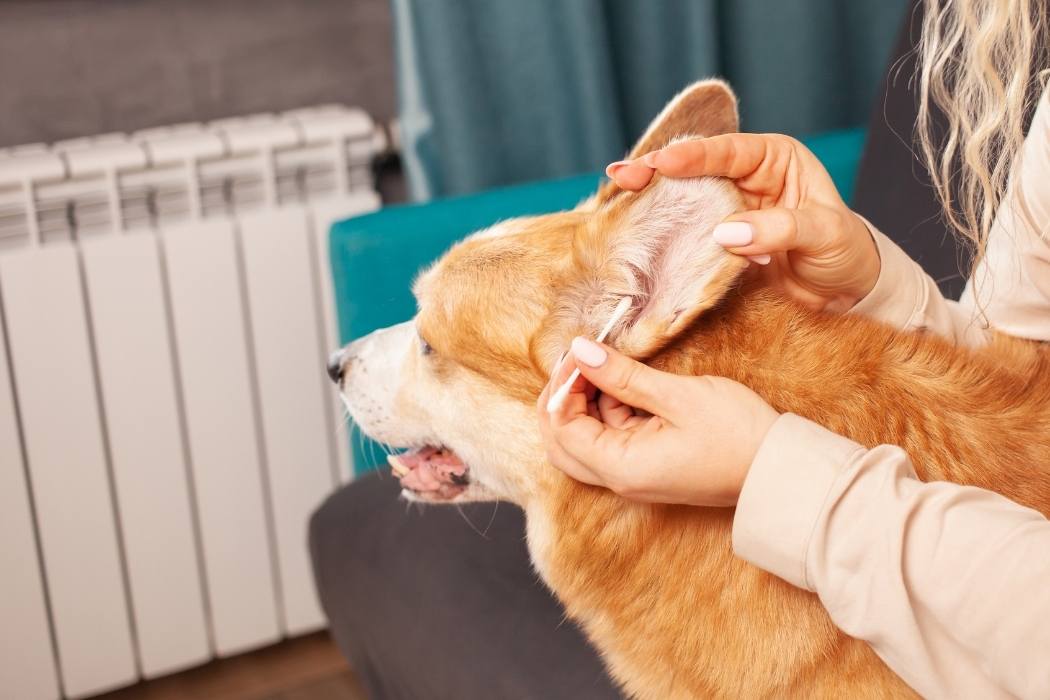
Cleaning the ears removes debris, wax buildup, and discharge that mites feed on.
Veterinary-approved ear cleaners are typically recommended to safely flush the ear canal.
Prescription Medications
Your veterinarian may prescribe:
- Topical ear medications
- Anti-parasitic treatments
- Oral or topical flea and tick preventatives that also kill mites
Many modern parasite prevention products effectively eliminate ear mites with a single treatment or monthly application.
Treating Secondary Infections
If your pet has developed a bacterial or yeast infection, antibiotics or antifungal medications may also be prescribed.
Treating All Pets in the Household
Since ear mites spread easily, veterinarians often recommend treating all dogs and cats in the home to prevent reinfestation.
Can Ear Mites Go Away on Their Own?
Ear mites rarely resolve without treatment. In most cases, the infestation worsens over time and may lead to infections or chronic ear problems.
Home remedies found online are not always safe or effective and may irritate the ears further. Professional veterinary care is the safest way to eliminate mites and protect your pet’s health.
How to Prevent Ear Mites
Although ear mites are common, there are several ways to reduce your pet’s risk.
Use Preventive Parasite Control
Many monthly parasite prevention medications protect against ear mites in addition to fleas and ticks.
Keep Ears Clean
Routine ear cleaning can help reduce wax buildup and allow you to spot problems early.
Schedule Regular Veterinary Exams
Routine wellness visits help veterinarians detect ear issues before they become severe.
Avoid Contact with Infected Animals
Limiting exposure to infected or stray animals can reduce the risk of transmission.
Wash Bedding and Grooming Supplies
Cleaning shared pet items helps prevent reinfestation.
When Should You Call a Veterinarian?
You should contact your veterinarian if your pet:
- Frequently scratches their ears
- Has dark ear discharge
- Shows signs of pain or swelling
- Develops a foul odor from the ears
- Shakes their head excessively
- Experiences recurring ear problems
Prompt treatment can prevent discomfort and reduce the risk of long-term ear damage.
Compassionate Ear Care for Pets in Friendswood
Ear mites can make pets miserable, but early treatment can quickly relieve discomfort and restore ear health. At Parkwood Animal Hospital & Boarding, our veterinary team provides thorough ear examinations, parasite treatment, and preventive care for dogs and cats in Friendswood and surrounding communities.
If your pet is showing signs of ear irritation or infection, don’t wait for symptoms to worsen. Book an appointment with our team today to help your pet feel comfortable again.
Frequently Asked Questions
1. Can humans get ear mites from pets?
Ans: Ear mites primarily affect animals and are uncommon in humans. In rare cases, temporary skin irritation may occur after close contact with infected pets.
2. Are ear mites more common in cats or dogs?
Ans: Ear mites are more common in cats, especially kittens, but dogs can also become infected.
3. How long does it take to treat ear mites?
Ans: Most ear mite infestations improve within a few weeks with proper treatment, although follow-up care may be needed.
4. Can indoor pets get ear mites?
Ans: Yes. Indoor pets can become infected through contact with another infected animal or contaminated items.
5. Do ear mites smell bad?
Ans: Ear mites themselves do not usually cause odor, but secondary infections associated with infestations often produce a foul smell.
6. Should I clean my pet’s ears at home?
Ans: You should only use veterinarian-approved ear cleaning products and follow your veterinarian’s instructions to avoid damaging the ear canal.