New Client First Exam Only $28!


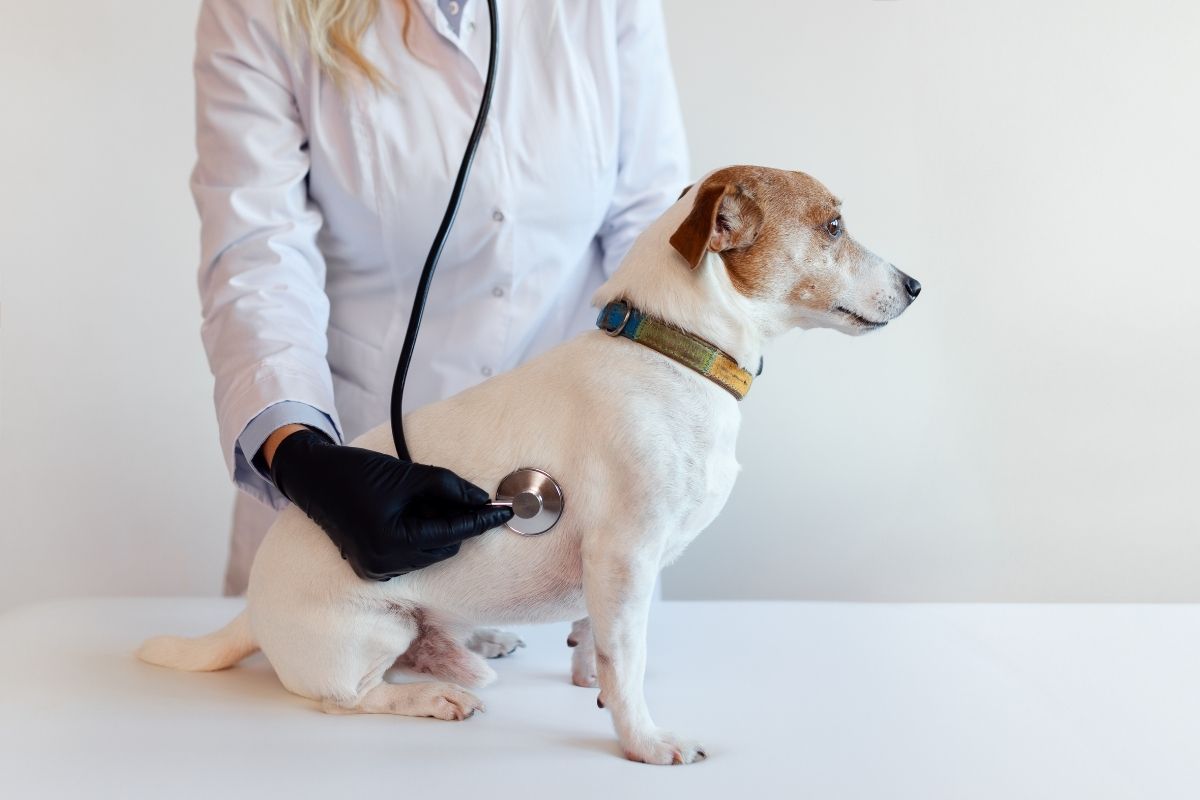
Top 5 Signs Your Dog Might Have Heartworms
Heartworms are a serious and potentially life-threatening condition for dogs. Often transmitted by mosquitoes, these parasites can silently grow in your dog’s heart and lungs, causing severe complications if left untreated. Knowing the early warning signs is key to protecting your furry friend.
What Are Heartworms?
Heartworms are parasitic worms that live in the heart, lungs, and associated blood vessels. Infection can lead to heart failure, lung disease, and organ damage over time. While preventive medication is highly effective, early detection is critical for successful treatment.
1. Persistent Coughing
A chronic, soft cough that doesn’t go away is one of the earliest signs of heartworms. You might notice your dog coughing after exercise or even while resting.
2. Fatigue and Decreased Activity
Dogs with heartworms often show signs of lethargy or tire easily during walks or playtime. If your usually active dog becomes suddenly sluggish, it’s worth investigating.
3. Weight Loss and Loss of Appetite
Heartworm infections can reduce a dog’s appetite and cause gradual weight loss. Even mild cases may show subtle changes in eating habits or body condition.
4. Swollen Abdomen
Fluid accumulation in the abdomen, often called ascites, may indicate advanced heartworm disease. You might notice a bloated or distended belly along with discomfort.
5. Difficulty Breathing
As heartworms grow, they can block blood flow and strain the lungs, leading to labored breathing, rapid panting, or shortness of breath during mild activity.
How to Protect Your Dog
Prevention and early detection are the best defenses against heartworms. Here’s what you can do at home:
- Use Heartworm Preventive Medications: Regular monthly medication is highly effective.
- Limit Mosquito Exposure: Avoid outdoor activity during peak mosquito hours and use dog-safe repellents.
- Regular Vet Checkups: Annual blood tests can detect heartworms early.
- Monitor Your Dog’s Health: Keep an eye on energy levels, appetite, and breathing for subtle changes.
Heartworms are preventable but potentially deadly if overlooked. By understanding the top 5 signs your dog might have heartworms, monitoring your pet’s health, and using preventive care, you can protect your furry friend from serious complications.
Conveniently located in Friendswood, TX, Parkwood Animal Hospital & Boarding is a trusted vet in Friendswood providing expert preventive care, ensuring your dog stays healthy, happy, and heartworm-free.
FAQs:
Q1. Can a dog with heartworms show no symptoms?
Ans. Yes, early-stage heartworm infections may not show obvious signs. Regular vet testing is crucial.
Q2. How are heartworms diagnosed?
Ans. Veterinarians use blood tests, X-rays, or ultrasounds to detect heartworms and assess the severity of infection.
Q3. Are heartworms fatal if untreated?
Ans. Yes, untreated heartworm infections can cause heart failure, lung damage, and potentially death.
Q4. Can dogs get heartworms indoors?
Ans. Yes, mosquitoes can enter homes, so indoor dogs are still at risk. Preventive medication is essential.
Q5. How long does it take for heartworm symptoms to appear?
Ans. Symptoms may appear 6 months to several years after infection, depending on worm load and dog health.
Q6. Can heartworms be treated?
Ans. Yes, treatments are available but can be expensive and risky. Prevention is far safer than treatment.