New Client First Exam Only $28!


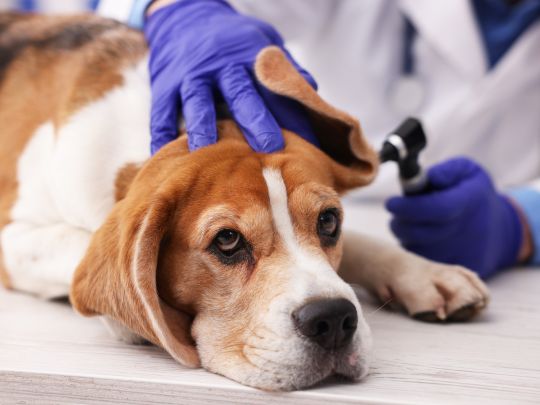
Watching your dog repeatedly struggle with ear infections can be stressful. Constant scratching, head shaking, and discomfort can affect their daily happiness. Many dogs experience occasional ear problems, but chronic infections require deeper attention. Recurring infections may indicate underlying issues that need proper diagnosis and treatment.
At Parkwood Animal Hospital & Boarding, we help pet owners understand their dog’s health concerns through compassionate veterinary care. Our team provides comprehensive care to support pets at every stage of life.
If you live in Friendswood or nearby communities, this guide can help you understand recurring ear infections. Learn how causes are identified and when advanced treatments may become necessary. Continue reading to discover how veterinary care can help manage chronic ear infections and improve your dog’s comfort.
Why Do Dogs Develop Chronic Ear Infections?
Ear infections occur when inflammation, bacteria, yeast, or other factors affect the ear canal. Some dogs develop repeated infections due to ongoing triggers.
Common causes include:
- Allergies affecting the skin and ears
- Excess moisture trapped inside the ear canal
- Ear structure that limits airflow
- Foreign objects inside the ear
- Untreated or recurring infections
- Hormonal conditions affecting skin health
Dogs with floppy ears or narrow ear canals may have a higher risk. However, any dog can develop painful ear problems.
Repeated infections can cause thickening of ear tissues. They may also lead to changes inside the ear canal over time.
What Are the Signs of Chronic Ear Infections in Dogs?
Recognizing symptoms early can help prevent worsening discomfort. Dogs often show noticeable changes when their ears become painful.
Signs may include:
- Frequent head shaking
- Scratching around the ears
- Redness or swelling inside the ear
- Unpleasant odor from the ears
- Dark discharge or fluid buildup
- Sensitivity when touching the ears
- Balance problems in severe cases
Some dogs may also become less active or avoid interaction. Painful ears can affect their mood and behavior.
A veterinary evaluation can determine whether your dog has a simple infection or a more complex condition that requires pet surgery.
How Do Veterinarians Diagnose Recurring Ear Infections?
A veterinarian begins with a detailed examination of your dog’s ears and overall health. Diagnosis helps identify the reason behind repeated infections.
The evaluation may include:
Ear Examination
Your veterinarian checks the ear canal using specialized equipment. This helps identify inflammation, debris, or structural changes.
Ear Cytology
A sample from the ear may be examined under a microscope. This helps determine whether bacteria or yeast are present.
Additional Testing
Some dogs may need further testing based on their symptoms. These tests can help identify allergies or other medical concerns.
Finding the cause is important because treatment depends on your dog’s specific condition.
Can Surgery Help Dogs With Chronic Ear Infections?
This is not the first option for most ear infections. Many dogs improve with proper medications and long-term management.
However, some chronic cases may not respond to traditional treatments. Severe changes in the ear canal can make infections difficult to control.
In these situations, surgical procedures may help improve comfort. It can remove damaged tissue or create better drainage.
Veterinarians may consider procedures such as:
- Total ear canal ablation (TECA)
- Lateral ear canal resection
- Procedures that improve ear drainage
The recommended approach depends on infection severity and your dog’s overall health.
How Does Pet Surgery Help Manage Severe Ear Problems?
When chronic ear infections cause permanent damage, the procedure may become part of a treatment plan. Surgical procedures aim to reduce pain and improve quality of life.
Before recommending this treatment, veterinarians evaluate:
- The severity of ear damage
- Previous treatment results
- Infection frequency
- Your dog’s comfort level
- Overall health condition
It does not treat every ear infection case. It is usually considered when other treatments cannot provide lasting relief.
A careful evaluation helps determine whether surgery is the right choice for your pet.
What Should Pet Owners Expect During the Surgical Process?
Understanding the process can help reduce stress before your dog’s procedure.
The typical process includes:
Pre-Surgical Evaluation
Your veterinarian performs an examination before the procedure. Bloodwork or additional testing may be recommended.
Surgical Procedure
The procedure is performed with anesthesia and careful monitoring. The veterinary team focuses on safety and comfort.
Recovery Period
Your dog may need medication, rest, and follow-up visits after the procedure. Recovery instructions help support healing.
Every dog’s recovery timeline can vary. Your veterinarian will provide guidance based on your pet’s condition.
Can Chronic Ear Infections Be Prevented?
While not every infection can be prevented, regular care can reduce risks.
Helpful prevention steps include:
- Schedule routine veterinary checkups
- Keep ears clean based on veterinary guidance
- Address allergies early
- Avoid excessive moisture in ears
- Monitor changes in behavior or discomfort
Avoid cleaning your dog’s ears with products not recommended by your veterinarian. Incorrect cleaning methods can worsen irritation.
Why Professional Veterinary Care Matters for Ear Problems
Recurring ear infections often require more than temporary relief. Treating symptoms without finding the cause can allow problems to return.
A veterinary team can create a complete care plan based on your dog’s needs. This approach helps address discomfort while protecting long-term ear health.
Parkwood Animal Hospital & Boarding offers comprehensive veterinary services for pets in Friendswood and surrounding areas. Their team provides medical and surgical care designed to support healthier lives for pets.
Helping Your Dog Find Relief From Chronic Ear Problems
Chronic ear infections can be frustrating for both dogs and their families. Understanding the cause is the first step toward better comfort and improved health.
Parkwood Animal Hospital & Boarding provides compassionate veterinary care for pets needing diagnosis, treatment, and surgical support. Our team focuses on finding solutions that match each pet’s individual needs.
If you are located in Friendswood or nearby areas, book an appointment with our veterinary team. We can help evaluate your dog’s recurring ear infections and recommend the right care approach.
Frequently Asked Questions
1. Can chronic ear infections in dogs be cured permanently?
Ans: Some dogs improve significantly after proper treatment and management. Others may need ongoing care for allergies or underlying conditions.
2. When should a dog with recurring ear infections see a veterinarian?
Ans: Schedule a veterinary examination when infections repeatedly return. Persistent odor, discharge, scratching, or pain also require professional evaluation.
3. Can surgery help dogs with severe chronic ear infections?
Ans: Surgery may help dogs with severe or permanent ear canal changes. Your veterinarian can determine whether surgery is appropriate after a thorough evaluation.
4. Does Parkwood Animal Hospital & Boarding provide pet surgery in Friendswood?
Ans: Yes. Parkwood Animal Hospital & Boarding provides veterinary surgical services for pets in Friendswood and surrounding communities. Your veterinarian can determine whether surgery is appropriate for your dog.
5. Can I bring my dog to Parkwood Animal Hospital & Boarding for recurring ear infections?
Ans: Yes. Pet owners in Friendswood can seek veterinary evaluation for recurring ear infections at Parkwood Animal Hospital & Boarding. The team can assess the underlying cause and discuss appropriate treatment options.
6. Does Parkwood Animal Hospital & Boarding offer surgical care for dogs in Friendswood?
Ans: Parkwood Animal Hospital & Boarding provides surgical services for pets in Friendswood. If chronic ear disease requires surgical consideration, your veterinarian can discuss suitable options for your dog.
7. Can allergies cause recurring ear infections in dogs?
Ans: Yes. Allergies can contribute to repeated inflammation and infections in a dog’s ears. Managing the underlying allergy may help reduce future flare-ups.