New Client First Exam Only $28!


Hearing that your pet needs surgery can feel overwhelming. Whether it is a routine spay procedure or a more complex operation, many pet owners immediately worry about safety. The good news is that modern medicine has greatly improved outcomes. With proper preparation and attentive aftercare, most pets recover quickly and comfortably.
Understanding how to reduce surgical risks helps you play an active role in your pet’s health. Preparation before the procedure and careful monitoring afterward both make a significant difference.
In this guide, Parkwood Animal Hospital explains what you should do before, during, and after your pet’s operation. This information is especially helpful for pet families in Friendswood, TX.
Why Preparation Matters Before Surgery
First, preparation lowers complications. Pets cannot tell us when something feels wrong, so veterinarians rely on careful screening to protect them.
Before surgery, your veterinarian performs:
- A full physical exam
- Blood testing
- Heart and lung evaluation
- Medication review
These steps identify hidden problems such as anemia, infection, or organ disease. As a result, the veterinarian can adjust anesthesia and medication safely.
Additionally, fasting before anesthesia is critical. Food in the stomach increases the risk of vomiting while under sedation. Therefore, always follow feeding instructions exactly.
Share Your Pet’s Medical History
Next, be open about your pet’s lifestyle and behavior. Even small details matter.
Tell your veterinarian if your pet:
- Recently vomited
- Has coughing or sneezing
- Takes supplements
- Ate something unusual
- Has allergies
This information helps your veterinarian customize anesthesia. Personalized plans are one of the most effective ways to reduce surgical risks before any procedure.
The Role of Pre-Anesthetic Testing
Many owners wonder why blood tests are necessary for young pets. Even healthy animals can have underlying issues not visible during a routine exam.
Bloodwork checks:
- Liver function
- Kidney function
- Blood sugar
- Infection markers
Because anesthesia affects organs, these results guide safe drug selection. Skipping testing increases complications, especially in senior pets.
Safety During the Procedure
Modern veterinary surgery includes advanced monitoring similar to human hospitals. Throughout the operation, trained staff track your pet’s vital signs.
Monitoring equipment measures:
- Heart rate
- Blood pressure
- Oxygen levels
- Body temperature
- Breathing rate
Meanwhile, a technician remains with your pet from induction through recovery. Continuous observation allows immediate response if changes occur.
Temperature control is also important. Small animals lose body heat quickly, so warming blankets help prevent complications.
Pain Management Improves Recovery
Some owners worry about anesthesia, but untreated pain is actually more harmful. Pain slows healing, weakens immunity, and reduces appetite.
Veterinarians use multi-modal pain control, which means combining medications that work in different ways. This approach provides comfort while minimizing side effects.
Comfortable pets heal faster and experience fewer behavioral changes after surgery.
What Happens Immediately After Surgery
After the procedure, pets move to a recovery area. Staff monitors them until they can safely stand and swallow. Grogginess is normal for several hours.
When your pet comes home, you may notice:
- Sleepiness
- Mild disorientation
- Reduced appetite
- Small incision swelling
These signs usually improve within 24 hours.
At-Home Care Instructions
Following instructions carefully is the most important step in learning how to reduce surgical risks after surgery.
Restrict Activity
Limit running, jumping, and stairs for at least 10–14 days. Excess movement can reopen stitches.
Protect the Incision
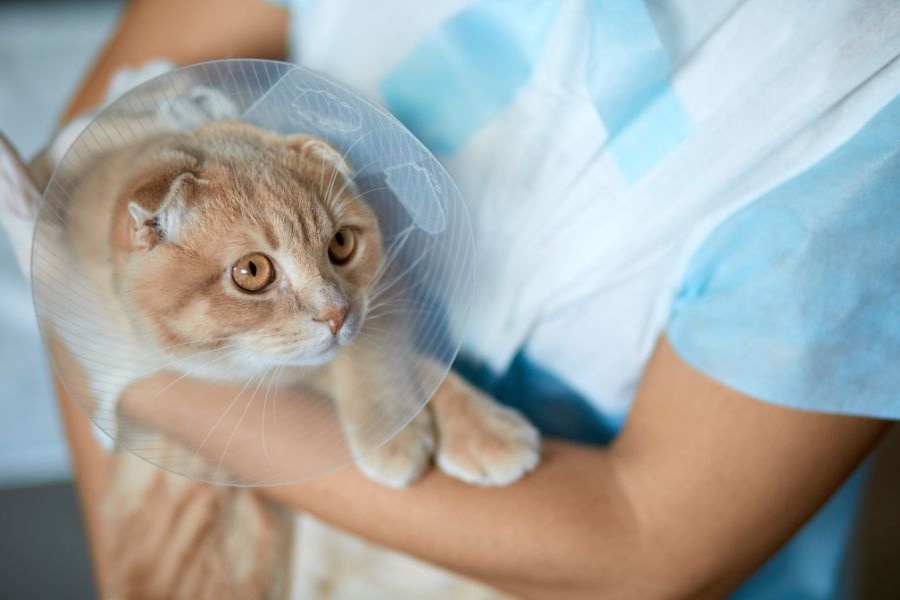
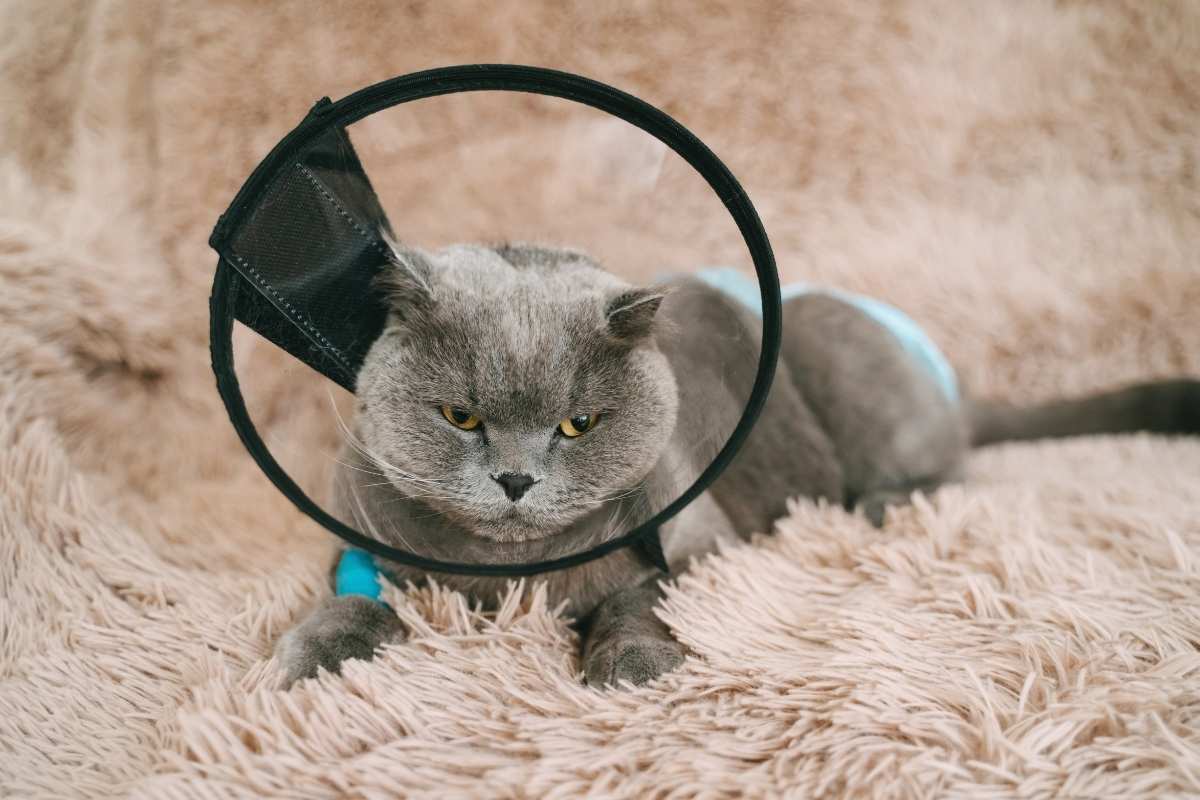
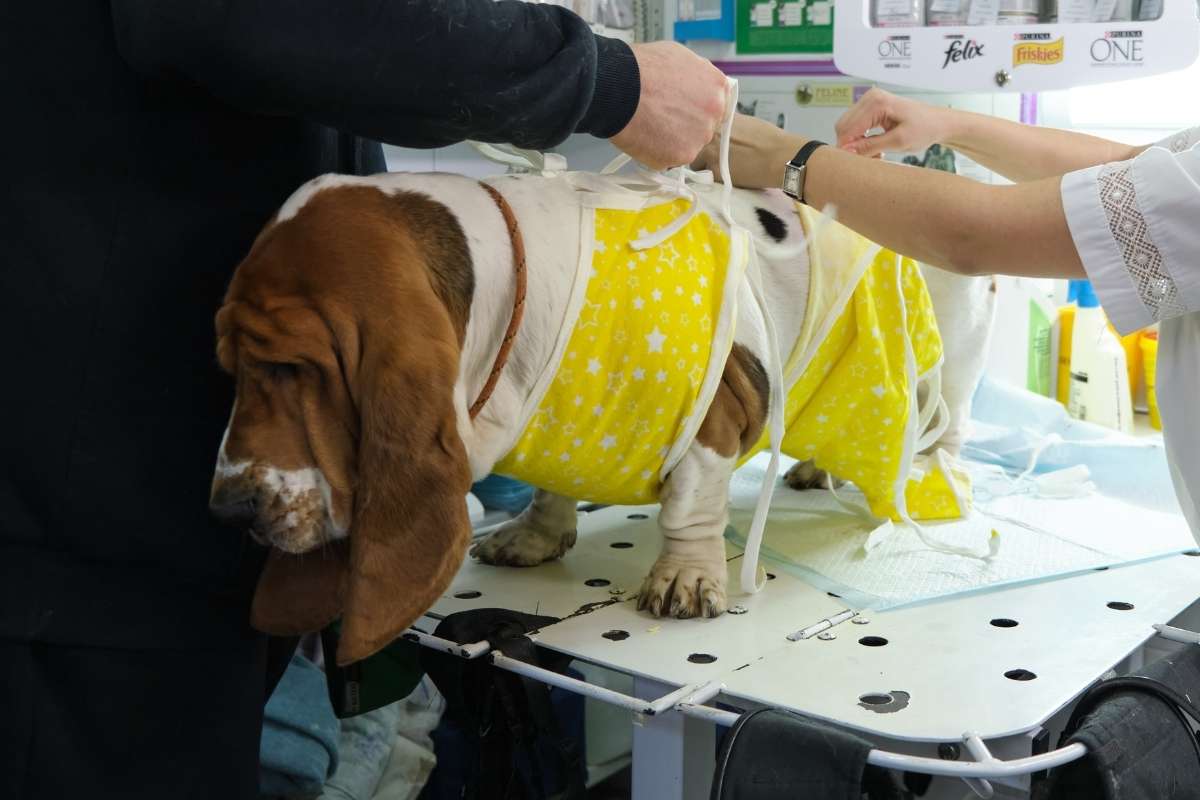
Use an e-collar or surgical suit. Licking introduces bacteria and causes infection.
Give Medications Properly
Administer antibiotics and pain medication exactly as directed. Never skip doses or stop early.
Provide a Quiet Resting Area
Choose a warm, clean, low-traffic space. A calm environment reduces stress and promotes healing.
Watch for Warning Signs
While most pets recover smoothly, complications can occur. Contact your veterinarian immediately if you notice:
- Continuous bleeding
- Foul odor from the incision
- Pus or discharge
- Vomiting or diarrhea
- Refusal to eat for 24 hours
- Extreme lethargy
- Pale gums
Quick action prevents serious infection or internal issues.
Nutrition and Hydration After Surgery
Proper nutrition supports tissue repair. Offer a small meal once your pet is fully awake. Some pets experience mild nausea, so start with bland food if recommended.
Encourage hydration by:
- Providing fresh water
- Using shallow bowls
- Offering ice chips for reluctant drinkers
Adequate fluids help medications circulate and flush anesthesia from the body.
Follow-Up Appointments Are Essential
Recheck visits allow veterinarians to evaluate healing progress. Even if your pet appears fine, internal healing still occurs.
During the visit, your veterinarian:
- Examines the incision
- Removes sutures if needed
- Adjusts medication
- Confirms normal recovery
Skipping follow-ups increases the chance of unnoticed complications.
Preparing Emotionally for Surgery
Pets sense their owner’s anxiety. Staying calm helps your pet remain relaxed. Maintain a normal tone and routine before drop-off. Additionally, bring a familiar blanket or toy for comfort.
Planning ahead — transportation, time off work, and recovery space — also reduces stress for both you and your pet.
Surgery does not have to be frightening. By preparing properly and providing attentive home care, you greatly improve your pet’s safety and comfort. Understanding the process empowers you to support healing and prevent complications.
If you are in Friendswood, TX, and looking for dependable veterinary care close to home, schedule an appointment with Parkwood Animal Hospital. Our staff will guide you from the first consultation through healing, helping your pet recover with comfort and care.
FAQs
Q1. Is anesthesia safe for older pets?
Ans. Yes. With proper testing and monitoring, senior pets safely undergo procedures every day.
Q2. How long does recovery usually take?
Ans. Most pets recover within 10–14 days, though major procedures may take longer.
Q3. Can my pet sleep with me after surgery?
Ans. It is better to keep them in a quiet resting area to avoid jumping or sudden movement.
Q4. Why is my pet whining after surgery?
Ans. Mild discomfort or confusion from anesthesia can cause vocalization. Contact your vet if it persists.
Q5. When can my pet bathe again?
Ans. Avoid bathing until stitches are removed or healing is complete.
Q6. What if my pet removes the cone?
Ans. Replace it immediately. Even a few minutes of licking can cause infection.