New Client First Exam Only $28!


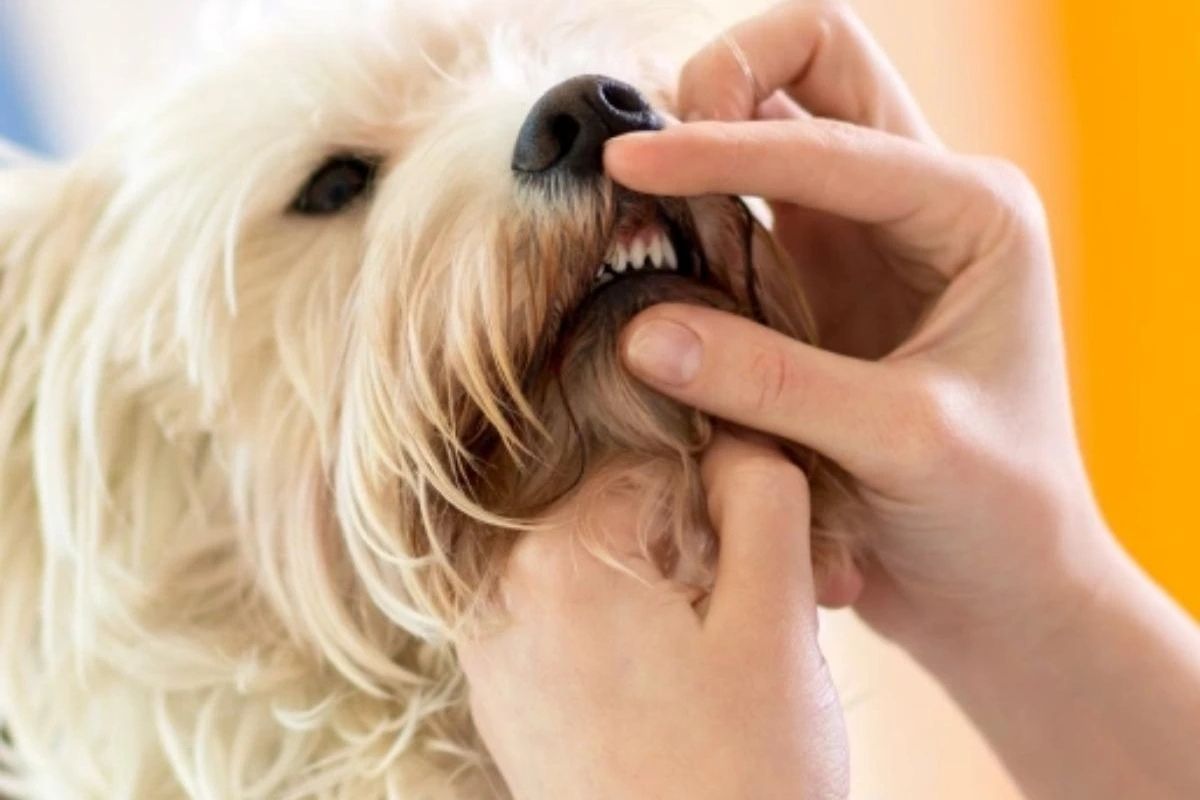
Your pet’s smile is more important than many pet owners realize. Dental health is closely connected to your pet’s overall wellness, comfort, and quality of life. Unfortunately, dental disease is one of the most common health problems seen in dogs and cats, and it often develops quietly without obvious signs in the early stages. By making dental wellness a regular part of your pet’s healthcare routine, you can help prevent pain, infections, and serious health complications before they begin.
We believe preventive dental care is essential for helping pets live healthier and happier lives. Whether your pet is young or entering their senior years, routine dental exams and cleanings can make a significant difference in their long-term health.
Why Pet Dental Health Matters
Dental disease doesn’t just affect your pet’s mouth. Poor oral health can lead to infections that may spread to other parts of the body, including the heart, liver, and kidneys. Plaque and tartar buildup can also cause gum inflammation, tooth decay, and painful infections that make eating uncomfortable.
Many pets instinctively hide pain, so dental issues often go unnoticed until the condition becomes advanced. This is why routine dental wellness visits are so important. A trusted American Veterinary Medical Association notes that most dogs and cats show signs of dental disease by the age of three.
Regular pet dental care helps:
- Prevent plaque and tartar buildup
- Reduce bad breath
- Protect gums and teeth
- Detect dental problems early
- Improve eating comfort
- Support overall health and wellness
Common Signs of Dental Problems in Pets
Because pets cannot tell us when something hurts, it’s important to watch for subtle warning signs of dental disease. Some common symptoms include:
- Bad breath
- Yellow or brown tartar buildup
- Red or swollen gums
- Difficulty chewing
- Dropping food while eating
- Excessive drooling
- Pawing at the mouth
- Loose or broken teeth
- Decreased appetite
If you notice any of these signs, it may be time to schedule an appointment with a veterinarian in Friendswood for a dental evaluation.
What Causes Dental Disease in Pets?
Dental disease develops when plaque builds up on the teeth. Over time, plaque hardens into tartar, which irritates the gums and creates an environment where bacteria can thrive. Without professional care, this can progress into periodontal disease.
Several factors can increase your pet’s risk, including:
Age
Older pets are more likely to develop dental issues because plaque accumulates over time.
Diet
Certain foods may contribute to plaque buildup more quickly than others.
Breed
Some small dog breeds are more prone to dental crowding and periodontal disease.
Lack of Routine Dental Care
Pets who do not receive regular dental cleanings or home care are at greater risk of oral health problems.
The Importance of Routine Dental Exams
Routine dental exams allow veterinarians to identify issues before they become serious. During a dental evaluation, your veterinarian checks your pet’s teeth, gums, and oral tissues for signs of disease or discomfort.
Dental wellness visits may include:
- Oral examinations
- Professional teeth cleaning
- Plaque and tartar removal
- Dental X-rays
- Tooth extractions if necessary
- Recommendations for at-home dental care
Early detection is one of the biggest benefits of preventive pet dental care. Treating minor issues early can help avoid more extensive procedures later.
How Professional Dental Cleanings Help Pets
Professional dental cleanings go beyond what brushing at home can accomplish. Even pets with excellent home care routines still benefit from veterinary dental cleanings because bacteria and tartar can accumulate below the gumline.
A professional cleaning typically includes:
Scaling
Special tools remove plaque and tartar from the teeth and beneath the gums.
Polishing
Polishing smooths the tooth surface to help slow future plaque buildup.
Dental Imaging
Dental X-rays can identify hidden issues such as tooth root infections, fractures, or bone loss.
Oral Examination
The veterinarian carefully examines the mouth for signs of disease, infection, or abnormalities.
Routine cleanings help maintain your pet’s oral health while reducing the risk of painful dental conditions.
The Connection Between Dental Health and Overall Wellness
Dental wellness plays a major role in your pet’s overall health. Bacteria from untreated dental disease can enter the bloodstream and affect vital organs. Chronic inflammation from oral infections may also contribute to other health complications.
By prioritizing pet dental care, pet owners can help support:
- Heart health
- Kidney function
- Liver health
- Immune system function
- Better nutrition and digestion
Healthy teeth and gums also improve your pet’s comfort and daily quality of life.
At-Home Dental Care Tips for Pet Owners
Professional dental care works best when combined with consistent home care. Fortunately, there are several simple ways to support your pet’s oral health between veterinary visits.
Brush Your Pet’s Teeth Regularly
Use a pet-safe toothbrush and toothpaste designed specifically for animals. Human toothpaste should never be used for pets.
Provide Dental Chews
Certain dental treats and chews may help reduce plaque buildup.
Offer Dental-Friendly Diets
Your veterinarian may recommend specially formulated diets that support oral health.
Schedule Routine Wellness Visits
Regular exams help monitor your pet’s dental condition and detect changes early.
If you’re unsure how to begin a dental care routine at home, your veterinarian in Friendswood can provide personalized guidance based on your pet’s needs.
Why Dental Wellness Matters for Senior Pets
As pets age, they become more vulnerable to dental disease and oral discomfort. Senior pets often experience worn teeth, gum disease, and infections that can impact their appetite and overall health.
Routine dental care for senior pets can help:
- Improve comfort while eating
- Reduce chronic pain
- Support healthy aging
- Detect underlying health conditions
- Maintain quality of life
Because older pets may already have medical conditions, early dental care becomes even more important.
Why Choose Our Animal Hospital
Choosing the right veterinary team for your pet’s dental care is essential. At Parkwood Animal Hospital & Boarding, we are committed to providing compassionate, comprehensive care tailored to your pet’s needs.
Pet owners trust our animal hospital because we offer:
- Experienced veterinary professionals
- Comprehensive preventive care
- Advanced diagnostic and dental technology
- Personalized treatment plans
- Compassionate care for dogs and cats
- A welcoming and supportive environment
Our team understands that every pet is unique, and we work closely with pet owners to create customized dental wellness plans that support lifelong health.
Schedule an Appointment for Your Pet’s Dental Wellness Care
Routine dental care is one of the best ways to protect your pet’s long-term health and comfort. By staying proactive with dental exams and cleanings, you can help prevent painful oral disease and support your pet’s overall well-being.
If your pet is due for a dental evaluation or professional cleaning, schedule an appointment with Parkwood Animal Hospital & Boarding today. Our caring team is here to help your furry companion maintain a healthy smile for years to come.
Frequently Asked Questions
1. How often should pets have dental cleanings?
Most pets benefit from annual dental exams and cleanings, but some pets may require more frequent care depending on their breed, age, and oral health condition.
2. What are the signs of dental disease in pets?
Common signs include bad breath, swollen gums, tartar buildup, difficulty eating, drooling, and loose teeth.
3. Is dental disease common in dogs and cats?
Yes. Dental disease is one of the most common health conditions affecting pets, especially as they age.
4. Can dental disease affect my pet’s overall health?
Yes. Untreated dental infections can spread bacteria throughout the body and potentially impact the heart, liver, and kidneys.
5. Is professional dental cleaning safe for pets?
Professional dental cleanings are generally safe when performed by an experienced veterinary team. Your veterinarian will evaluate your pet’s health before the procedure.
6. How can I improve my pet’s dental health at home?
Regular brushing, dental chews, routine wellness exams, and professional cleanings all help support better oral health.