New Client First Exam Only $28!


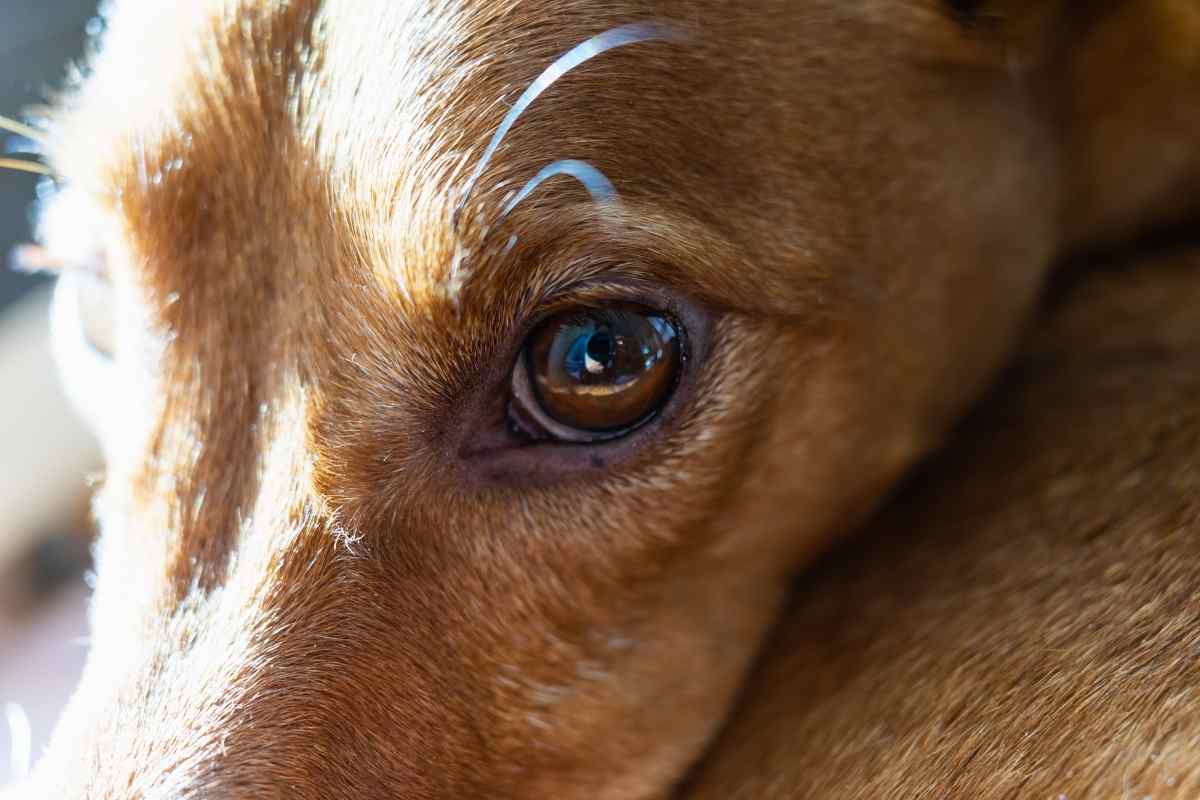
You notice a small crust in the corner of your dog’s eye one morning. At first, it seems harmless. After all, people wake up with eye crust, too. However, a few days later, the discharge becomes thicker, and your pet starts pawing at the face. Now the question becomes serious: is this normal or a warning sign?
Understanding a pet’s eye discharge is important because eye problems can worsen quickly. In many cases, early treatment prevents pain, vision damage, and costly procedures. Fortunately, most eye conditions are manageable if addressed promptly.
In this article, Parkwood Animal Hospital explains what eye discharge means, what causes it, and when you should seek help. This blog is especially helpful for pet owners in Friendswood, TX.
What Is Considered Normal Eye Discharge?
First, not every eye discharge signals disease. A small amount of clear or slightly reddish-brown tear staining may occur, especially after sleep. This mild buildup often appears in the inner corner of the eye and wipes away easily with a soft cloth.
Normal discharge typically:
- Is minimal
- Appears clear or slightly rusty
- Does not smell
- Does not cause redness or swelling
Some breeds naturally produce more tears. For example, Bulldogs, Pugs, Shih Tzus, and Persian cats often show tear staining because of facial structure and shallow eye sockets.
However, normal discharge should never increase suddenly or change color.
Types of Eye Discharge and What They Mean
Recognizing the type of discharge helps identify the underlying issue.
1. Clear and Watery
Clear tearing often results from irritation. Dust, pollen, or wind exposure may temporarily affect your pet’s eyes. Additionally, allergies commonly cause watery eyes in both dogs and cats.
Watch for sneezing or itchy skin, which frequently accompanies allergy-related pet’s eye discharge.
2. Yellow or Green
Thick yellow or green mucus almost always indicates infection. Bacteria invade the eye, producing pus and inflammation. This condition requires prompt treatment because infection can damage the cornea quickly.
3. Thick Sticky Mucus
Sticky discharge suggests dry eye (keratoconjunctivitis sicca). In this condition, the eye does not produce enough tears. Without lubrication, the eye becomes painful and irritated.
Dry eye is common in:
- Cocker Spaniels
- Bulldogs
- Shih Tzus
- Senior dogs
4. Reddish-Brown Tear Stains
Rust-colored staining usually results from excessive tearing rather than infection. However, chronic tearing can indicate blocked tear ducts or eyelid abnormalities.
Warning Signs You Should Not Ignore
Although mild discharge may be harmless, certain symptoms require immediate attention.
Watch closely if you notice:
- Red or bloodshot eyes
- Swelling around the eyelids
- Squinting or blinking excessively
- Pawing at the face
- Cloudy eye surface
- Light sensitivity
- Sudden vision changes
Eye conditions worsen rapidly. For example, a corneal ulcer can develop within 24–48 hours and may lead to permanent vision loss.
Common Causes of Eye Discharge
Several medical issues can cause abnormal discharge. Identifying the source helps determine the correct treatment.
Allergies
Environmental allergens like grass, pollen, and mold irritate the eye. Seasonal flare-ups commonly occur in warmer months.
Conjunctivitis (Pink Eye)
Inflammation of the eye lining causes redness and mucus. Bacteria, viruses, or irritants can trigger this condition.
Corneal Ulcers
Scratches from rough play, debris, or foreign objects injure the eye surface. Ulcers are painful and require immediate veterinary care.
Blocked Tear Ducts
Tears normally drain through ducts near the nose. When blocked, tears overflow and create staining and discharge.
Eyelid Problems
Conditions like entropion (eyelid rolling inward) cause eyelashes to rub against the eye, leading to chronic irritation.
Foreign Objects
Grass seeds, sand, or dust trapped in the eye can create sudden discharge and discomfort.
What You Should Do at Home
If the discharge is mild and your pet seems comfortable, you may monitor at home for 24 hours.
Safe steps include:
- Gently wipe with a damp, soft cloth
- Use sterile saline rinse (never human eye drops unless directed)
- Keep hair trimmed around the eyes
- Prevent scratching with an e-collar if needed
However, never use leftover medications or ointments. Incorrect treatment can worsen the problem.
When to Visit the Veterinarian
You should schedule an exam immediately if discharge persists longer than one day or worsens. Veterinarians use special dyes and instruments to check for scratches, ulcers, and tear production problems.
Early diagnosis prevents complications such as:
- Chronic pain
- Infection spread
- Vision impairment
- Surgical intervention
Timely treatment often involves eye drops, oral medication, or flushing the tear ducts.
Preventing Future Eye Problems
Preventive care keeps eyes healthy and comfortable.
Helpful habits:
- Clean facial folds regularly
- Keep fur trimmed around eyes
- Use parasite prevention
- Avoid dusty play areas
- Schedule routine wellness exams
Regular health checks allow veterinarians to detect subtle eye changes early, reducing future complications.
Your pet’s eyes are delicate and essential for quality of life. While minor discharge may seem harmless, changes in color, amount, or behavior often signal a medical issue. Acting early protects your pet’s comfort and vision.
For pet owners in Friendswood, TX, looking for a local veterinarian, contact Parkwood Animal Hospital to arrange an appointment. We will carefully check your pet’s eye health and recommend treatment to keep their eyes clear and comfortable.
FAQs
Q1. Can I use human eye drops on my pet?
Ans. No. Many human medications are unsafe for pets and may worsen irritation.
Q2. Is eye discharge contagious to other pets?
Ans. Some infections, like bacterial conjunctivitis, can spread through close contact.
Q3. Why does my pet only have discharge in one eye?
Ans. One-sided discharge often indicates a scratch, foreign object, or blocked tear duct.
Q4. Are certain breeds more prone to eye problems?
Ans. Yes. Flat-faced breeds and long-haired pets commonly experience eye irritation.
Q5. Can allergies cause long-term eye damage?
Ans. Yes, untreated inflammation can lead to chronic discomfort and infection.