New Client First Exam Only $28!


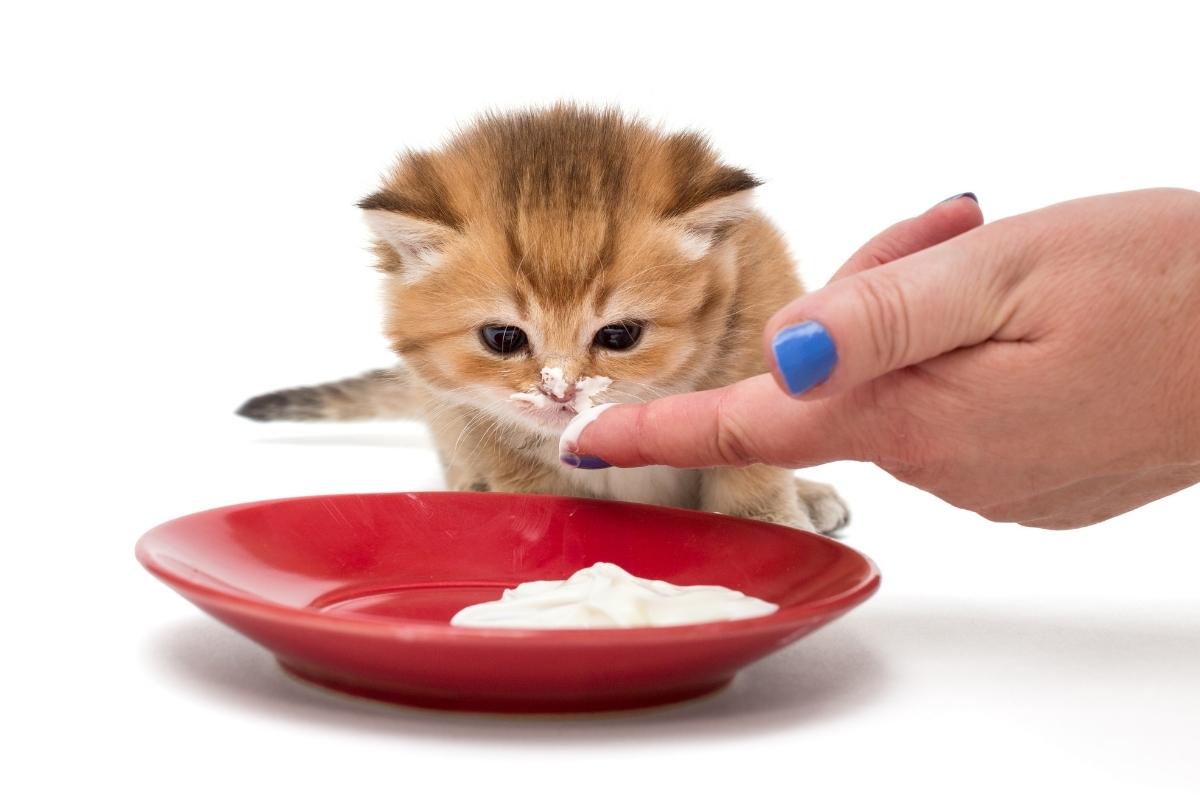
Bringing home a kitten is an exciting milestone, and providing the right nutrition from the start plays a critical role in their lifelong health. For new pet parents in Friendswood, TX, one of the most common questions veterinarians hear is whether wet food or dry food is better for kittens. The truth is that both options offer unique benefits, and understanding how they fit into your kitten’s diet can help you make confident, informed choices.
During the first year of life, kittens grow rapidly and require balanced nutrition to support bone development, immune health, and brain function. Choosing the right food early can prevent nutritional deficiencies and set the foundation for a healthy adulthood.
Understanding a Kitten’s Nutritional Needs
Kittens need more calories, protein, and essential nutrients than adult cats. Their bodies are developing quickly, which means their food must provide adequate energy, amino acids like taurine, fatty acids, vitamins, and minerals. A high-quality kitten diet supports muscle growth, digestion, vision, and a strong immune system.
Veterinarians often recommend age-specific formulas designed to meet these increased demands. This is also where pet nutrition counseling becomes valuable, as individual kittens may have unique dietary needs based on breed, activity level, or medical history.
Wet Food for Kittens: Benefits and Considerations
Wet food is a popular choice for many kitten owners due to its soft texture and high moisture content. Since kittens naturally have a low thirst drive, wet food helps keep them hydrated, which supports kidney and urinary tract health.
Benefits of wet food include:
- Higher moisture content to aid hydration
- Easier chewing for young kittens
- Strong aroma and flavor that encourage picky eaters
Wet food is especially beneficial for kittens transitioning from nursing or those that struggle with dry kibble. However, it does have a shorter shelf life once opened and can be more expensive over time.
Dry Food for Kittens: Benefits and Considerations
Dry food is convenient, cost-effective, and easy to store. Many kitten formulas are designed to support dental health by gently scraping plaque from the teeth as kittens chew.
Benefits of dry food include:
- Longer shelf life and easy storage
- Convenient for free-feeding
- Supports chewing and jaw development
That said, dry food contains less moisture, which means kittens must drink enough water to stay hydrated. For this reason, dry food should always be paired with access to fresh water.
Should You Feed Wet Food, Dry Food, or Both?
For many kittens, a combination of wet and dry food offers the best of both worlds. Mixed feeding provides hydration benefits from wet food while maintaining the convenience and dental advantages of dry food. Feeding schedules can include wet food at mealtimes and dry food for grazing throughout the day.
Your veterinarian may recommend a customized plan based on your kitten’s growth, digestion, and lifestyle. Ongoing pet nutrition Counseling ensures that your kitten receives balanced nutrition as their needs change.
How Much and How Often Should Kittens Eat?
Kittens typically need to eat three to four small meals per day until about six months of age. Portion sizes depend on weight, age, and activity level, so it’s important to follow feeding guidelines on the food packaging and adjust as advised by your veterinarian.
Overfeeding can lead to unhealthy weight gain, while underfeeding may slow growth. Regular wellness visits help monitor progress and make timely adjustments to your kitten’s diet.
When to Seek Veterinary Guidance
If your kitten experiences digestive upset, poor appetite, or slow growth, it’s important to consult a veterinarian. Nutritional imbalances can quickly affect a kitten’s health, but early intervention helps prevent long-term issues.
At Parkwood Animal Hospital, veterinary professionals help pet owners understand kitten nutrition and make confident dietary decisions through personalized guidance. This support is especially valuable for families raising kittens in Friendswood, TX, where access to trusted veterinary care ensures peace of mind during every stage of development.
Giving Your Kitten the Best Start
Choosing between wet and dry food doesn’t have to be confusing. With the right balance, proper portions, and professional guidance, your kitten can thrive. Nutrition is not a one-size-fits-all decision, and what works best may change as your kitten grows.
If you’re unsure which feeding plan is right for your kitten, schedule your appointment at Parkwood Animal Hospital to receive expert advice tailored to your pet’s needs and lifestyle in Friendswood, TX.
FAQs:
Q1. Is wet food better than dry food for kittens?
Ans. Both have benefits. Wet food supports hydration, while dry food offers convenience and dental support. Many kittens do well on a combination.
Q2. How often should I feed my kitten each day?
Ans. Most kittens need three to four meals per day until six months of age.
Q3. Can kittens eat adult cat food?
Ans. No. Adult cat food does not provide the calories or nutrients kittens need for growth.
Q4. How do I know if my kitten is eating enough?
Ans. Healthy weight gain, good energy levels, and normal stools are positive signs. Your veterinarian can confirm during wellness exams.
Q5. Should I change my kitten’s food as they grow?
Ans. Yes. Nutritional needs change with age, and gradual transitions help avoid digestive upset.
Q6. When should I seek veterinary advice about nutrition?
Ans. Any time your kitten shows appetite changes, digestive issues, or slow growth, professional guidance is recommended.