New Client First Exam Only $28!


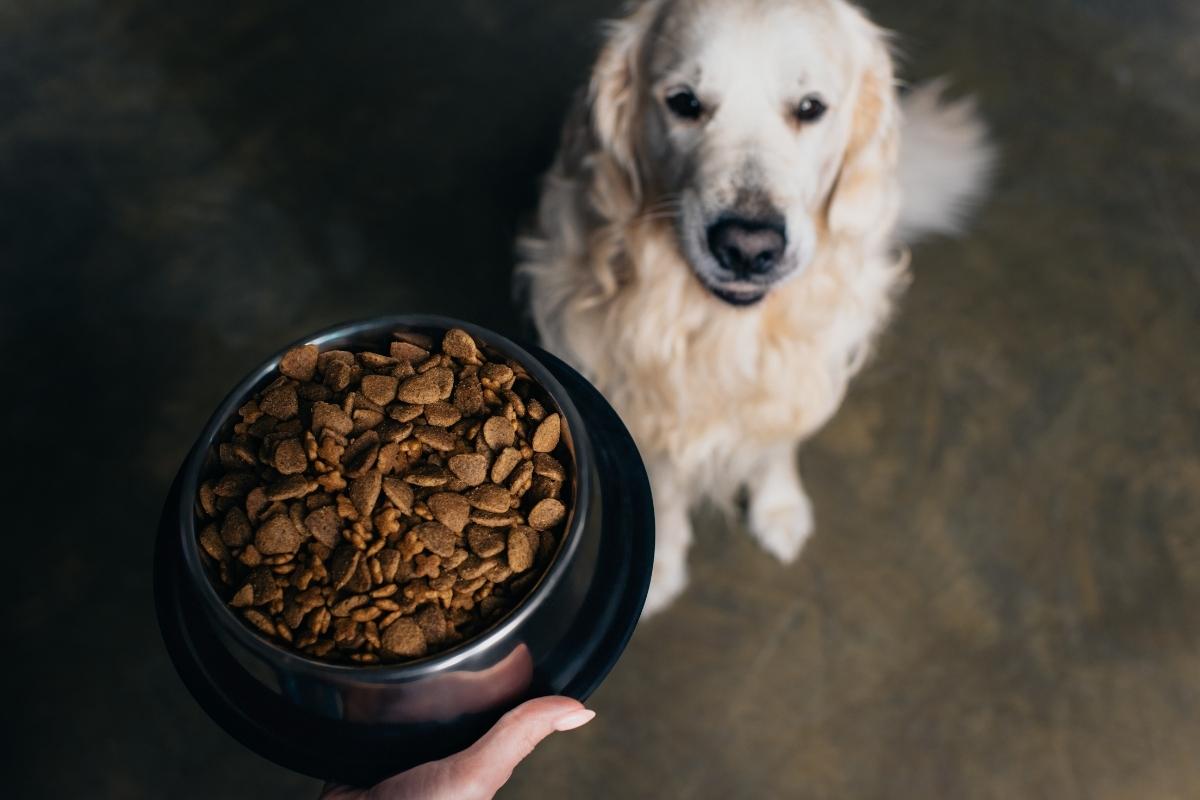
Managing diabetes in dogs can feel overwhelming at first, but the right diet can make a huge difference in keeping your pet healthy, energetic, and comfortable. Food plays a key role in controlling blood sugar spikes, supporting weight balance, and improving overall well-being. Understanding what to feed—and what to avoid—helps you confidently support your dog’s long-term health. In this guide, we’ll break down the safest food choices for diabetic dogs and explain how proper nutrition fits into effective diabetes management.
Understanding Diabetes in Dogs
Diabetes in dogs occurs when the body can’t regulate blood sugar properly. Most dogs experience insulin-dependent diabetes, meaning they need insulin injections along with a structured diet.
A well-planned diet helps by:
- Maintaining steady blood sugar levels
- Reducing the risk of sudden glucose spikes
- Supporting weight management
- Improving energy and quality of life
Best Food Types for Dogs With Diabetes
1. High-Fiber Foods
Fiber slows digestion and improves glucose control. Both soluble and insoluble fiber are helpful.
Great high-fiber options include:
- Green beans
- Carrots
- Broccoli
- Pumpkin puree (unsweetened)
2. Lean Proteins
Quality protein helps maintain muscle mass without causing blood sugar fluctuations.
Safe lean proteins:
- Skinless chicken
- Turkey
- Eggs
- White fish
- Lean beef cuts
3. Low-Glycemic Carbohydrates
Slow-digesting carbs support steadier glucose levels.
Top choices:
- Sweet potatoes (in moderation)
- Barley
- Quinoa
- Brown rice
4. Prescription Diabetic Dog Foods
Veterinarians often recommend prescription diets formulated specifically for diabetic dogs. These diets maintain consistent carb levels and are clinically designed to support glucose control.
Common characteristics:
- Controlled fiber content
- Moderate fat
- Balanced protein
- Low-glycemic carbs
Foods to Avoid in Diabetic Dog Diets
High-Sugar Foods
These cause immediate blood sugar spikes:
- Bread
- Corn
- White rice
- Treats with honey, syrup, or molasses
High-Fat Foods
Fat can interfere with insulin effectiveness.
- Fried foods
- Sausages
- High-fat cheese
- Fatty meat scraps
Free-Feeding
Leaving food available all day can disrupt blood sugar regulation. Diabetic dogs need scheduled feeding times aligned with insulin doses.
How to Build a Safe Feeding Routine for Diabetic Dogs
1. Maintain Strict Meal Timing
Feed your dog at the same time each day. Consistency helps insulin work effectively.
2. Monitor Portion Sizes
Measure meals carefully to avoid overfeeding. Small changes can impact glucose levels.
3. Offer Healthy Treats Only
Choose low-sugar, high-fiber snacks such as:
- Frozen green beans
- Small carrot sticks
- Baked chicken pieces
4. Stay Consistent With Diet Choices
Avoid switching food brands or recipes abruptly. Sudden changes can destabilize blood sugar.
Conveniently located in Friendswood, if you are searching for a veterinarian in Friendswood who offers nutritional counseling, then Parkwood Animal Hospital & Boarding is the ideal choice for your pet. Their dedicated veterinary team provides personalized diet planning services to support your pet’s long-term health and well-being.
When to Contact Your Veterinarian
Monitoring a diabetic dog requires partnership with your vet. Contact your veterinarian if you notice:
- Increased thirst or urination
- Sudden changes in appetite
- Lethargy
- Vomiting or diarrhea
- Confusion or disorientation
These may indicate blood sugar imbalance or complications that need immediate attention.
Feeding a diabetic dog doesn’t have to be complicated. With the right nutrient balance—lean proteins, controlled carbohydrates, and plenty of fiber—you can help your dog maintain stable blood sugar and enjoy a healthier, happier life. Consistency is key, and partnering with your vet ensures the safest, most effective plan for your pet. With thoughtful food choices, you can confidently support your dog’s diabetes management every day.
Frequently Asked Questions:
Q1: What is the best food to feed a diabetic dog?
Ans: The best diet includes high fiber, lean protein, and low-glycemic carbs. Many dogs benefit from prescription diabetic formulas tailored to control blood sugar levels safely and consistently.
Q2: Can diabetic dogs eat treats?
Ans: Yes, but only low-sugar, low-carb treats in moderation. Options like carrot sticks, green beans, or freeze-dried chicken work well without affecting glucose levels significantly.
Q3: Are grain-free diets good for diabetic dogs?
Ans: Not necessarily. Grain-free foods can still contain high-glycemic starches like potatoes or legumes. Focus on fiber and glycemic balance rather than avoiding grains.
Q4: How often should a diabetic dog eat?
Ans: Most diabetic dogs need two evenly spaced meals per day, coordinated with insulin injections to maintain stable blood sugar levels.
Q5: Can homemade meals work for diabetic dogs?
Ans: Yes, but they must be carefully balanced. Always work with your veterinarian or a veterinary nutritionist to ensure the meal meets your dog’s medical needs.
Q6: What vegetables are safe for dogs with diabetes?
Ans: Low-glycemic, high-fiber vegetables like broccoli, spinach, zucchini, green beans, and carrots are excellent choices.