New Client First Exam Only $28!



That adorable puppy bouncing around your living room will soon face one of the biggest medical decisions of their life—and you’re the one who has to make it. The spay or neuter conversation stirs up plenty of emotions, myths, and genuine concerns among dog parents everywhere.
Let’s clear something up right away: spaying and neutering aren’t the same procedure, though people often use these terms interchangeably. Understanding what actually happens during each surgery, along with the real benefits and risks, helps you make the best choice for your four-legged family member.
Spaying vs. Neutering: The Key Differences
What Happens During Spaying (Females)
Spaying involves removing your female dog’s reproductive organs—specifically the ovaries and usually the uterus too. It’s a major abdominal surgery requiring a several-inch incision through muscle layers to access internal organs.
Your vet carefully removes these organs, checks for bleeding, and then closes multiple tissue layers with sutures. The entire procedure takes 20-90 minutes, depending on your dog’s size and age.
The Neutering Procedure (Males)
Neutering is typically simpler since testicles sit outside the body cavity. Your vet makes a small incision just forward of the scrotum, removes both testicles, and ties off blood vessels and spermatic cords.
The procedure usually takes 5-20 minutes for young dogs. Older or larger males might need extra time if tissues have developed more extensively. The scrotum itself stays intact but shrinks over time.
Medical Benefits for Your Dog
Female Health Advantages
Spaying before your dog’s first heat cycle drops breast cancer risk to nearly zero—pretty amazing considering intact females face a 25% chance of developing mammary tumors. Each heat cycle increases cancer risk, making early spaying particularly protective.
You’ll also eliminate pyometra risk, a life-threatening uterine infection affecting 25% of unspayed females by age 10. Emergency pyometra surgery costs thousands and carries higher risks than routine spaying.
Male Health Benefits
Neutering completely prevents testicular cancer and significantly reduces prostate problems. While testicular cancer isn’t usually fatal, treatment requires surgery anyway—might as well prevent it entirely.
Benign prostatic hyperplasia affects 80% of intact males over five years old, causing uncomfortable urination and defecation. Neutering shrinks the prostate within weeks, relieving these symptoms.
Behavioral Changes to Expect
How Spaying Affects Female Behavior
Spayed females won’t experience heat cycles anymore—no more bloody discharge, excessive urination, or escape attempts every six months. Those mood swings disappear too, creating a more consistent temperament year-round.
Some spayed females become calmer overall, though personality changes vary greatly. Food motivation might increase, requiring portion control to prevent weight gain.
Neutering’s Impact on Male Dogs
About 60% of neutered males show reduced urine marking indoors. Roaming decreases in 90% of cases since they’re not searching for females in heat. Mount behavior often decreases but doesn’t always disappear completely.
Aggression changes prove unpredictable—some dogs mellow out while others show no difference. Don’t count on neutering alone to fix serious aggression issues.
Timing Considerations
Age Recommendations by Size
Small breed dogs (under 25 pounds) traditionally get fixed around 6 months old. Their growth plates close earlier, making this timing generally safe without affecting adult size.
Large and giant breeds benefit from waiting until 12-18 months, allowing growth plates to close naturally. Early neutering in big dogs is linked to increased joint problems and certain cancers.
Special Circumstances
Shelter puppies often undergo early procedures at 8-12 weeks old. While safe when performed by experienced vets, these puppies need special anesthetic protocols and careful monitoring.
Medical issues might necessitate delaying surgery. Dogs with heart murmurs, bleeding disorders, or other health concerns need stabilization first.
Recovery and Aftercare
The First 24-48 Hours
Your groggy pup needs a quiet, comfortable space away from stairs and other pets initially. Appetite might decrease temporarily—that’s normal as long as they’re drinking water.
Pain medications keep discomfort manageable. Never skip doses, thinking your dog seems fine; dogs hide pain well, and staying ahead of discomfort speeds healing.
Long-Term Recovery Timeline
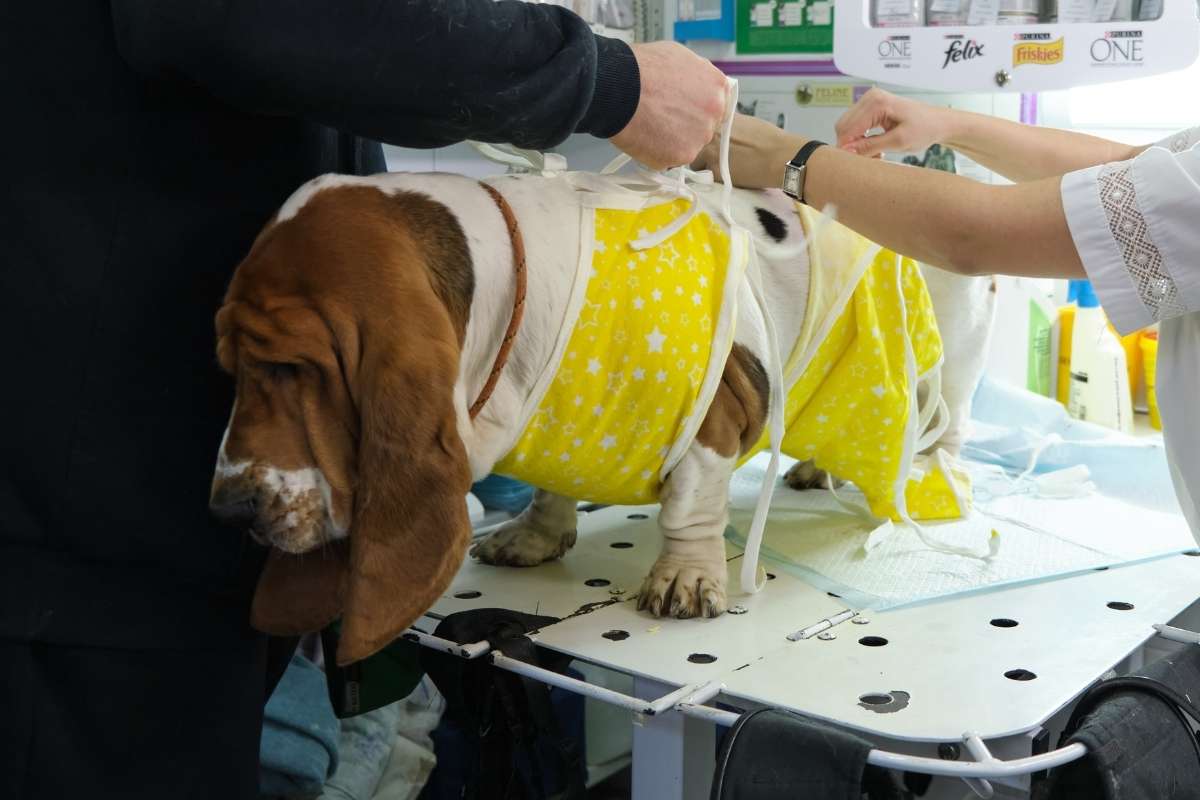
Females typically need 10-14 days for incision healing, while males often feel normal within 7-10 days. Those cone collars stay on the full duration despite the pitiful looks you’ll receive.
Activity restriction lasts two weeks minimum—no jumping, running, or rough play. Leash walks only for bathroom breaks. Yes, your dog will protest. Stand firm.
For those seeking experienced surgical care with excellent recovery support, specialized pet surgery in Friendswood facilities or your local veterinary surgical centers provide comprehensive spay/neuter services with detailed aftercare guidance.
Common Myths Debunked
Weight Gain Isn’t Inevitable
Fixed dogs don’t automatically become obese. Metabolism does slow slightly, but adjusting food portions and maintaining exercise prevents weight gain. Blame the couch, not the surgery.
Personality Remains Intact
Your goofy, playful pup won’t become a different dog post-surgery. Core personality traits stay the same—you’re removing hormones, not rewiring their brain.
Males Don’t Need to Breed First
That old myth about dogs needing one litter or mating experience? Complete nonsense. Dogs don’t miss what they’ve never experienced.
The spay/neuter decision shapes your dog’s entire future health trajectory. While both procedures carry surgical risks, the long-term benefits—from cancer prevention to population control—typically outweigh temporary discomfort and expense.
Talk with your veterinarian about timing based on your dog’s breed, size, and individual health factors. There’s no universal perfect age, but there is a right choice for your specific situation.
Frequently Asked Questions:
Q1: Will my dog’s growth be stunted if fixed too early?
Ans: Early procedures might actually cause slightly taller growth since growth plates stay open longer without sex hormones. Height increases slightly, but muscle mass might decrease.
Q2: Can spaying or neutering be reversed?
Ans: No, these procedures permanently remove reproductive organs. Once done, your dog cannot produce offspring even if you change your mind later.
Q3: Do fixed dogs live longer than intact dogs?
Ans: Studies show spayed females live 23% longer and neutered males 18% longer on average. Reduced disease risk and fewer risky behaviors contribute to increased lifespan.
Q4: Should I wait until after my female’s first heat?
Ans: Veterinary consensus recommends spaying before first heat for maximum cancer protection. Each heat cycle increases cancer risk, though some large breed owners wait for orthopedic reasons.
Q5: Will neutering calm my hyperactive dog?
Ans: Neutering reduces hormone-driven behaviors but won’t fix general hyperactivity. High-energy dogs need exercise and training regardless of reproductive status.