New Client First Exam Only $28!


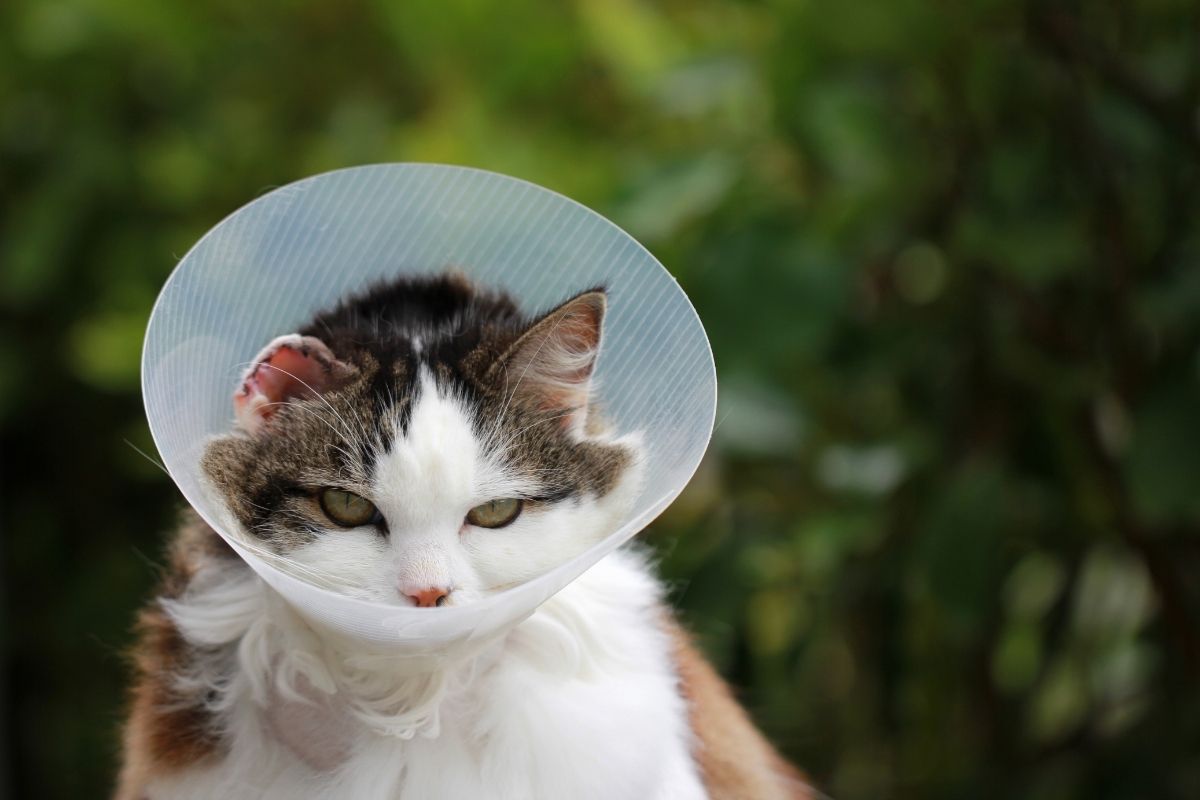
Facing the prospect of pet surgery can be stressful for any pet owner. Whether it’s a routine procedure like a spay or neuter or a more complex surgery, being well-prepared can make a significant difference in your pet’s experience and recovery. Proper preparation helps minimize risks, reduces anxiety for both you and your pet, and ensures that the surgery goes as smoothly as possible. Here’s everything you need to know about how to prepare your pet for surgery.
1. Follow Your Veterinarian’s Instructions Exactly
Before any surgery, your veterinarian will provide detailed instructions tailored to your pet’s specific needs. These often include fasting guidelines—typically, pets should not eat for 8 to 12 hours before surgery to reduce the risk of complications with anesthesia. Water may also be restricted for a few hours prior. It’s critical to adhere strictly to these instructions, as any deviation can affect the safety and success of the surgery.
2. Schedule a Pre-Surgical Health Check
Most veterinarians recommend a thorough health examination before surgery, including blood tests and possibly other diagnostic screenings. This ensures your pet is healthy enough to undergo anesthesia and surgery safely. If your pet is older or has pre-existing health conditions, this step becomes even more important to detect any underlying issues that may need to be addressed beforehand.
3. Prepare a Calm Environment
Pets can pick up on your emotions, so staying calm and composed before surgery will help reduce your pet’s stress. On surgery day, maintain your pet’s routine as much as possible to provide a sense of normalcy. You can also bring along a favorite toy, blanket, or item with your scent to help comfort your pet at the clinic.
4. Arrange Safe Transportation
Make sure you have reliable transportation to and from the veterinary clinic. Bring your pet’s medical records, a list of any current medications, and any other documents the vet might need. Being punctual is important, as surgical schedules are usually tight and your veterinarian will need to prepare for your pet’s procedure.
5. Discuss Pain Management and Post-Surgery Care Plans
Before surgery, ask your veterinarian about pain management strategies and what to expect during recovery. Understanding the medications your pet will receive, how to administer at-home treatments, and activity restrictions can help you better support your pet’s healing process. Clear communication ensures that you’re prepared to care for your pet effectively once they come home.
6. Prepare a Recovery Area at Home
After surgery, your pet will need a quiet, comfortable space to rest and heal. Prepare a warm, soft area away from other pets or children where your pet can recuperate undisturbed. Make sure this spot is easily accessible for you to monitor and assist with feeding, medication, or bathroom needs.
7. Monitor Your Pet Closely After Surgery
When your pet returns home, watch for signs of discomfort, infection, or unusual behavior such as excessive lethargy, loss of appetite, or swelling around the surgical site. Follow your vet’s instructions for medications and wound care carefully. Keep your pet calm and restrict physical activity to prevent injury or strain on healing tissues.
Preparing your pet for surgery may seem daunting, but taking the right steps can help ease the process and support a safe, smooth recovery. Parkwood Animal Hospital & Boarding can help you out on this. It’s essential to follow your veterinarian’s pre-operative instructions closely, including any fasting guidelines or medication restrictions. Create a calm, comfortable space at home for your pet to rest after surgery, and monitor them closely for any changes in behavior, appetite, or mobility.
If you’re considering pet surgery in Friendswood, TX, Parkwood Animal Hospital & Boarding offers guidance and support throughout the entire process. Open communication with your veterinary team is key—they can provide personalized advice to ensure your pet’s procedure and recovery go as safely and stress-free as possible.