New Client First Exam Only $28!


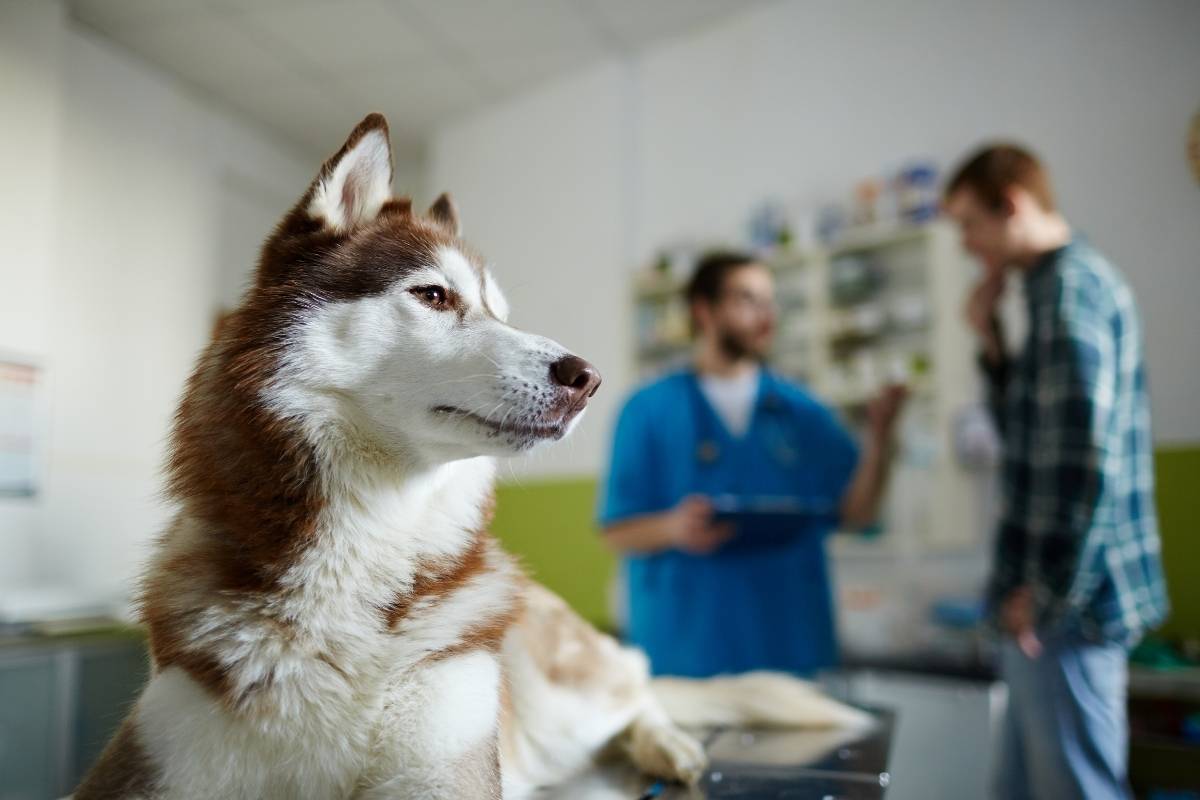
When it comes to your pet’s health, it’s essential to ensure they receive the best care possible, whether for routine checkups, specialized treatments, or emergencies. Knowing the differences between general practice, specialty, and emergency veterinary clinics can help you choose the right place for your pet’s specific needs. Each type of clinic has a unique role, and understanding when and why to visit each one is key to keeping your pet healthy.
Understanding The Different Types of Vet Clinics
Veterinary clinics vary, including general practice, specialty, and emergency care clinics. Each type of clinic offers a distinct set of services, expertise, and care options tailored to different situations and pet needs.
- General Practice Clinics: These clinics are the most common type of veterinary practice. They provide routine care, vaccinations, wellness exams, and basic treatments. General practice veterinarians are your first contact for your pet’s daily health needs.
- Specialty Clinics: These clinics are for pets with specific health issues or complex needs. Veterinarians with specialized training in areas such as heart health, surgery, cancer treatment, or skin conditions staff these clinics.
- Emergency Care Clinics: These clinics provide quick care for pets in urgent or serious health situations. They operate outside regular hours to ensure pets receive immediate attention when they are critically ill.
General Practice Clinics for Your Pet’s Routine Care
General practice veterinary clinics are the first step in caring for your pet’s health. They offer a range of services, including regular check-ups, vaccinations, and preventive treatments. These clinics also provide care for common illnesses and injuries and are a good option for general advice and consultations.
- Wellness and Preventive Care: Regular check-ups, vaccinations, flea and tick prevention, and dental care are the cornerstone of general practice clinics.
- Common Illnesses and Injuries: General practitioners are equipped to diagnose and treat the most common health issues, such as infections, minor injuries, and parasites.
- Routine Procedures: This includes spaying/neutering, dental cleanings, and microchipping.
General practice clinics offer dependable care, helping your pet stay healthy with regular visits. They are a helpful resource for advice on diet, behavior, and overall well-being. Whether your pet has minor health issues or just needs a routine check-up, this is the place to go.
Specialty Clinics for Specific Conditions
Specialty vet clinics are designed to care for pets with more complex health needs. These clinics are usually staffed by veterinarians with advanced training and certifications in a specific area of veterinary medicine.
- Specialized Treatments and Diagnostics: For conditions such as heart disease, cancer, orthopedic problems, or neurological issues, specialty clinics offer advanced diagnostics, including MRIs, CT scans, and specialized lab tests.
- Specialized Care: Whether your pet needs specialized surgery, chemotherapy, or physical therapy, specialty clinics offer in-depth treatment plans tailored to the specific condition.
- Consultation and Referral: Often, your general practice veterinarian will refer your pet to a specialty clinic if they are unable to diagnose or treat a specific issue.
Visiting a specialty clinic is recommended for pets with chronic or complex conditions requiring targeted treatment. If your pet’s condition falls outside routine care or involves a severe disease, a specialty clinic can provide specialized care to support effective management.
Emergency Care Clinics for Critical Situations
Emergency care clinics are open outside regular business hours, often 24/7, and are designed to provide urgent treatment for life-threatening situations. These clinics handle emergencies such as severe trauma, poisoning, breathing difficulties, or sudden illness.
- 24/7 Availability: Emergency clinics provide around-the-clock care for pets in critical conditions, especially when your regular vet is closed.
- Critical Care: These clinics are equipped to handle situations that require immediate attention, such as broken bones, seizures, or accidents.
- Life-Saving Interventions: If your pet is in a life-threatening situation, emergency clinics have the staff, equipment, and expertise to stabilize and treat your pet promptly.
Emergency care clinics are the best place to go when your pet is facing a sudden, severe health crisis. Whether it’s due to an accident or a sudden illness, these clinics are equipped to handle immediate care, which can be life-saving.
Know Where to Go for Your Pet’s Health
Knowing the different types of veterinary clinics ensures your pet receives appropriate care promptly. Regular visits to a general practice monitor health, while specialty and emergency clinics address urgent or specialized needs.
If you’re looking for general, specialty, or emergency services in Friendswood, TX, Parkwood Animal Hospital provides comprehensive emergency care for your pet. Get the quick, compassionate, and professional emergency services to ensure your pet receives the care they need when it matters the most.
FAQs
Q1. Do specialty clinics require a referral from a general practice vet?
Ans: Yes, most specialty clinics require a referral from a general practice vet, especially for complex or chronic conditions. Your regular vet will guide you through the referral process.
Q2. What is considered a routine visit at a general practice clinic?
Ans: Routine visits at general practice clinics include wellness exams, vaccinations, dental care, flea/tick prevention, and general health check-ups to monitor your pet’s overall health.
Q3. What’s the difference between urgent care and emergency care for pets?
Ans: Urgent care involves non-life-threatening issues that require timely treatment, while emergency care is for life-threatening conditions that require immediate, critical intervention.
Q4. Can emergency clinics handle surgery?
Ans: Yes, emergency clinics are equipped to handle surgeries for critical conditions, such as trauma, internal injuries, or other urgent needs that require immediate surgical intervention.
