New Client First Exam Only $28!


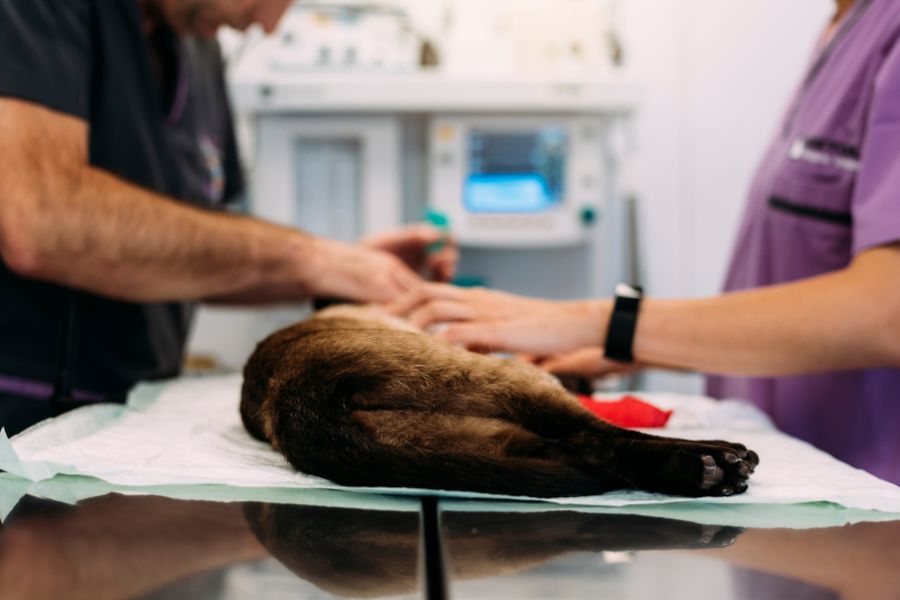
Diabetes isn’t just a human condition—it affects our furry friends too. As a loving pet owner, it’s important to recognize the subtle and not-so-subtle signs of diabetes in pets. It’s a good idea to keep an eye on your pet for the first 24 to 48 hours after their surgery.
In this blog post, we’ll explore the warning signs of pet diabetes, how it affects cats and dogs, and what steps you can take to keep your companion healthy and happy.
Understanding Pet Diabetes: A Quick Overview
Just like in people, diabetes can affect our furry friends when their bodies struggle to keep blood sugar levels in check.
This can be due to either a lack of insulin (Type I) or a reduced response to insulin (Type II). Though more common in older animals, even young pets can be affected.
Dogs tend to be more prone to Type I diabetes, whereas cats usually deal with Type II. However, the impact is serious in both cases, and without treatment, it can lead to life-threatening complications.
Early Warning Signs You Should Never Ignore
1. Excessive Thirst and Urination
One of the key indicators that your pet might have diabetes is an increase in thirst, known as polydipsia, along with frequent urination, referred to as polyuria.
If your pet suddenly starts drinking large amounts of water and needs to go outside more often, this could be an early red flag.
2. Noticeable Weight Loss Despite Normal Appetite
If your pet continues eating normally—or even eats more—but still loses weight, it may be a sign of diabetes. The body isn’t able to use glucose properly, so it starts breaking down fat and muscle for energy.
3. Fatigue and Low Energy
Diabetic pets often appear sluggish. They may no longer show interest in play or daily walks, and might sleep more than usual.
4. Cloudy Eyes in Dogs
This is especially common in diabetic dogs. If your dog’s eyes appear cloudy or hazy, consult your vet promptly—it might be the onset of cataracts caused by uncontrolled diabetes.
5. Vomiting or Dehydration
In later stages, diabetes can trigger more severe symptoms like vomiting, dehydration, or even collapse. These signs indicate an emergency and require immediate medical attention.
How Cats and Dogs Differ with Diabetes
Although many signs overlap, cats and dogs can show different behavioral changes. For instance, cats with diabetes frequently experience weakness in their hind legs because of nerve damage, which leads them to walk in a flat-footed manner.
In contrast, dogs may develop cataracts and lose their vision quickly if the condition isn’t treated.
Always monitor changes in your pet’s normal behavior, whether subtle or sudden.
Why Diagnosis and Veterinary Support Matter
Recognizing symptoms is only half the battle. A confirmed diagnosis can only come from a vet through blood tests and urine analysis. With proper treatment, diabetic pets can lead long and joyful lives.
Treatment typically involves:
- Insulin injections (daily or twice daily)
- Dietary adjustments
- Regular exercise
- Routine checkups
Make sure to work closely with your veterinarian. If you’re searching for a reliable vet in Friendswood, pet parents trust, choose clinics that provide individualized care and comprehensive diabetic management plans.
How Diet and Lifestyle Impact Diabetes in Pets
Once diagnosed, your pet’s diet plays a crucial role. High-fiber, low-carb diets help stabilize blood sugar levels. Avoid giving treats loaded with sugar and ensure your pet gets regular physical activity.
Keeping a routine is also essential. Feed your pet at the same time each day and administer insulin as directed. Consistency supports better glucose control.
Pet diabetes may sound daunting, but with awareness and timely care, it’s a manageable condition. Be observant. Look for changes in thirst, appetite, energy, and behavior. Early diagnosis is key, and regular vet visits will make a significant difference.
By staying informed and involved, you’re giving your pet the best shot at a happy, healthy life.
🧠 FAQs About Pet Diabetes
1. Can diabetes in pets be reversed?
A: No, but it can be managed effectively with medication, diet, and regular veterinary care.
2. How often should diabetic pets be monitored?
A: Frequent glucose checks, especially in the early weeks of treatment, are essential. Your vet may recommend regular blood work and urine tests.
3. Are certain breeds more at risk?
A: Yes. Poodles, Dachshunds, and Miniature Schnauzers are more prone among dogs, while Burmese cats have a higher risk.
4. Is insulin safe for long-term use in pets?
A: Absolutely. With proper dosage and vet supervision, insulin is safe and can dramatically improve your pet’s quality of life.
5. Can I test my pet’s blood sugar at home?
A: Yes, home glucose monitors are available. Your vet can guide you on how to use them correctly.