New Client First Exam Only $28!


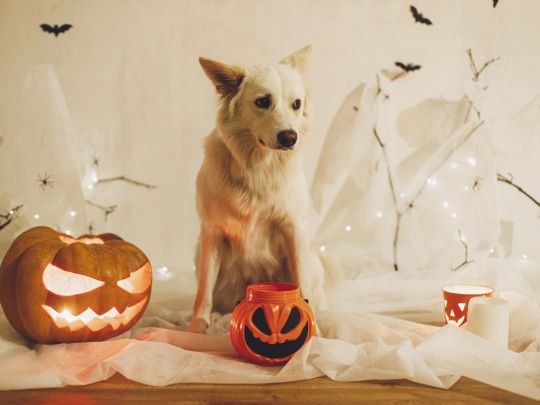
Halloween is a time for costumes, decorations, and gatherings with family and friends. Many pet owners in Friendswood enjoy including their dogs and cats in these celebrations. However, choosing a Halloween costume for your pet requires more consideration than simply finding an attractive outfit.
An improperly fitted costume can restrict movement, cause skin irritation, or create choking hazards. At Parkwood Animal Hospital & Boarding, we encourage pet owners to prioritize their animals’ safety and comfort when planning Halloween activities. Consulting a veterinarian in Friendswood can also help you determine whether dressing up is appropriate for your pet.
Understanding what makes a costume safe can help you prepare your dog or cat for Halloween without compromising their well-being.
What Should You Look for in a Safe Halloween Costume for Pets?
A safe Halloween costume should allow your pet to move, breathe, see, and behave normally. The outfit should fit comfortably without placing pressure on sensitive areas of the body.
Consider the following factors when selecting a costume:
- Proper fit: Choose clothing that does not restrict the neck, chest, abdomen, or legs.
- Breathable materials: Lightweight fabrics help reduce the risk of overheating.
- Unrestricted vision: Avoid masks, hats, or accessories that obstruct your pet’s eyesight.
- Secure attachments: Costumes should not contain loose decorations that pets could chew or swallow.
- Easy removal: Choose outfits that you can remove quickly if your pet becomes uncomfortable.
Before purchasing a costume, check its construction carefully. An outfit that looks comfortable may still interfere with your pet’s normal movement.
Which Halloween Costume Accessories Can Be Dangerous for Dogs and Cats?
Certain costume accessories can create serious health risks, particularly for pets that frequently chew unfamiliar objects.
- Small buttons, plastic decorations, beads, and detachable ornaments may become choking hazards. If swallowed, these items could also cause gastrointestinal obstruction.
- Long ribbons, strings, and loose fabric may become tangled around your pet’s legs or neck. Tight elastic bands can irritate the skin or restrict circulation.
- Avoid costumes containing sharp attachments, excessive glitter, or materials that shed easily.
Pet owners in Friendswood should also consider outdoor temperatures when selecting costumes. Heavy fabrics can trap body heat, increasing the risk of overheating during Halloween gatherings.
How Can You Tell if Your Dog or Cat Dislikes Wearing a Costume?
Not every pet feels comfortable wearing clothing. Dogs and cats may display subtle behavioral changes when an outfit causes discomfort or anxiety.
Common warning signs include:
- Freezing or refusing to walk
- Repeated scratching or biting at the costume
- Hiding or attempting to escape
- Flattened ears or a tucked tail
- Excessive panting, drooling, or restlessness
- Growling, hissing, or unusual vocalization
Remove the costume immediately if your pet shows signs of distress.
Some pets return to normal behavior once the clothing is removed. However, persistent discomfort, unusual breathing, or ongoing behavioral changes may require veterinary attention.
How Should You Introduce a Halloween Costume to Your Pet?
Introducing a costume gradually can help you determine whether your dog or cat will tolerate wearing it.
- Begin several days before Halloween by allowing your pet to investigate the outfit. Let them sniff the material without forcing contact.
- Next, place the costume on your pet briefly while offering praise or a suitable treat. Observe their movement and behavior throughout the process.
- If your pet remains relaxed, you may gradually extend the wearing time. However, never force an animal to wear clothing when it shows signs of fear or discomfort.
- Always supervise your pet while it is dressed, and remove the costume before leaving it unattended.
How Can You Keep Your Pet Safe During Halloween Parties?
Halloween parties often involve unfamiliar visitors, loud conversations, decorations, and frequent doorbell activity. These situations can be stressful for some animals.
To help protect your pet during celebrations:
- Provide a quiet room where your pet can rest away from guests.
- Keep chocolate, candy, and food wrappers out of reach.
- Make sure your pet has access to fresh drinking water.
- Keep identification tags secure and ensure microchip information is current.
- Supervise interactions between pets, children, and party guests.
If your pet has a history of anxiety or discomfort around crowds, discuss Halloween precautions with your veterinary team beforehand.
Dr. Stehouwer can help assess individual concerns, including respiratory conditions, mobility limitations, and skin sensitivities that may affect costume tolerance.
If your pet develops persistent irritation or unusual behavior, contact a vet near you for further evaluation.
For suspected choking, difficulty breathing, or collapse, call our animal hospital now during operating hours or seek immediate care from an emergency veterinary facility.
When Should You Avoid Dressing Your Pet for Halloween?
Some pets may be more vulnerable to costume-related discomfort because of their age, physical condition, or medical history.
Dogs and cats with arthritis may find restrictive clothing painful. Pets with respiratory problems may struggle with costumes that put pressure on the chest or neck.
Animals with skin allergies may also develop irritation from certain fabrics.
If your pet has an existing health condition, consult our veterinarian in Friendswood before Halloween to determine whether a costume is appropriate.
Remember, your pet doesn’t need a costume to participate in Halloween celebrations. A comfortable, supervised alternative may be more suitable.
Prepare Your Dog or Cat for a Safe Halloween Celebration
Choosing a Halloween costume involves more than appearance. Proper fit, breathable materials, secure accessories, and careful supervision are important to protect your pet throughout the celebration.
At Parkwood Animal Hospital & Boarding, we help pet owners in Friendswood, Pearland, League City, and nearby Texas communities address concerns about their animals’ health and safety.
Whether your pet has an existing medical condition or you are unsure about participating in Halloween activities, our veterinary team is available to discuss appropriate precautions.
Call our hospital at +1 281-648-7387 to schedule an appointment with our veterinarian in Friendswood. Our team can help you make informed decisions about your pet’s health, comfort, and safety before Halloween celebrations begin.
Frequently Asked Questions
1. Can Halloween costumes cause breathing problems in dogs and cats?
Ans: Yes. Tight costumes can restrict chest movement or place pressure around the neck. Remove the outfit immediately if your pet shows breathing discomfort. Persistent difficulty breathing requires emergency veterinary attention.
2. How long can a dog or cat safely wear a Halloween costume?
Ans: There is no specific duration suitable for every pet. Begin with short, supervised periods and monitor your pet’s behavior. Remove the costume whenever your pet shows signs of discomfort, overheating, or anxiety.
3. Are Halloween costumes safe for puppies and kittens?
Ans: Puppies and kittens may chew costume accessories or become tangled in loose fabric. Choose simple outfits without detachable decorations and supervise them closely. Consult our veterinary team if you have concerns about your young pet’s safety.
4. What should I do if my pet develops skin irritation from a costume?
Ans: Remove the costume and inspect the affected area for redness, swelling, or hair loss. Avoid applying human creams or medications without veterinary guidance. Schedule an examination if the irritation persists or worsens.
5. Should senior pets wear Halloween costumes?
Ans: Senior pets may have arthritis, reduced mobility, or sensitive skin, which can make costumes uncomfortable. Lightweight accessories may be easier to tolerate, but participation should depend on the individual animal’s health and behavior.
6. When should I contact a veterinarian after a Halloween costume-related incident?
Ans: Seek veterinary advice if your pet develops persistent discomfort, vomiting after swallowing costume material, or significant skin irritation. Difficulty breathing, collapse, or suspected choking requires immediate emergency attention.

