New Client First Exam Only $28!


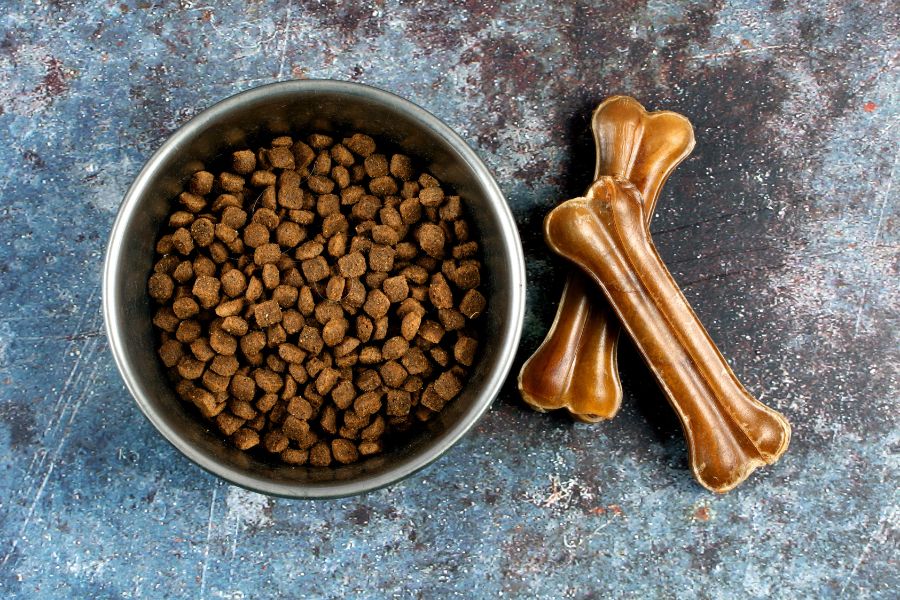
When it comes to caring for your pet, few decisions matter more than what goes into their food bowl. Nutrition is the foundation of good health, and choosing between a homemade diet and a commercial pet diet can feel overwhelming.
Pet parents often wonder which option supports their furry friend’s health best in the long run. Let’s break down the benefits and challenges of both approaches so you can make an informed choice.
The Growing Debate Around Pet Diets
Over the years, interest in pet nutrition has skyrocketed. Many owners want to control exactly what their pets eat, while others rely on the convenience and balance of commercial diets. Both sides offer compelling arguments, but your pet’s needs, lifestyle, and health play the biggest role in the right choice.
Homemade Diets: Control and Customization
One of the main appeals of homemade pet food is control. Pet owners know precisely what ingredients go into each meal. This option allows for customization—whether you want to avoid allergens, cater to a picky eater, or emphasize fresh, whole foods.
Moreover, preparing meals at home can foster a closer bond with your pet. Many pet parents feel good knowing they are personally providing nourishment. For animals with unique health issues, homemade diets can be fine-tuned with the help of a veterinarian or nutritionist.
Potential Challenges of Homemade Meals
However, not everything about homemade diets is positive. Without professional guidance, pets can easily miss essential nutrients like calcium, vitamin D, or taurine. Long-term deficiencies may cause serious health issues. Additionally, preparing balanced meals requires both time and consistency, which may not suit every household.
Commercial Diets: Balance and Convenience
Commercial pet food is designed to be nutritionally complete and balanced. Companies spend years researching recipes to ensure they meet the dietary standards set by organizations like the Association of American Feed Control Officials (AAFCO). For busy families, commercial diets provide a convenient way to guarantee pets receive essential nutrients every day.
The Benefits of Commercial Diets
Commercial options come in many forms—dry kibble, canned food, freeze-dried, and raw-prepared diets. This variety allows owners to choose foods that fit both their pet’s needs and their budget. Additionally, many prescription diets are available to target specific health conditions, such as kidney disease or weight management.
The Drawbacks to Consider
On the other hand, not all commercial pet foods are created equal. Some may contain fillers, artificial preservatives, or lower-quality proteins. Reading labels carefully and choosing reputable brands is essential. While convenient, commercial foods can sometimes lack the freshness that many pet parents prefer.
Which Diet Truly Promotes Long-Term Health?
When deciding between homemade and commercial diets, the truth is—there’s no one-size-fits-all answer. Both options can promote long-term health when managed properly. The key lies in balance, quality, and consistency.
For homemade diets, professional guidance ensures meals are nutritionally sound. For commercial diets, selecting high-quality brands helps avoid unnecessary additives. Ultimately, your pet’s age, breed, health conditions, and lifestyle will determine the most suitable choice.
The Role of Veterinary Guidance
Regardless of your decision, consulting a veterinarian is non-negotiable. A professional can evaluate your pet’s specific health requirements and recommend a safe diet plan. For example, pet owners looking for expert advice in Texas, where guidance from a qualified vet in Friendswood, TX, helps ensure pets thrive on whichever diet parents choose.
Tips for Making the Right Choice
- Assess Your Schedule: Homemade diets require dedication and time.
- Check Ingredient Quality: For commercial diets, read labels and avoid unnecessary fillers.
- Work With a Professional: Always consult a veterinarian or pet nutritionist when making diet changes.
- Monitor Your Pet’s Health: Watch for signs of energy changes, weight fluctuations, or digestive issues.
- Stay Consistent: Pets thrive on routine, so avoid frequent diet switches.
In the end, the best diet is one that keeps your pet healthy, energized, and happy. Homemade diets offer control and personalization, but require careful planning. Commercial diets provide convenience and balance, but quality matters. When you team up with a reliable veterinary professional, you can feel good about selecting a diet that truly supports your pet’s long-term health and happiness.