New Client First Exam Only $28!


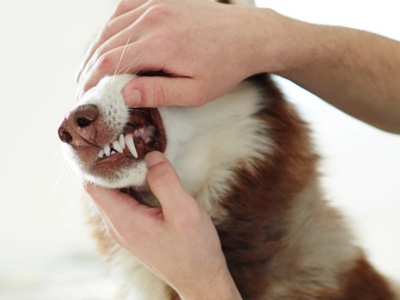
Your dog’s smile does more than melt hearts—it plays a vital role in their overall health. Unfortunately, dental pain is one of the most overlooked issues in dogs. Because they can’t tell us when something hurts, even attentive pet parents may miss early warning signs of oral discomfort. Learning to recognize the subtle symptoms of tooth pain can help you act quickly, prevent complications, and keep your furry friend comfortable and happy.
Good oral hygiene is not just about fresh breath. Left untreated, dental problems can lead to severe infections, tooth loss, and even organ damage. Early detection and prompt care are the best ways to prevent small issues from escalating into major health concerns.
Why Dogs Hide Tooth Pain
Dogs are experts at masking discomfort. In the wild, showing pain is seen as a weakness, so many pets instinctively hide their suffering until the problem becomes severe. This makes it even more important for owners to stay alert to behavioral and physical changes that might signal dental pain.
While some dogs will whine or paw at their mouths, others simply eat less or act “off.” Paying attention to these subtle shifts in your dog’s daily habits can help you catch oral health issues early, before they worsen.
Common Causes of Tooth Pain in Dogs
Several conditions can cause your dog to experience dental discomfort. Understanding these underlying causes will help you recognize problems sooner:
- Plaque and Tartar Buildup: Accumulation of bacteria leads to gum inflammation and pain.
- Gingivitis or Periodontal Disease: Advanced gum disease can cause bleeding, infection, and tooth loss.
- Fractured or Broken Teeth: Often caused by chewing hard toys, bones, or other tough objects.
- Abscesses or Infections: Bacteria trapped under the gumline can create painful pockets of pus.
- Tooth Root Exposure: Worn enamel or receding gums may expose sensitive areas of the tooth.
- Retained Baby Teeth: Common in small breeds, these can cause overcrowding and discomfort.
Knowing these causes makes it easier to take preventive steps and seek timely veterinary care.
Early Warning Signs of Tooth Pain in Dogs
Dogs show dental pain in many different ways, and often, the signs are subtle. Watch for these early indicators that something might be wrong:
- Bad breath (halitosis): Persistent odor is often the first sign of infection.
- Difficulty eating: Your dog might chew on one side of the mouth or drop food.
- Reduced appetite: Pain may make eating uncomfortable.
- Pawing or rubbing at the mouth: A clear indication of oral irritation.
- Excessive drooling: Sometimes tinged with blood.
- Swollen or bleeding gums: Visible inflammation suggests gum disease.
- Behavioral changes: Increased irritability, withdrawal, or reluctance to play.
- Facial swelling: Can indicate an abscess or deep-rooted infection.
If you notice any of these signs, it’s time to act quickly. Prompt dental care can stop pain and prevent permanent damage.
How to Fix Dog Tooth Pain Fast
The good news is that most dental issues can be treated effectively when caught early. Here are key steps to help your dog recover quickly and prevent future discomfort:
1. Schedule a Professional Dental Checkup
Make an appointment with your trusted veterinarian in Friendswood, Texas for a complete oral examination. Your vet will check for loose teeth, infection, or gum disease and may recommend dental X-rays to identify hidden problems below the gumline.
2. Consider Professional Dental Cleaning
A veterinary dental cleaning under anesthesia allows for thorough plaque removal and examination. This process helps prevent periodontal disease and restores your dog’s comfort.
3. Manage Pain and Inflammation
Your vet may prescribe pain relief or antibiotics if an infection is present. Never give your dog human pain medications, as they can be toxic. Follow all dosage instructions carefully and monitor for improvement.
4. Switch to Dental-Friendly Foods and Toys
Feeding your dog specially formulated dental diets or chews can reduce plaque buildup. Avoid hard bones or antlers that can fracture teeth. Instead, choose rubber chew toys designed for dental health.
5. Start a Home Dental Care Routine
Brushing your dog’s teeth regularly is the best preventive measure. Use a soft-bristled pet toothbrush and dog-safe toothpaste—never use human toothpaste, as it contains ingredients that can be harmful to pets. Aim to brush a few times per week and reward your dog with praise or treats afterward to make it a positive experience.
Preventing Tooth Pain Before It Starts
Once your dog’s mouth has healed, maintaining oral hygiene becomes essential. Here are some simple yet powerful preventive measures:
- Annual dental exams: Schedule professional cleanings once a year to remove hidden plaque.
- Regular brushing: Even a few times a week can make a huge difference.
- Healthy diet: Feed balanced, high-quality food that supports oral health.
- Chew toys: Offer safe options to naturally clean teeth.
- Observe changes: Early intervention saves time, money, and discomfort for your dog.
Dental care is not a one-time fix—it’s a lifelong commitment that significantly impacts your dog’s comfort and longevity.
When to See Your Vet Immediately
Sometimes, waiting even a few days can worsen your dog’s condition. Call your vet right away if you notice:
- Bleeding from the mouth or gums.
- Reluctance to eat or drink for over 24 hours.
- Visible swelling around the jaw or muzzle.
- Loose or missing teeth.
- Excessive drooling or pus-like discharge.
- Signs of pain when touched near the mouth.
Prompt veterinary attention can prevent infections from spreading and relieve your dog’s discomfort quickly.
How Dental Pain Affects Overall Health
Untreated dental pain doesn’t just stay in the mouth—it can lead to systemic health problems. Bacteria from infected gums can enter the bloodstream, affecting the heart, kidneys, and liver. Chronic pain can also cause stress and behavioral changes, making your dog anxious or less social.
By maintaining good dental hygiene and addressing problems early, you not only improve your dog’s quality of life but also extend it. Healthy teeth and gums are essential for a strong immune system, better digestion, and lasting energy.
At about this stage of recovery, many pet owners start thinking about ongoing care options. If you’re seeking an animal hospital in Friendswood, Texas, Parkwood Animal Hospital & Boarding provides comprehensive dental services and personalized care to keep your pet’s teeth clean, healthy, and pain-free all year long.
Frequently Asked Questions:
Q: How often should I brush my dog’s teeth?
A: Ideally, daily brushing is best, but even three times per week can significantly reduce plaque and prevent pain.
Q: Can dental pain cause my dog to stop eating?
A: Yes. Tooth pain can make chewing uncomfortable, leading to a loss of appetite or slow eating.
Q: Is bad breath always a sign of dental issues?
A: Persistent bad breath often indicates gum disease or infection, so a dental checkup is recommended.
Q: What can I feed my dog after dental treatment?
A: Soft or moistened food is ideal for a few days while the gums heal. Gradually reintroduce normal food once approved by your vet.
Q: How can I tell if my dog has a broken tooth?
A: Look for signs like drooling, facial sensitivity, or chewing on one side of the mouth. Your vet can confirm with an exam or X-ray.
Q: Are some breeds more prone to dental issues?
A: Yes. Small breeds like Chihuahuas, Yorkies, and Dachshunds are more likely to develop dental problems due to overcrowded teeth.