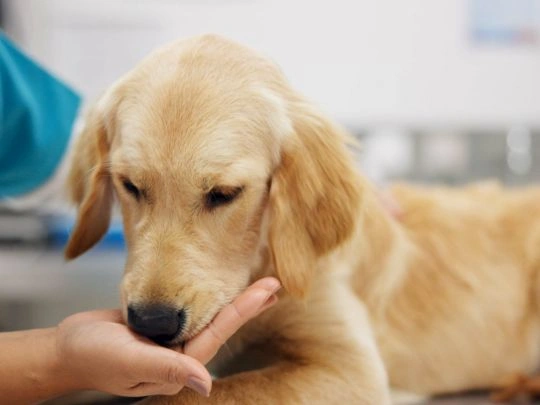
New Client First Exam Only $28!


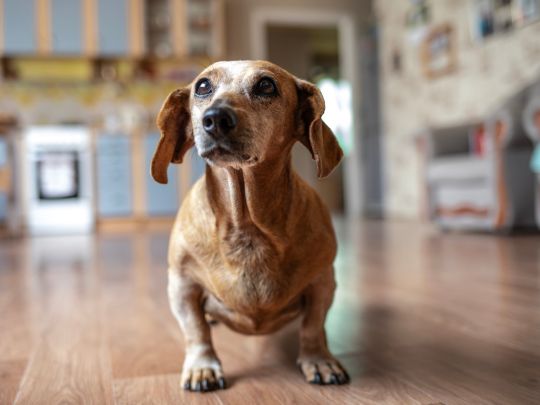
A swollen belly on your dog can appear seemingly overnight, and it’s natural to feel worried right away. Many pet owners first notice the change during a normal petting session or when a dog seems reluctant to lie down. This kind of swelling can mean anything from mild gas to a serious internal problem needing prompt attention. Dogs cannot tell us where it hurts, so owners must rely on visible signs and behavior changes. Some causes settle down on their own within a day, while others require urgent veterinary attention to avoid serious complications. Understanding what a swollen abdomen might signal helps you decide how quickly to act. This guide walks through the most common causes, the warning signs that mean you should not wait, and what typically happens during a veterinary visit for this concern in dogs of any age or breed.
What Does a Swollen Belly in Dogs Really Mean?
A swollen or distended belly usually points to a few possibilities: gas buildup, fluid accumulation, an enlarged organ, or, in rare cases,, a twisted stomach. Mild swelling after a big meal is often harmless. Sudden, hard, or painful swelling is different and should never be brushed off.
Abdominal distension is one of the more common reasons dogs are brought in for an unscheduled visit, making up a noticeable share of walk-in cases most veterinary teams see each month. Few regular causes of a swollen stomach include overeating, intestinal gas, parasites, and fluid buildup tied to organ function.
Many pet owners assume a swollen belly always means their dog simply overate. In our experience, that assumption can delay care when the real cause is something like fluid buildup around the abdomen or an enlarged spleen. A dog’s belly can also look swollen from muscle weakness or posture changes as they age, which is a separate issue from true internal swelling.
Signs That Mean You Shouldn’t Wait
A swollen belly on its own is not always urgent, but certain accompanying signs raise the concern level considerably. These bloating warning signs are worth watching closely, especially if more than one appears at the same time.
- Belly feels tight, hard, or painful to the touch. Dogs may flinch, growl, or pull away when their stomach is touched.
- Repeated attempts to vomit with little coming up. This can point to a blocked or twisted stomach, which needs quick evaluation.
- Restlessness or trouble getting comfortable. A dog that keeps pacing or cannot settle down may be in pain.
- Pale gums or a noticeably fast heart rate. These can be early signs of shock and should be taken seriously.
- Sudden loss of appetite paired with visible bloating. A dog that skips meals while looking swollen needs a closer look.
- Heavy panting or whining without an obvious cause. This combination alongside bloating warning signs often means discomfort your dog cannot otherwise express.
Many dogs we see with these symptoms were completely normal just hours earlier, which is part of why swelling like this catches owners off guard. If you notice any of these signs, contact your veterinarian promptly.
What Causes a Bloated or Swollen Abdomen
Several causes of a swollen stomach are more common depending on a dog’s age, breed, and lifestyle. Large, deep-chested breeds such as Great Danes and German Shepherds are more prone to a dangerous stomach twist, particularly after eating a large meal and then exercising soon after. Older dogs are more likely to develop swelling linked to heart, liver, or kidney function changes, since fluid can build up in the abdomen as these organs work less efficiently.
Younger dogs and puppies more often develop a swollen belly from intestinal parasites, especially if they spend time outdoors or around other animals. In Friendswood, warmer and humid stretches of the year can mean more parasite activity than in drier climates, since fleas and intestinal parasites tend to stay active for a longer season here. Diet changes, food allergies, and simply eating too fast can also cause temporary bloating that resolves within a day.
Risk factors worth knowing include age, breed size and chest depth, recent diet changes, and any history of digestive sensitivity. None of these guarantee a serious problem, but they do mean a swollen belly deserves a closer look rather than a wait-and-see approach.
How Veterinarians Diagnose and Treat the Underlying Cause
When a dog comes in with a swollen belly, the visit typically follows a predictable pattern designed to figure out what is happening as quickly as possible.
- Physical exam and history. The vet checks how firm or painful the belly is and asks about recent meals, activity, and any vomiting.
- Imaging. X-rays or ultrasound help show whether the stomach has twisted, whether fluid has built up, or whether an organ looks enlarged.
- Bloodwork. This checks organ function and looks for signs of infection, anemia, or other underlying issues.
- Treatment plan. Depending on findings, treatment may range from supportive care and monitoring to more involved procedures for a fast-moving twist that needs immediate veterinary attention.
If imaging or bloodwork shows something that needs closer monitoring, some vets will recommend a same-day vet visit rather than waiting for a routine appointment slot. In Friendswood, having a same-day vet visit available can matter, since conditions like a stomach twist can worsen within just a few hours. Pet owners often tell us they wish they had come in sooner rather than watching and waiting overnight.
When It’s Time to Visit a Vet Near You
Not every swollen belly needs an immediate trip to the clinic, but several situations call for a vet urgent care in Friendswood rather than a wait-and-see approach. A hard or painful belly, repeated unproductive vomiting, pale gums, or sudden collapse all fall into this category.
Parkwood Animal Hospital & Boarding sees dogs with sudden swelling regularly, and our team knows how frightening it can feel when you are not sure whether it is serious. Whether your dog needs pet urgent care or simply a same-day check, having a local option matters when symptoms appear quickly. If you are near Friendswood and notice any of the warning signs above, do not wait for symptoms to get worse on their own.
Call us at 281-648-7387 when your dog needs urgent veterinary care in Friendswood, and our team can help you decide how quickly you need to be seen.
A swollen belly can mean many different things, from harmless gas to a condition needing immediate veterinary attention, so paying attention to accompanying signs matters most. Watch for a hard or painful belly, repeated vomiting, pale gums, or sudden restlessness, and don’t wait those out. Most causes are manageable when caught early, and the team at Parkwood Animal Hospital & Boarding is glad to help you sort out what’s normal and what’s not. Knowing your dog’s normal shape and habits makes it far easier to notice a real change quickly. Book an appointment today.
Frequently Asked Questions
1. Why is my dog’s stomach suddenly swollen?
Ans: Sudden swelling can come from gas, overeating, fluid buildup, or, in serious cases, a twisted stomach. Because the causes range from mild to severe, any sudden change is worth having checked.
2. Is a swollen belly always urgent in dogs?
Ans: Not always, but it can be. Swelling paired with vomiting, pain, pale gums, or restlessness should be treated as urgent rather than watched overnight.
3. Can bloating in dogs go away on its own?
Ans: Mild gas-related bloating sometimes settles within a few hours. Firm, painful, or worsening swelling typically needs veterinary evaluation rather than time alone.
4. What breeds are most at risk for a dangerous stomach twist?
Ans: Large, deep-chested breeds like Great Danes, German Shepherds, and Standard Poodles carry a higher risk. Eating quickly or exercising right after a meal can raise that risk further.
5. How can I help prevent bloating in my dog?
Ans: Feeding smaller, slower meals and avoiding heavy exercise right after eating can help. Routine parasite prevention and regular checkups also lower the odds of digestive-related swelling.