New Client First Exam Only $28!


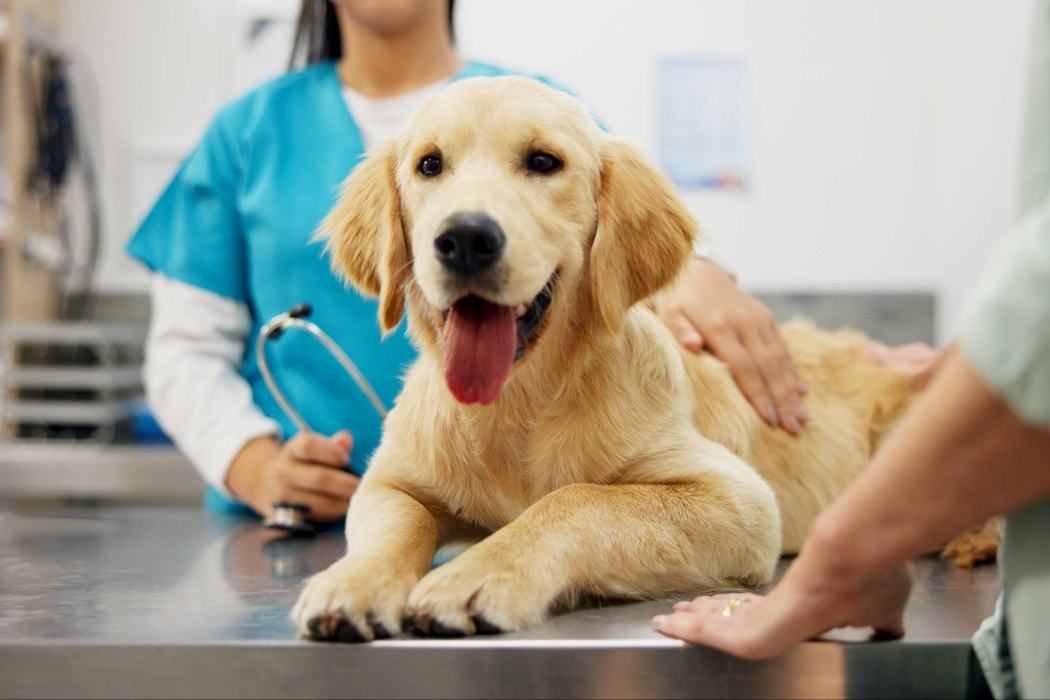
Breathing problems in dogs can range from mild congestion to life-threatening emergencies. If your dog is coughing, wheezing, breathing heavily, or struggling to catch their breath, it’s important to seek veterinary care as soon as possible. Early diagnosis can help identify the underlying cause and improve your pet’s comfort, health, and quality of life.
At Parkwood Animal Hospital & Boarding in Friendswood, our veterinary team understands how concerning respiratory symptoms can be for pet owners. Knowing how veterinarians diagnose breathing problems in dogs can help you feel more prepared when your furry companion needs medical attention.
Why Breathing Problems in Dogs Should Never Be Ignored
Dogs rely on healthy lungs and airways to stay active and comfortable. When breathing becomes difficult, the body may not receive enough oxygen, which can quickly become dangerous.
Some breathing issues develop gradually, while others happen suddenly and require emergency care. Conditions affecting the lungs, heart, throat, nose, or airways can all interfere with normal breathing.
If your dog shows signs of respiratory distress, prompt veterinary evaluation is essential.
Common Signs of Breathing Problems in Dogs
Respiratory symptoms can look different depending on the cause. Some dogs may only have mild coughing, while others may struggle to breathe even while resting.
Common warning signs include:
- Rapid breathing
- Labored breathing
- Wheezing
- Persistent coughing
- Gagging or choking sounds
- Excessive panting
- Blue or pale gums
- Nasal discharge
- Open-mouth breathing
- Exercise intolerance
- Lethargy or weakness
If your dog is having severe difficulty breathing, collapses, or develops blue gums, seek emergency veterinary care immediately.
Common Causes of Breathing Problems in Dogs
There are many possible reasons a dog may develop respiratory issues. Identifying the exact cause is an important part of the diagnostic process.
Some common causes include:
Respiratory Infections
Bacterial, viral, or fungal infections can affect the lungs and airways. Kennel cough and canine influenza are common contagious respiratory illnesses in dogs.
Allergies
Environmental allergens like pollen, dust, mold, or smoke may irritate the airways and trigger coughing or wheezing.
Heart Disease
Certain heart conditions can cause fluid buildup in the lungs, making breathing difficult.
Collapsed Trachea
Small breed dogs are especially prone to tracheal collapse, which can lead to coughing and breathing difficulty.
Brachycephalic Airway Syndrome
Flat-faced breeds such as Bulldogs, Pugs, and French Bulldogs may experience breathing challenges due to narrowed airways.
Pneumonia
Inflammation or infection in the lungs can interfere with oxygen exchange and cause serious illness.
Foreign Objects
Grass awns, toys, or other objects lodged in the airway can create sudden respiratory distress.
Tumors or Masses
Growths in the lungs, chest, or throat may obstruct airflow or reduce lung function.
What to Expect During a Veterinary Examination
When you bring your dog to the veterinarian for breathing concerns, the diagnostic process usually begins with a thorough physical examination and detailed medical history.
Your veterinarian may ask questions such as:
- When did the symptoms begin?
- Has the breathing problem worsened over time?
- Is your dog coughing or sneezing?
- Has your dog been exposed to boarding facilities or sick animals?
- Does exercise make the symptoms worse?
- Is your dog eating and drinking normally?
Providing detailed information helps your veterinarian narrow down potential causes more quickly.
Physical Examination and Breathing Assessment
During the exam, your veterinarian carefully evaluates your dog’s breathing pattern and overall condition.
They may check:
- Respiratory rate
- Heart rate
- Lung sounds
- Gum color
- Body temperature
- Airflow through the nose
- Throat and airway condition
Listening to the lungs and heart with a stethoscope can reveal abnormal sounds like wheezing, crackles, fluid buildup, or heart murmurs.
Your veterinarian will also observe whether your dog is struggling to inhale, exhale, or both.
Diagnostic Tests Veterinarians May Recommend
Depending on your dog’s symptoms, additional testing may be needed to determine the exact cause of the breathing issue.
Chest X-Rays
Chest radiographs are one of the most common tools used to diagnose respiratory problems. X-rays allow veterinarians to examine the lungs, heart, and chest cavity.
They can help detect:
- Pneumonia
- Fluid buildup
- Enlarged heart
- Lung tumors
- Airway abnormalities
- Collapsed trachea
Blood Testing
Bloodwork can help identify infections, inflammation, anemia, or underlying organ disease contributing to respiratory symptoms.
Blood tests may also help evaluate oxygen levels and overall health before treatment.
Pulse Oximetry
Pulse oximetry measures how much oxygen is circulating in your dog’s blood. Low oxygen levels may indicate serious respiratory compromise.
Heartworm Testing
Heartworm disease can severely affect the lungs and heart. Testing is especially important in areas where mosquitoes are common.
Ultrasound or Echocardiogram
If heart disease is suspected, your veterinarian may recommend an ultrasound of the heart to assess heart structure and function.
Airway Examination
In some cases, sedation may be needed to examine the throat and upper airway more closely.
This can help diagnose:
- Airway obstruction
- Elongated soft palate
- Laryngeal paralysis
- Foreign bodies
CT Scans or Advanced Imaging
Advanced imaging may be recommended for complicated cases or when tumors, chronic disease, or structural abnormalities are suspected.
Emergency Situations That Require Immediate Veterinary Care
Some breathing problems become emergencies very quickly. Immediate veterinary treatment is critical if your dog experiences:
- Severe respiratory distress
- Blue or gray gums
- Collapse
- Continuous open-mouth breathing
- Extreme lethargy
- Sudden choking
- Inability to settle comfortably
Delaying care can put your dog’s life at risk.
Treatment Options for Breathing Problems in Dogs
Treatment depends entirely on the underlying diagnosis. Once the cause is identified, your veterinarian can develop a customized treatment plan.
Possible treatments include:
- Oxygen therapy
- Antibiotics
- Anti-inflammatory medications
- Cough suppressants
- Bronchodilators
- Allergy management
- Fluid drainage
- Surgery
- Weight management
- Heart medications
Some dogs recover quickly with medication, while chronic conditions may require long-term management and monitoring.
How Pet Owners Can Help Prevent Respiratory Problems
While not every breathing problem can be prevented, there are ways to support your dog’s respiratory health.
Helpful prevention tips include:
- Keep vaccinations current
- Avoid exposure to smoke and strong chemicals
- Maintain a healthy weight
- Use harnesses instead of neck collars for small breeds
- Schedule routine veterinary exams
- Seek early treatment for coughing or breathing changes
- Prevent heartworm disease year-round
Monitoring your dog closely and acting quickly when symptoms appear can make a major difference.
When to Book an Appointment for Your Dog
If your dog has ongoing coughing, noisy breathing, wheezing, or difficulty exercising, it’s important not to wait too long before seeking veterinary care.
At Parkwood Animal Hospital & Boarding, we provide compassionate veterinary care for dogs experiencing respiratory concerns in Friendswood and surrounding communities. Our team uses advanced diagnostic tools to identify breathing problems and create personalized treatment plans for your pet’s needs.
If you notice signs of breathing difficulty in your dog, book an appointment with our veterinary team today.
FAQs
1. What causes breathing problems in dogs?
Ans: Breathing problems can be caused by infections, allergies, heart disease, collapsed trachea, pneumonia, airway obstruction, tumors, or chronic respiratory conditions.
2. How do veterinarians diagnose respiratory problems in dogs?
Ans: Veterinarians use physical exams, chest X-rays, blood tests, oxygen monitoring, heart evaluations, and airway examinations to determine the underlying cause.
3. Is heavy panting always a sign of a breathing problem?
Ans: Not always. Dogs pant normally to cool themselves, but excessive panting at rest or combined with coughing, lethargy, or distress should be evaluated by a veterinarian.
4. Can allergies cause breathing issues in dogs?
Ans: Yes. Environmental allergies may irritate the airways and contribute to coughing, wheezing, or labored breathing in some dogs.
5. When should I take my dog to the vet for breathing problems?
Ans: You should seek veterinary care anytime your dog has persistent coughing, wheezing, rapid breathing, or difficulty breathing. Emergency care is needed if gums turn blue or your dog struggles to breathe.
6. Can breathing problems in dogs be treated?
Ans: Many respiratory conditions can be successfully managed or treated once properly diagnosed. Early veterinary intervention often leads to better outcomes.