New Client First Exam Only $28!


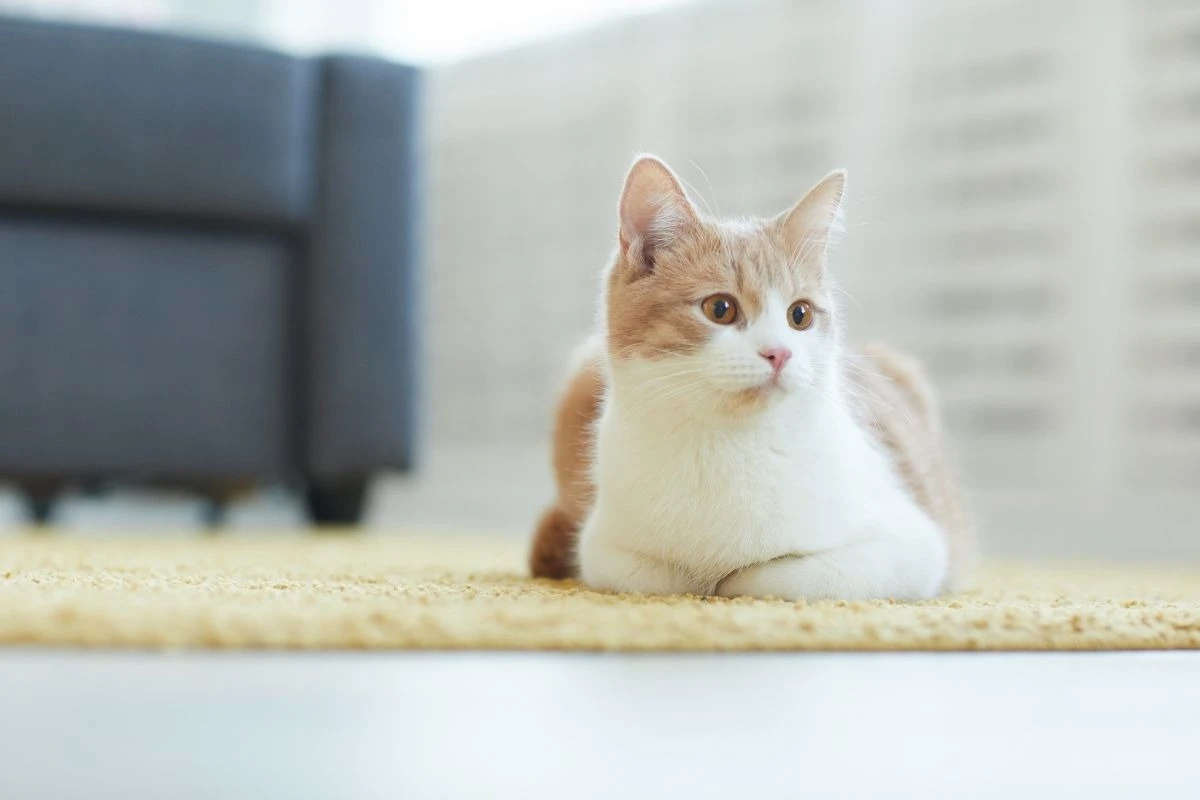
Have you ever heard your cat make a quick, bird-like sound and wondered what it means? Cat chirping can be surprising, especially when it sounds completely different from a typical meow. This vocalization is usually short, high-pitched, and repeated in quick bursts. Some cats chirp while watching birds through a window, while others make the sound during play, exploration, or interactions with their owners.
For many cats, chirping is simply another way to communicate excitement, curiosity, or focused attention. However, understanding the situation surrounding the sound can help you determine what your cat may be expressing. Paying attention to body language, surroundings, and changes in vocal behavior can provide valuable clues.
What Is Cat Chirping?
Cat chirping is a brief vocalization that can sound similar to a bird’s tweet or a soft series of clicks. It is different from the longer sound of a meow and may involve quick movements of the mouth or jaw.
Some people also describe this behavior as chattering, chittering, or twittering. Although these terms may describe slightly different sounds, they are often used to refer to similar vocal behaviors.
Cats have many ways to communicate. Meowing, purring, hissing, growling, trilling, and chirping can all convey different emotions or intentions. Chirping is particularly interesting because cats often make this sound when they are highly focused on something.
The meaning of a cat’s chirp depends heavily on context. A cat watching a bird outside may chirp for a very different reason than a cat chirping while walking toward its owner.
Why Do Cats Chirp?
There is no single explanation for every cat chirping sound. Cats may chirp for several behavioral and communication-related reasons.
Cat Chirping at Birds and Other Prey
One of the most common situations involving chirping is watching birds or other small animals.
If your cat sits near a window and suddenly starts chirping at a bird outside, the behavior may be connected to its natural hunting instincts. Cats are predators, and observing fast-moving prey can trigger intense concentration and excitement.
Your cat may stare at the animal, crouch, twitch its tail, move its head quickly, or make repeated chirping sounds. The combination of vocalization and body language can indicate that your cat is highly stimulated by what it sees.
Because the prey is usually out of reach, your cat may also experience frustration. The chirping may therefore occur alongside a strong desire to stalk, chase, or capture the object of interest.
Excitement and Curiosity
Cats can also chirp when something captures their attention.
A new toy, unfamiliar object, interesting sound, or movement around the house may cause a curious cat to vocalize. Chirping can accompany focused observation as your cat tries to understand what is happening.
For example, your cat may chirp while watching a toy move across the floor or while investigating something new in the home. In these situations, the sound may simply reflect excitement and engagement.
Communication With People
Some cats chirp directly at their owners. If your cat approaches you, looks at you, and chirps, it may be trying to get your attention.
Cats can develop individual communication patterns with the people they live with. One cat may meow frequently, while another may rely more heavily on chirps, trills, or other sounds.
Your cat may chirp when you enter a room, when it wants you to follow it, or when it is seeking interaction. Looking at the rest of its behavior can help you understand the message.
Play and Hunting Behavior
Play can closely resemble hunting behavior in cats. A toy moving across the floor can trigger the same instincts that a small animal might stimulate.
You may notice chirping when your cat is chasing a toy mouse, watching a feather wand, or preparing to pounce. The sound can be part of the excitement surrounding the activity.
Kittens may also chirp during play and exploration. As they develop, they learn different ways to interact with their environment and communicate with people and other animals.
Attention-Seeking Behavior
Sometimes chirping may simply mean that your cat wants interaction.
A cat may chirp when it wants to be petted, played with, fed, or noticed. If chirping consistently results in attention, the behavior may become part of the cat’s learned communication style.
This does not necessarily mean something is wrong. It may simply be your cat’s preferred way of initiating interaction.
What Does a Cat Chirping Sound Mean?
The meaning of chirping is best understood by considering the entire situation rather than focusing on the sound alone.
For example, a cat sitting at a window and chirping at a bird is likely experiencing excitement or hunting-related stimulation. A cat walking toward its owner while chirping may be seeking attention or interaction.
Body language can provide additional clues.
Look for:
- Forward-facing ears
- Wide, attentive eyes
- Focused staring
- Tail movement
- Crouching or stalking posture
- Playful movements
- Relaxed body posture
- Repeated attempts to gain attention
A relaxed posture combined with chirping is generally less concerning than vocalization accompanied by obvious distress or unusual behavior.
Is Cat Chirping Normal?
In many cases, yes. Cat chirping is a normal form of feline vocal communication.
Some cats chirp frequently, while others rarely make the sound. Individual personality, age, environment, and experiences can all influence how vocal a cat is.
A cat that has always chirped while watching birds or playing with toys may simply have a distinctive communication habit.
However, the important factor is whether the behavior is new or significantly different from your cat’s usual pattern.
If your cat suddenly becomes much more vocal, begins chirping constantly, or makes unusual sounds while showing other changes in behavior, it is worth paying closer attention.
When Should You Be Concerned About Your Cat’s Vocalizations?
Chirping by itself is usually not a reason for concern. However, unusual vocal behavior can sometimes occur alongside discomfort, stress, or other health problems.
Pay attention if chirping is accompanied by signs such as:
- Hiding more than usual
- Decreased appetite or water intake
- Changes in litter box habits
- Difficulty moving or jumping
- Restlessness
- Excessive vocalization
- Changes in grooming habits
- Aggressive or fearful behavior
- Changes in sleep patterns
- Signs of pain or physical discomfort
A sudden change in your cat’s normal behavior deserves attention, particularly when several changes occur at the same time.
Cats are often skilled at hiding signs of discomfort. This makes changes in their daily habits especially important to notice.
If you are concerned about a sudden change in your cat’s behavior or vocalizations, contact our animal hospital so a veterinary professional can help determine whether an examination is appropriate.
How to Respond When Your Cat Chirps
Your response can depend on what your cat is doing when it chirps.
If your cat is watching birds through a window, you generally do not need to interrupt the behavior. Give your cat a safe place to observe the outside environment.
If chirping happens during play, interactive toys can provide an appropriate outlet for natural hunting behaviors. Wand toys, puzzle toys, and other supervised activities can encourage physical movement and mental engagement.
When your cat chirps at you, consider the surrounding circumstances. Is the food bowl empty? Does your cat want to play? Is it leading you toward another room? Is it simply greeting you?
Over time, you may begin to recognize patterns in your cat’s vocalizations.
How a Veterinarian Can Help With Unusual Cat Behavior
Behavioral changes can sometimes be difficult to interpret at home. A veterinary professional can consider your cat’s overall health, history, behavior, and physical condition when evaluating unusual vocalizations.
A veterinary examination may be especially useful if chirping is accompanied by appetite changes, altered litter box habits, mobility problems, hiding, lethargy, or other unusual symptoms.
Keeping notes about when the chirping occurs can also be helpful. Record what your cat was doing before the sound, how frequently it happens, and whether any other behavior changes occur.
This information can help provide a clearer picture of your cat’s normal communication patterns and any recent changes.
Understanding Your Cat’s Unique Communication
Cat chirping can be one of the most entertaining and interesting parts of feline behavior. Whether your cat chirps at birds, toys, other pets, or you, the sound is often connected to excitement, curiosity, communication, or natural hunting behavior.
The key is to consider the context. A chirp from a playful cat watching a feather toy is different from a sudden change in vocalization accompanied by signs of discomfort. Knowing your cat’s normal habits makes it easier to recognize meaningful changes.
For pet owners looking for a veterinarian in Friendswood, understanding everyday feline behavior is an important part of responsible pet care. A trusted vet near you can help evaluate behavioral changes when you are unsure whether they are normal.
For professional veterinary guidance and compassionate care, Parkwood Animal Hospital & Boarding serves pets and families in Friendswood and nearby communities with comprehensive veterinary services.
FAQs About Cat Chirping
1. Why does my cat chirp at birds?
Cats commonly chirp when watching birds because the movement can activate their natural hunting instincts. The sound may reflect excitement, intense focus, or frustration because the prey is out of reach.
2. Why does my cat chirp at me?
Your cat may chirp at you to get your attention, greet you, request interaction, or communicate a specific need. Look at its body language and the situation to better understand what it may be trying to express.
3. Is cat chirping the same as chattering?
The terms chirping and chattering are often used interchangeably to describe short, repetitive feline vocalizations. The exact sound can vary between individual cats.
4. Do kittens chirp?
Yes. Kittens can chirp while playing, exploring, interacting with their surroundings, or communicating. Vocal habits can vary considerably from one kitten to another.
5. Should I stop my cat from chirping?
Usually, there is no reason to stop normal chirping. If it occurs during safe activities such as watching birds or playing, it can simply be part of your cat’s natural behavior.
6. When should I have my cat checked for unusual vocalization?
Consider a veterinary evaluation if your cat develops a sudden or persistent change in vocal behavior, especially when it occurs with changes in appetite, litter box use, activity, grooming, movement, or general behavior.
