New Client First Exam Only $28!


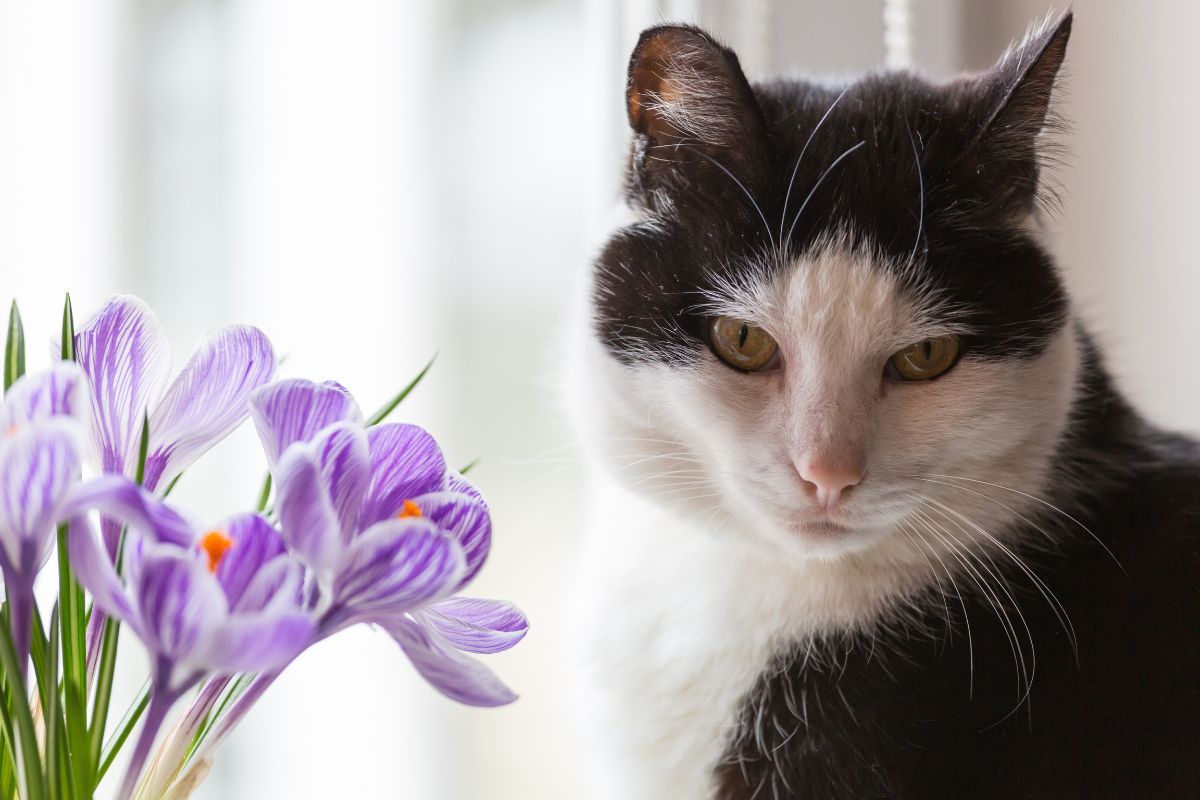
Cats are naturally curious creatures, often exploring their surroundings by sniffing, chewing, or playing with plants. While many houseplants are harmless, lilies pose a serious and potentially fatal threat to feline health. Understanding lily toxicity, recognizing early warning signs, and acting quickly can make the difference between life and death for your cat.
This guide will walk you through everything you need to know about lily poisoning and how pet preventive care plays a vital role in keeping your feline companion safe.
Why Are Lilies Dangerous for Cats?
Lilies are extremely toxic to cats, even in small amounts. Certain varieties such as Easter lilies, tiger lilies, and Asiatic lilies contain substances that can cause severe kidney damage.
What makes lilies especially dangerous is that every part of the plant is toxic. This includes:
- Petals
- Leaves
- Stems
- Pollen
- Even the water in a vase
A cat brushing against pollen and later grooming itself can ingest enough toxin to trigger poisoning. This is why awareness and pet preventive care are essential for every cat owner.
How Lily Toxicity Affects Cats
Once a cat ingests any part of a lily plant, toxins quickly enter the bloodstream and begin affecting the kidneys. Within a short period, this can lead to acute kidney failure.
The severity depends on:
- The amount ingested
- How quickly treatment begins
- The overall health of the cat
Without immediate intervention, the condition can become fatal within a few days.
Critical Warning Signs to Recognize
Recognizing symptoms early is crucial. Lily toxicity progresses rapidly, and early detection can save your cat’s life.
Early Signs Within 2 to 6 Hours
- Vomiting
- Drooling
- Loss of appetite
- Lethargy
Intermediate Signs Within 12 to 24 Hours
- Increased thirst
- Frequent urination
- Dehydration
- Continued weakness
Severe Signs Within 24 to 72 Hours
- Little or no urine production
- Severe dehydration
- Kidney failure
- Seizures or collapse
If you notice any of these symptoms and suspect lily exposure, immediate veterinary care is critical.
What to Do If Your Cat Is Exposed to Lilies
Time is the most important factor in treating lily toxicity. If you believe your cat has been exposed:
- Remove any plant material from your cat’s fur or mouth
- Prevent further exposure by isolating the plant
- Contact a veterinarian immediately
- Do not wait for symptoms to appear
Early treatment significantly improves the chances of recovery. Delaying care, even by a few hours, can worsen the outcome.
Diagnosis and Treatment
Veterinarians typically diagnose lily toxicity based on:
- History of exposure
- Clinical symptoms
- Blood and urine tests
Common Treatments Include:
- Inducing vomiting if ingestion is recent
- Administering activated charcoal to limit toxin absorption
- Intravenous fluids to support kidney function
- Hospitalization for close monitoring
With prompt and aggressive treatment, many cats can recover. However, delayed care may result in permanent kidney damage.
The Role of Pet Preventive Care
Preventing exposure is always better than treating toxicity. Pet preventive care plays a key role in safeguarding your cat from harmful substances like lilies.
Simple Preventive Steps:
- Avoid keeping lilies in your home or garden
- Check floral arrangements for hidden lilies
- Educate family members and guests about plant dangers
- Choose pet safe plants instead
Regular veterinary checkups are also part of effective pet preventive care, helping identify risks and maintain your cat’s overall health.
Pet Safe Alternatives to Lilies
If you love having plants at home, consider safer options such as:
- Spider plants
- Areca palms
- Calathea varieties
- Boston ferns
These alternatives allow you to enjoy greenery without risking your cat’s health.
Why Immediate Veterinary Care Matters
Many pet owners underestimate how quickly lily toxicity progresses. Cats may appear normal initially, only to deteriorate rapidly within a day.
Seeking professional care at the earliest sign of exposure ensures:
- Faster toxin removal
- Better kidney protection
- Higher survival rates
If you suspect exposure, do not delay. Schedule an appointment with Parkwood Animal Hospital & Boarding to ensure your pet receives timely and expert care.
Trust and Real Experiences Matter
Hearing from other pet owners can provide reassurance when choosing veterinary care. You can check a trustworthy review from our satisfied pet owner to understand how timely intervention and compassionate care have helped save pets from critical situations like toxin exposure.
Final Thoughts
Lily toxicity in cats is a medical emergency that requires immediate attention. Even minimal exposure can lead to severe kidney damage, making awareness and prevention essential.
By understanding the risks, recognizing early symptoms, and prioritizing pet preventive care, you can protect your cat from this hidden danger. A safe environment combined with proactive care is the best way to ensure your feline companion lives a long and healthy life.
Frequently Asked Questions
1. How much lily exposure is toxic to cats?
Ans: Even a small amount, such as a few pollen grains or a lick of water from a vase, can be toxic and potentially fatal.
2. Can cats recover from lily poisoning?
Ans: Yes, but only if treatment begins early. Prompt veterinary care greatly improves recovery chances.
3. Are all lilies toxic to cats?
Ans: Most true lilies are highly toxic. It is safest to assume all lilies are dangerous and avoid them entirely.
4. How quickly do symptoms appear after exposure?
Ans: Symptoms can begin within a few hours, but severe complications like kidney failure may develop within 24 to 72 hours.
5. What should I do if I am unsure about exposure?
Ans: Always treat it as an emergency. Contact a veterinarian immediately even if symptoms are not visible.
6. How can I prevent lily poisoning in my home?
Ans: Remove all lilies, inspect bouquets carefully, and follow pet preventive care practices to minimize risks.