New Client First Exam Only $28!


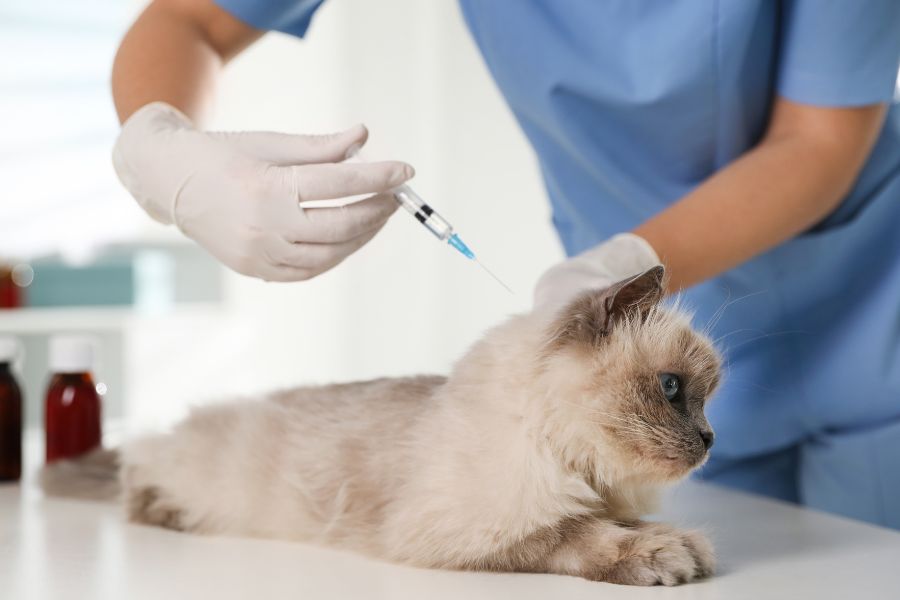
Cat vaccination is one of the most important steps in protecting your feline friend from serious diseases. While most cats handle vaccines very well, mild cat vaccine side effects can happen. The key is knowing what’s normal and when symptoms may signal a problem.
In this guide, we’ll explain common cat vaccine side effects, what to expect after a cat rabies vaccine, how kitten vaccine side effects may differ, and when you should contact your veterinarian.
Why Cat Vaccination Is So Important
Vaccines protect cats from contagious and potentially fatal diseases. Core vaccines recommended for most cats in the United States include:
- Rabies
- Feline panleukopenia
- Feline herpesvirus
- Calicivirus
These vaccines train your cat’s immune system to recognize and fight infections. Like any medical treatment, however, cat vaccination can sometimes lead to mild, temporary side effects.
The good news is that serious reactions are rare. Most side effects are mild and resolve within 24 to 48 hours.
If you have questions about vaccinations or your pet’s health, the veterinary team at Parkwood Animal Hospital & Boarding can provide personalized guidance for your cat’s specific needs.
Common Cat Vaccine Side Effects That Are Normal
After a routine cat vaccination appointment, you may notice minor changes in your cat’s behavior or physical condition. These are usually normal immune responses.
1. Mild Lethargy
It is common for cats to seem tired after vaccination. Your cat may:
- Sleep more than usual
- Be less playful
- Show mild low energy
This typically lasts one to two days.
2. Slight Fever
A low-grade fever can occur as the immune system responds to the vaccine. You may notice:
- Warm ears
- Slight decrease in appetite
- Reduced activity
This usually resolves quickly without treatment.
3. Tenderness or Swelling at the Injection Site
A small lump at the injection site is one of the most common cat vaccine side effects. It may:
- Feel firm or slightly warm
- Be mildly sensitive to touch
- Last a few days to a couple of weeks
In most cases, the lump gradually shrinks and disappears.
4. Decreased Appetite
Some cats eat less for 24 hours after vaccination. As long as your cat resumes normal eating within a day or two, this is not typically a cause for concern.
Kitten Vaccine Side Effects: Are They Different?
Kittens receive a series of vaccines during their first few months of life. Because their immune systems are still developing, kitten vaccine side effects can look slightly different.
Kittens may experience:
- More noticeable sleepiness
- Brief mild diarrhea
- Temporary fussiness
These reactions are still considered normal if they resolve quickly. Since kittens receive multiple doses, mild side effects may occur after each round of vaccines.
If your kitten remains lethargic beyond 48 hours or refuses to eat entirely, contact your veterinarian.
Pet owners in the Friendswood area can schedule kitten wellness visits and vaccinations with the team at Parkwood Animal Hospital & Boarding to ensure their young cats receive proper preventive care.
What to Expect After a Cat Rabies Vaccine
The cat rabies vaccine is required by law in most states. It is very safe and widely used, but like any vaccine, it can cause mild reactions.
Common reactions after a cat rabies vaccine include:
- Slight soreness at the injection site
- Mild swelling
- Low energy for a day
Very rarely, more serious reactions can occur. These are uncommon but important to recognize.
When Cat Vaccine Side Effects Are Not Normal
While most reactions are mild, certain symptoms require immediate veterinary attention.
Seek Emergency Care If You Notice:
- Facial swelling
- Hives or raised bumps
- Persistent vomiting or diarrhea
- Difficulty breathing
- Collapse or extreme weakness
These signs may indicate an allergic reaction, also known as anaphylaxis. This type of reaction typically occurs within minutes to a few hours after vaccination.
If your cat shows these symptoms, contact a veterinary clinic immediately.
How to Monitor Your Cat After Vaccination
After your cat’s vaccine appointment, follow these simple steps:
- Keep your cat indoors and calm for 24 hours.
- Monitor eating and drinking habits.
- Check the injection site daily.
- Watch for unusual behavior or swelling.
Most cats return to normal quickly. If you are unsure about any symptoms, it is always appropriate to call your veterinarian for guidance.
How Veterinarians Reduce the Risk of Side Effects
Modern veterinary medicine has made cat vaccination safer than ever. Clinics take several precautions, including:
- Tailoring vaccines based on lifestyle and risk
- Spacing vaccines appropriately
- Using high-quality, tested vaccine products
- Monitoring pets after injection
Your veterinarian evaluates your cat’s age, health status, and exposure risk before recommending vaccines. Indoor-only cats may have different needs compared to outdoor cats.
The experienced veterinary team at Parkwood Animal Hospital & Boarding works with pet owners to create customized vaccination plans that keep cats protected while minimizing risks.
Can Cat Vaccination Be Skipped to Avoid Side Effects?
Some pet owners worry about cat vaccine side effects and consider skipping vaccines. However, the risks of preventable diseases far outweigh the small chance of serious vaccine reactions.
Diseases like rabies are fatal and pose a public health risk. Feline panleukopenia can be deadly, especially in kittens. Vaccination remains the safest and most effective prevention strategy.
If your cat has had a previous vaccine reaction, talk with your veterinarian. Adjusted vaccine schedules or pre-medication protocols may be recommended.
Final Thoughts
Most cat vaccine side effects are mild, temporary, and a normal part of your cat building immunity. Mild sleepiness, slight swelling, and temporary appetite changes are common and typically resolve within 48 hours. Serious reactions are rare but require immediate attention.
By staying informed and partnering with a trusted veterinary team, you can feel confident about protecting your cat’s health. Pet owners looking for cat vaccination in Friendswood, TX can rely on Parkwood Animal Hospital & Boarding for compassionate care, preventive services, and expert advice to keep their feline companions healthy for years to come.
FAQs
Q1: How long do cat vaccine side effects last?
Most mild cat vaccine side effects last 24 to 48 hours. Injection site lumps may take a few weeks to fully disappear.
Q2: Is it normal for my cat to sleep all day after vaccination?
Yes, mild lethargy after cat vaccination is common. If it lasts longer than two days, contact your veterinarian.
Q3: Can kitten vaccine side effects be worse than those in adult cats?
Kittens may appear more tired because their immune systems are still developing, but serious reactions are still rare.
Q4: What should I do if my cat vomits after a vaccine?
One episode may not be serious, but repeated vomiting or additional symptoms like swelling require immediate veterinary care.
Q5: Is the cat rabies vaccine safe for indoor cats?
Yes, the cat rabies vaccine is safe and legally required in most states, even for indoor-only cats.
