New Client First Exam Only $28!



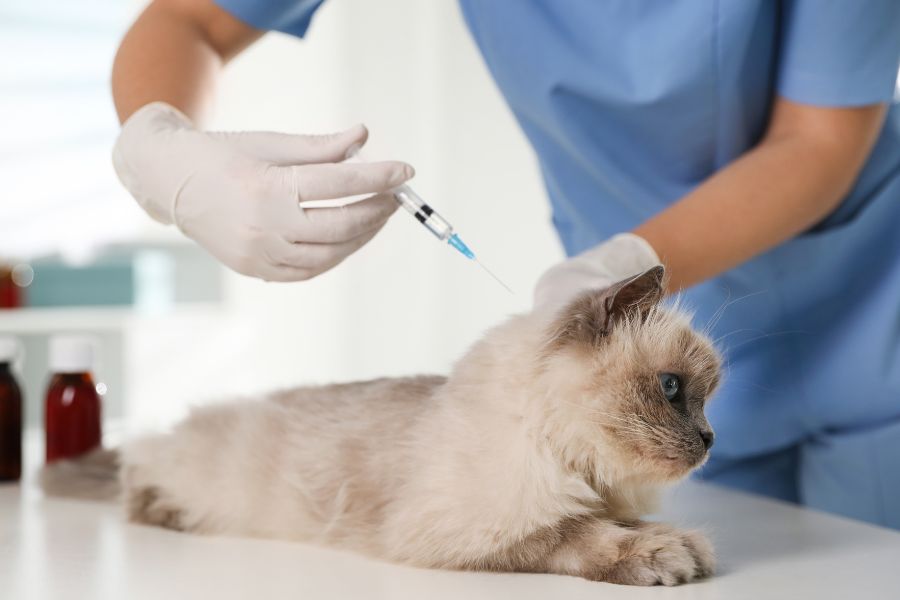
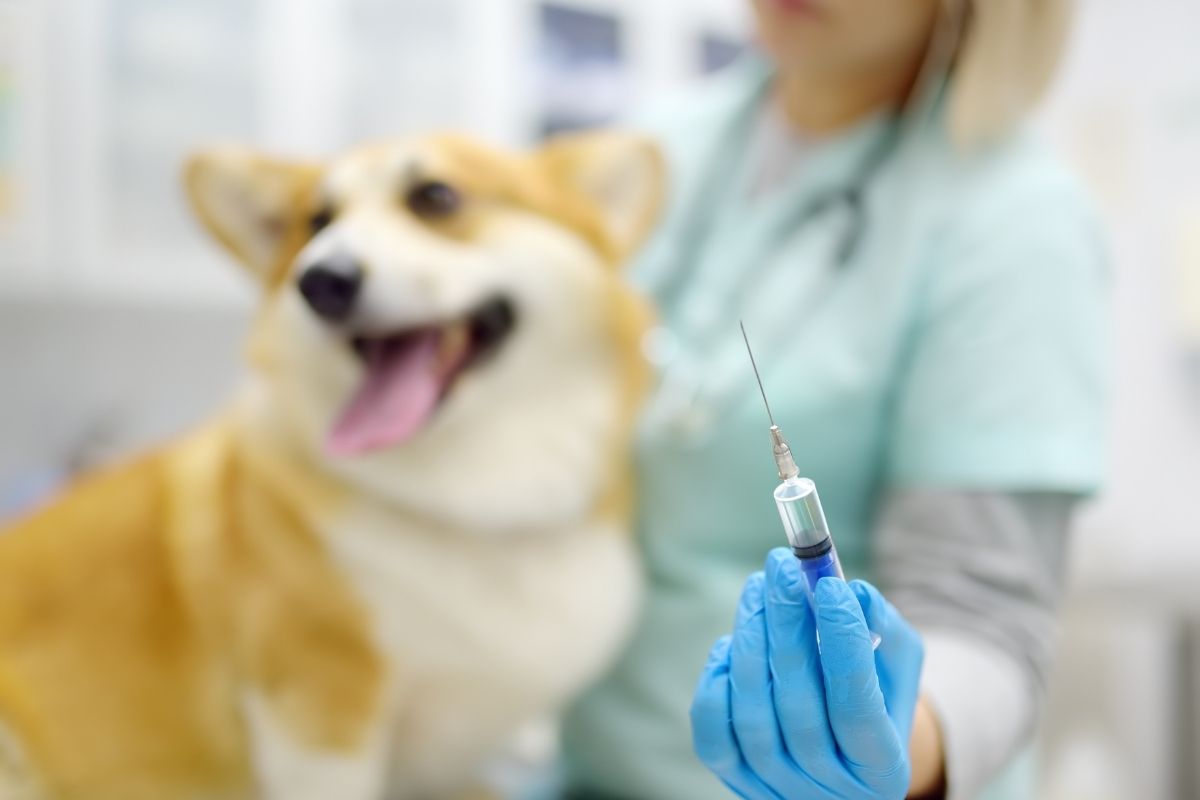
As a responsible pet parent, one of the most important steps you can take to ensure your pet’s long-term health and well-being is staying up to date with vaccinations. Just like in humans, vaccinations for your pet help prevent serious and potentially fatal diseases. This guide will walk you through the basics—why vaccines are important, what types your pet might need, and how to maintain a proper vaccination schedule.
Why Are Vaccinations Important?
Vaccines are designed to trigger your pet’s immune system to recognize and fight off specific viruses and bacteria. By exposing them to a small, harmless form of a disease-causing microorganism, vaccines help your pet build immunity without actually getting sick. This protection not only helps your individual pet but also contributes to public health by reducing the spread of infectious diseases.
Types of Vaccines: Core vs. Non-Core
Vaccinations for your pet fall into two main categories: core and non-core vaccines.
- Core Vaccines: These are essential for all pets, regardless of lifestyle or location. They protect against diseases that are widespread, highly contagious, or pose a serious risk to your pet’s life.
- Dogs: Rabies, Distemper, Parvovirus, and Adenovirus.
- Cats: Rabies, Feline Calicivirus, Feline Herpesvirus, and Panleukopenia.
- Non-Core Vaccines: These are optional and based on your pet’s lifestyle, environment, and exposure risk. Your veterinarian may recommend them depending on specific factors.
- Dogs: Bordetella (kennel cough), Lyme disease, Leptospirosis, and Canine Influenza.
- Cats: Feline Leukemia Virus (FeLV), Chlamydia, and Bordetella.
Vaccination Schedule: When to Vaccinate Your Pet
Proper timing is key when it comes to vaccinations. Puppies and kittens are especially vulnerable and require a series of shots during their early months.
Typical Puppy & Kitten Schedule:
- 6–8 weeks: First set of core vaccines
- 10–12 weeks: Booster shots
- 14–16 weeks: Final round of core vaccinations
- 1 year: Booster for core vaccines and any non-core, if needed
After the initial puppy or kitten series, adult pets will need regular booster shots—often every 1 to 3 years, depending on the vaccine type and local regulations.
Common Vaccination Myths
Myth: “My pet stays indoors, so they don’t need vaccines.”
Fact: Even indoor pets can be exposed to diseases through humans, other pets, or pests.
Myth: “Vaccines are dangerous.”
Fact: Vaccines undergo extensive testing and are overwhelmingly safe. The benefits greatly outweigh the minimal risks.
Myth: “Vaccinating once is enough.”
Fact: Immunity fades over time, making booster shots essential for long-term protection.
Vaccinations are a simple yet effective way to help your pet enjoy a long, healthy, and happy life. At Parkwood Animal Hospital & Boarding, we emphasize the importance of following a proper vaccination schedule to give your furry companion the best protection against preventable diseases. Regular check-ins with your veterinarian ensure your pet stays on track for a lifetime of good health.
Staying proactive with pet vaccinations in Friendswood not only safeguards your pet but also helps protect other animals and your entire household. When it comes to pet health, prevention is the smartest—and most compassionate—choice you can make.